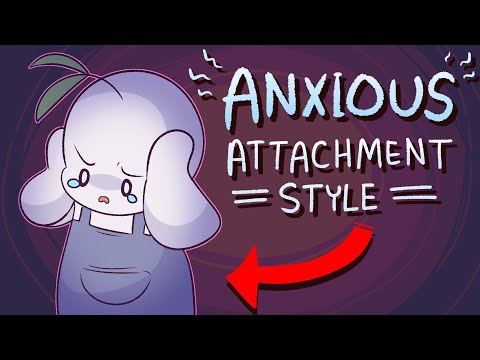
You ever feel like you’re stuck in a loop when it comes to relationships? Like, one minute you want to be close, and the next, you’re cold as ice?
Yeah, that’s a vibe for a lot of folks with an anxious resistant attachment style. It’s tricky. You crave connection but then freak out about it at the same time.
I mean, who hasn’t felt that push-pull thing? It’s confusing, right? So let’s chat about it. We’ll break this down together and figure out what it all means for you and your relationships. Sound good?
Understanding Anxious-Resistant Attachment Style in Adults: Strategies for Healthier Relationships
Anxious-resistant attachment style can feel like a rollercoaster ride, can’t it? It’s that constant push and pull in relationships, where you crave intimacy but also fear being hurt or abandoned. So, let’s break it down.
First off, people with this attachment style often find themselves feeling uneasy in relationships. You might experience intense worry about your partner’s feelings or commitment. It’s like your mind is always racing with “What if they don’t love me back? or “What if they leave? This anxiety can lead to clinginess—wanting to be close all the time—but also moments when you push your partner away out of fear.
This attachment style typically develops during childhood. If caregivers were inconsistent—sometimes nurturing and sometimes neglectful—it creates a confusing emotional environment. Imagine a child who reaches for a parent and sometimes gets comforting hugs, but other times receives nothing. It’s no wonder that as adults, those feelings of insecurity carry over into romantic relationships.
- Recognizing patterns: A key first step in changing this behavior is spotting the patterns when you’re feeling anxious. Are you texting your partner nonstop when they’re late? Or do you avoid discussing your feelings because you’re afraid of being rejected?
- Communicating openly: It helps to express your worries to your partner instead of bottling them up. Try saying something like, «Hey, I’ve been feeling really anxious about our relationship lately.» This allows them to understand where you’re coming from.
- Practicing self-soothing techniques: When anxiety hits hard, finding ways to calm yourself down can make a huge difference. Deep breathing exercises or mindfulness practices are great tools to have in your back pocket.
- Setting healthy boundaries: On one hand, it’s essential to avoid becoming overly reliant on someone else for emotional support. Set boundaries so that both partners have space to breathe and grow individually.
- Seeking professional help: Sometimes getting through this on your own is tough! A therapist can help unpack these feelings and guide you towards healthier relationship habits.
The thing is, building healthier relationships takes time and patience. But every little step counts! Each time you recognize an anxious thought and respond differently—like choosing trust over paranoia—you’re rebuilding not just how you relate to others but how you see yourself too.
Remember that you’re not alone in this journey; many folks struggle with anxious-resistant attachments. You’ve got the power to change the narrative! As tough as it is now, understanding these feelings means you’re already moving toward healthier connections.
Understanding and Supporting Anxious Resistant Attachment in Children: Practical Strategies for Parents
When it comes to kids, their emotional bonds with parents or caregivers can be a little tricky. One of the more challenging attachment styles is called **anxious-resistant attachment**. Basically, this means a kiddo is feeling torn between wanting closeness and fearing they won’t get that attention or love consistently. You might see them being clingy one minute and then pushing you away the next. It’s like they’re sending mixed signals, right?
First off, it helps to understand where this comes from. Kids with an anxious-resistant attachment often experienced inconsistent caregiving. Sometimes their needs were met, but other times they weren’t—leading to a confused little heart trying to figure out how to ask for what they need.
Supporting these children takes patience and understanding. Here are some practical ways you can help:
- Be Consistent: Try to be as predictable as possible in your responses. If you say you’ll play with them after dinner, make sure you follow through.
- Encourage Communication: Help your child express their feelings. Simple phrases like «I see you’re upset» can go a long way.
- Create Safe Spaces: Make sure they know it’s okay to feel anxious. Set aside time for calm activities like reading together or just chilling out in a quiet spot.
- Model Healthy Boundaries: Teach them that relationships have ups and downs. Show them it’s okay to both connect and need space sometimes.
- Validate Their Emotions: When your child is feeling anxious, acknowledge those feelings instead of dismissing them. You could say something like «I understand why you’re worried about that.»
Offering reassurance without smothering is key here! Like with my friend Sarah—her daughter Emma would cling to her during playdates but then act out when someone else tried to join in the fun. Sarah learned that by gently telling Emma she was safe and loved, things started changing for the better.
Remember, it’s all about balance; helping your little one feel safe while also encouraging independence is crucial for their emotional growth.
Finally, don’t hesitate to reach out for help if things get too overwhelming! Sometimes talking things through with a professional can provide new insights or tools for making these connections stronger.
The journey isn’t always smooth sailing, but with love and support, you can help your child navigate those choppy waters of anxious-resistant attachment!
Understanding Avoidant Attachment Style: Key Traits and Strategies for Healthier Relationships
Avoidant attachment style can feel like a tricky maze, especially when you’re trying to navigate relationships. If you or someone close to you identifies with this style, understanding its traits can seriously help in forming healthier connections. So, let’s break it down!
People with avoidant attachment often value their independence above everything else. It’s like they have a built-in alarm that goes off whenever they sense intimacy is coming. This might come from past experiences where reliance on others led to disappointment or pain. The result? They keep their distance, even when they crave connection.
Key traits of avoidant attachment include:
- Difficulty trusting others: You might notice a pattern of skepticism about people’s intentions.
- A tendency to withdraw emotionally: When things get too close for comfort, the instinct is often to retreat.
- You may minimize the importance of relationships: This makes it easier to justify keeping people at arm’s length.
- A strong preference for solitude: Alone time feels safer than being vulnerable.
- A fear of losing autonomy: The idea of being tied down can be terrifying.
You know that feeling when you’re at a party and everyone’s having a blast while you’re just standing by the snack table? That’s how it can feel for someone with an avoidant attachment style—surrounded but alone and unsure if they should really engage. It’s not that they don’t want connection; it’s more that the fear of getting hurt holds them back.
Now, let’s talk strategies! If you identify with this style—or if you’re trying to connect with someone who does—here are some ways to work towards healthier relationships:
- Practice vulnerability: Start small! Share little things about your day or your thoughts and feelings. It’s like dipping your toes into the water before jumping in.
- Sit with discomfort: If intimacy feels weird, acknowledge it instead of shutting down. Recognizing those feelings can be so powerful!
- Communicate openly: Let your partner know where you stand and what you’re feeling. It’s okay to admit you’ve got fears about getting close!
- Cultivate closeness gradually: It’s okay to take baby steps in building trust and bonding. Little moments add up!
- Seek professional support: A therapist can offer guidance tailored specifically for overcoming challenges linked with avoidant attachment.
If you’re navigating an anxious-resistant partner alongside your avoidant tendencies, communication becomes doubly important! They’ll likely want reassurance, while you might prefer space—finding middle ground is key here. Like balancing two scales, if one side tips too far, things get messy fast!
To wrap it up, understanding avoidant attachment style isn’t just about labeling yourself or someone else; it’s about finding pathways toward healthier connections and embracing the messy beauty of relationships. Remember, working through these patterns takes time and patience—but it’s absolutely worth it for deeper connections!
You know, navigating relationships can feel like sailing through choppy waters if you’ve got an anxious-resistant attachment style. It’s pretty common, actually, but that doesn’t make it any less overwhelming. It’s like being on a roller coaster—one minute you’re soaring high, feeling connected and loved, and the next, boom! That gut-wrenching anxiety kicks in.
I remember my friend Jess. She always had this deep fear of abandonment. Like, even when she was in a solid relationship, if her partner didn’t text back within minutes, she’d start spiraling. She’d think something was wrong or that they were losing interest. And I can’t tell you how many late-night calls I had to answer because she was convinced something bad was about to happen! Listening to her felt familiar because I’d had my own worries in relationships too.
Basically, people with this attachment style might cling a lot or push partners away at the same time. It’s confusing for everyone involved. On one hand, you crave closeness and reassurance; on the other hand, there’s that little voice telling you to be wary of getting too close. You feel simultaneously drawn to your partner and terrified they’ll hurt you somehow.
So what does this look like? Well, let’s say your partner suggests going out with friends instead of spending the evening together. Your mind races—“What if they’re falling out of love? Am I not enough?” That anxiety can kickstart all sorts of unhealthy behaviors: excessive texting or maybe even acting distant to protect yourself from potential hurt.
The trick is learning to recognize these patterns and being kind to yourself while navigating them. It’s all about building trust—not just with your partner but also within yourself. Starting small helps; maybe try sharing your feelings about separation honestly rather than bottling them up or acting out defensively.
It’s not a quick fix; it takes time and some real commitment to change those old habits. Therapy can be super helpful here; talking things out with someone who gets it can ease some of that emotional load too.
But above all else? Remember that you’re not alone in this journey—it’s messy for many people out there trying to find balance between love and vulnerability! So take a breath—you’ll figure it out little by little as you go along.