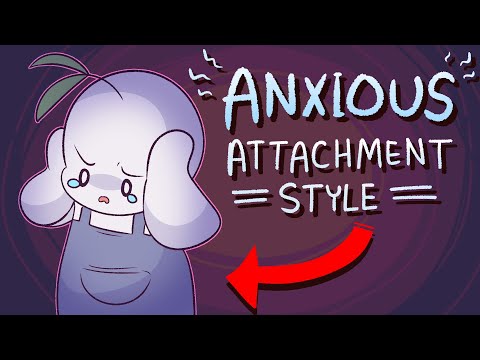
You know that feeling when you’re just not sure how to connect with someone? It’s like a weird dance—sometimes you wanna get close, but other times you just wanna pull back.
That’s kinda what it’s like with anxious-resistant attachment. It’s a mouthful, right? But trust me, it totally makes sense once you dig in a bit.
Picture this: you’re at a party, and there’s that one friend who fluctuates between being super clingy and then totally ghosting everyone. Yep, that can be how relationships feel at times for those dealing with this attachment style.
So, let’s chat about what it means to navigate the ups and downs of anxious-resistant attachment. We’ll uncover the feels behind it all and maybe even find some ways to make things feel a little more secure. Sound good?
Understanding and Supporting Children with Anxious Resistant Attachment: Effective Strategies for Parents
So, let’s chat about anxious-resistant attachment in kiddos. This type of attachment can really turn parenting into a bit of a roller coaster ride. Kids with this attachment style often seem clingy and can have a tough time feeling secure. Their little hearts are like sponges soaking up fear and anxiety from their surroundings.
Anxious-resistant attachment usually develops when caregivers are inconsistent. Sometimes they’re super present, and other times they might be distracted or unavailable. Imagine a child reaching for their parent for comfort, only to feel left hanging. It’s no wonder these kids might feel unsure about the world, right?
These kiddos might show their anxiety through clinginess or fussiness, especially with new experiences or people. They often worry about being abandoned, even if it seems like everything is okay. You know that feeling when you’re waiting for important news? That’s kind of what these children go through regularly.
Now, let’s get to some strategies that can help parents support these little ones:
- Consistent Routines: Kids thrive on predictability! Establishing daily routines can help them feel safer and more secure. It could be as simple as having regular meal times or bedtime rituals.
- Reassuring Presence: Make sure to give lots of affection and verbal reassurances. Even just saying «I’m here,» when they seem anxious can work wonders!
- Create a Safe Space: Having a designated cozy spot in your home where the child knows they can unwind helps them to feel secure. Fill it with soft pillows or their favorite stuffed animals.
- Encourage Expression: Help them express their feelings! You could use drawing or storytelling to understand what they’re going through inside their heads.
- Avoid Overprotectiveness: While it’s natural to want to shield your child from everything scary, showing them that challenges can be faced will build resilience over time.
A good example? When your kiddo is hesitant about playing with others, instead of forcing them into playdates right away, maybe start with some one-on-one time first. Gradually introduce them to peers at their own pace so they don’t feel overwhelmed.
If things ever feel too complicated—as much as you want to help—don’t hesitate to seek professional guidance. A therapist specializing in attachment issues can provide tailored strategies and support that fits your family dynamic.
The thing is, building healthy connections takes time! Be patient with both yourself and your child as you navigate this journey together. Remember that love and understanding goes a long way in helping kids with anxious-resistant attachment find their feet in the world.
This path may not be easy all the time, but even small steps count for something significant in helping your little one thrive!
Transforming Relationships: A Guide to Healing Anxious Attachment Styles
Transforming Relationships: Healing Anxious Attachment Styles
When it comes to relationships, understanding attachment styles can be a game changer. If you find yourself feeling clingy, worried about your partner leaving, or constantly seeking reassurance, you might be dealing with an *anxious attachment style*. It’s kind of like being on a rollercoaster of emotions—exhilarating but also terrifying.
Let’s break it down a bit. Anxious attachment often stems from early experiences—think back to your childhood, maybe you had caregivers who were inconsistent with their affection. One moment they were there for you; the next, they weren’t. This inconsistency can leave you craving love and support while also feeling insecure about it.
So, how do we navigate these choppy waters? Here are some ways to start transforming those anxious patterns:
- Self-awareness: Just recognizing that you have an anxious attachment style is a huge first step. It’s like shining a flashlight in the dark—you’re no longer stumbling around blindly.
- Emotional Regulation: Learning to manage your feelings is essential. When anxiety strikes, take a breather. You could try grounding exercises, like focusing on your breath or counting objects around you.
- Open Communication: Tell your partner how you feel. If something’s bothering you, just say it! A simple conversation can clear up misunderstandings and strengthen that bond.
- Set Boundaries: It might sound counterintuitive, but setting boundaries can help create safety in relationships. You don’t want to smother your partner; give them space when they need it.
- Seek Professional Help: Therapy isn’t just for crises; it can be super helpful for understanding your patterns and breaking the cycle. A therapist can offer tools that are tailored just for you!
Let’s throw in an example here—a friend of mine used to freak out every time her boyfriend didn’t text back immediately. She would spiral into “What did I do wrong?” or “Is he losing interest?” Before she knew it, she’d sent four messages in a row asking if he was okay! Once she started acknowledging her anxiety and talking openly with him about her feelings, things shifted—he reassured her that he was busy but still cared.
Building secure relationships takes time—it’s not gonna happen overnight. But each small step counts!
Finally, remember that healing isn’t linear—some days will feel better than others. The goal is progress, not perfection! By working through these anxious tendencies together with your partner and perhaps with professional support, you’re setting yourself up for healthier connections down the line.
So go ahead and keep pushing forward; you’ve got this!
Overcoming Anxious Attachment in Friendships: Essential Strategies for Healthier Connections
So, let’s chat about anxious attachment in friendships. If you’ve ever felt clingy or worried your friends might drift away, you might relate to what we’re talking about. Anxious attachment can make relationships feel like a rollercoaster, right? You want closeness but also fear being rejected. It’s a tough spot to be in!
Understanding Your Attachment Style is the first step. Know that anxious attachment often comes from childhood experiences. Maybe you had caregivers who were inconsistent in their responses. One minute they were all in, and the next they seemed distant. This can cause you to feel like you need to work extra hard to keep your friends close.
Next, identify your triggers. Think about situations that make you feel anxious regarding friendships. Is it when a friend takes too long to reply? Or when they make plans without you? Recognizing these triggers can help you not overreact or misinterpret their actions.
- Communicate openly. If you’re feeling insecure, talk about it! Let your friends know how certain things make you feel or why you’re worried. This could sound like saying, “Hey, I noticed we haven’t hung out in a bit and I miss our time together.” Your honesty can deepen connections.
- Create healthy boundaries. It’s easy to fall into the trap of needing constant reassurance or attention from friends. Try not to bombard them with messages if they don’t reply right away. Give them space; they’re not going anywhere!
- Practice self-soothing techniques. When anxiety hits, find calming strategies that work for you—like deep breathing or journaling—so that when those feelings come up, you’re ready with tools instead of relying solely on your friends for comfort.
- Focus on building self-esteem. Remember, your worth isn’t tied to how others treat you! Engage in activities that boost your confidence—be it hobbies or achievements—and remind yourself of the unique qualities that make you interesting and lovable.
If you’ve ever felt like a friendship was crumbling because of anxiety, think back to those moments of connection too—a shared laugh or a deep conversation can really put things into perspective! Strengthening those memories helps balance out fears.
Also, surround yourself with supportive people. Friends who understand and appreciate your quirks will lessen anxiety’s grip on these relationships. Look for folks who are encouraging and responsive; this makes it easier to navigate those pesky feelings when they arise.
This process takes time; no one becomes secure overnight! Remember: It’s okay to ask for help along the way—whether it’s from trusted pals or even a therapist who gets what anxious attachment is all about.
The thing is, working through anxieties related to friendships can lead to deeper connections that are totally fulfilling and healthier overall! So hang tight; each small step counts toward more solid ground in your social life!
You know, attachment styles can really mess with our relationships, and anxious-resistant attachment is one of those tricky ones. Imagine feeling like you need reassurance from others all the time, but at the same time pushing them away when they get too close. It’s like being on a seesaw that won’t balance out.
I remember a friend of mine who struggled with this. She’d often freak out if her partner didn’t text her back immediately, convinced he was losing interest, but then she’d act all distant the moment he tried to comfort her. It wasn’t fun to watch, honestly. She wanted connection so badly but felt scared and vulnerable when it was right there in front of her.
Navigating this kind of attachment can feel like walking through a maze blindfolded. One minute you’re desperate for emotional closeness, and the next you’re shoving people away because you fear they’ll hurt you or leave you hanging. You might find yourself constantly questioning how much love or support you deserve—it’s exhausting.
The thing is, getting a handle on anxious-resistant attachment often requires self-reflection and maybe some support from therapy. It’s about understanding where those feelings come from—often rooted in early experiences with caregivers or significant relationships—and figuring out healthier ways to connect without that fear dominating everything.
So yeah, if you or someone you know is dealing with these challenges, just know there’s hope! Building secure attachments takes time and patience, no rush though. Learning to communicate needs without the underlying panic can change everything for the better. Just take it one step at a time; you’re not alone in this journey!