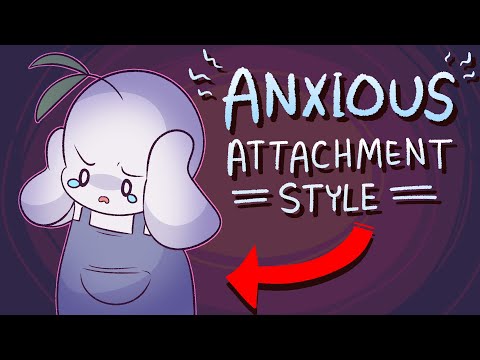
You know that feeling when you really like someone, but your mind just won’t chill? Yeah, that’s anxious secure attachment for you.
It’s super common, yet it can feel so confusing. One minute you’re all in, and the next you’re second-guessing everything.
Maybe you’re driving yourself crazy over a text they sent—or didn’t send. Or perhaps you’re rehashing every little moment trying to figure out if they care as much as you do.
So let’s unpack this together! Seriously, navigating anxious secure attachment doesn’t have to feel like a rollercoaster ride. We’ll explore what it means and how to find your balance in relationships. Sound good?
Understanding Anxious Secure Attachment in Child-Parent Relationships: A Guide to Nurturing Emotional Wellbeing
So, let’s talk about **anxious secure attachment** in child-parent relationships. It sounds pretty complex, but it’s not that hard to understand once you break it down. Basically, attachment refers to the emotional bond that develops between a child and their caregiver, and it plays a crucial role in how we connect with others as adults.
When we say “anxious secure,” it might feel a bit contradictory. But here’s the thing: kids can feel anxious about being separated from their caregivers, yet still have a strong bond with them. This type of attachment often stems from inconsistent responses from parents. One moment they might be super nurturing, and the next they could be distracted or unavailable. Over time, the child learns to navigate this unpredictability.
Now, imagine a kid named Alex who has anxious secure attachment. Sometimes when his mom drops him off at school, he feels nervous and clings to her leg. But when she reassures him—saying she’ll be back—he tries to stay calm because he knows deep down that she loves him and will return. He believes in her love but struggles with those anxious feelings.
Here are some key things to keep in mind about **nurturing emotional wellbeing** in these situations:
- **Open Communication:** It’s super important for parents to keep talking with their kids about how they feel. Make space for those emotions! If Alex expresses worry about school, listen attentively without rushing to solve his problem.
- **Consistency is Key:** Even though some ups and downs are natural, try to keep routines predictable when possible. Alex will feel more secure if he knows what to expect each day.
- **Model Healthy Coping:** Show your kid how you handle anxiety or stress. If you’re having a tough day but manage it well—maybe you take a few deep breaths or talk through what’s bothering you—it helps them learn ways to cope.
- **Encourage Independence:** While it’s great for kids like Alex to seek comfort from parents, promoting small acts of independence won’t hurt either. For example, letting him choose activities during playtime builds confidence.
- **Validate Their Emotions:** It’s essential for parents to acknowledge their child’s feelings without judgment. Whether Alex is excited or worried about something, saying “I get how you feel” really helps build trust.
The goal here is balance: nurturing that secure connection while also helping children manage their anxiety effectively.
You know what? It’s okay for caregivers sometimes to show vulnerability too! Parents aren’t robots—they get stressed out just like anyone else does! That authenticity can actually strengthen the bond between parent and child.
In summary, understanding anxious secure attachment allows us all—parents and children alike—to navigate emotions better together. By fostering open communication alongside stability and independence skills, we can help our little ones thrive emotionally as they grow up into resilient adults ready for healthy relationships.
Effective Strategies for Managing a Relationship with an Anxious Attachment Partner
Relationships can get a little tricky, especially if your partner has an anxious attachment style. You know, that kind of partner who’s often worried about being abandoned or not being loved enough. It’s all about managing those feelings and creating a safer emotional space for both of you.
First off, understanding what anxious attachment really means is key. People with this style often crave closeness but fear that their partner might not feel the same way. They might need extra reassurance and often worry about how you feel about them. This can lead to some intense moments of anxiety, which can spill into the relationship if you’re not careful.
A good starting point is open communication. Seriously. If your partner says something like “I’m just feeling insecure today,” it’s an invitation for you to ask questions. You could say, “What’s making you feel this way?” or “How can I help?” It’s all about letting them know that they’re safe in expressing their feelings.
Another effective strategy? Reassurance. For someone with anxious attachment, hearing affirmations like “I care about you” or “You mean so much to me” goes a long way. This isn’t just empty flattery; it helps them feel secure in your relationship. Just think of these little check-ins as emotional life jackets—they provide comfort when the waves of insecurity rise up.
Also, try to recognize patterns in your partner’s behavior when they become anxious. For instance, do they tend to text more frequently for reassurance? If so, maybe agree on times during the day when you’ll check in with each other—like sending a quick «thinking of you» message every afternoon. It creates predictability and helps ease some of that anxiety.
Now let’s address conflict—because let’s be real; it happens in every relationship! When disagreements arise, stay calm and avoid judgmental comments that could make them even more anxious. Instead of saying something harsh like “You’re overreacting,” try framing it gently: “I understand why you’re feeling upset right now.” This small shift can change the tone significantly and show empathy rather than defensiveness.
Setting boundaries is also super important. It might sound counterintuitive because boundaries can sometimes seem like distance—especially for someone who craves closeness—but healthy boundaries actually offer structure and security in the long run. Share what feels comfortable for you while encouraging your partner to do the same.
Lastly, don’t forget to focus on self-care as well! Supporting someone with anxious attachment can be demanding sometimes—make sure you’re taking time to recharge too. Engage in hobbies or relax with friends; it’ll help keep your own emotional state balanced, which is crucial when navigating challenges together.
To wrap this up (not that we’re done talking!), managing a relationship with an anxious attachment partner requires patience, understanding, and a whole lot of love. By fostering open communication and offering regular reassurance while also setting healthy boundaries for yourself, you create a solid framework where both partners can grow emotionally safe together. So remember: it’s all about building trust one step at a time!
Understanding Anxious Attachment Style: Navigating Relationships with Confidence
Understanding anxious attachment style can feel like trying to unravel a tricky knot in your favorite necklace. It’s complex, but with some patience, you can navigate through it. So, let’s break it down in a way that makes sense.
Anxious attachment is one of those styles you might find yourself in if you often worry about your partner’s love for you. You might feel clingy or have this deep-seated fear of abandonment. It’s like living under constant pressure, waiting for the other shoe to drop. You know?
People with this attachment style usually had caregivers who were inconsistent—sometimes really loving and attentive, other times distant. This creates a kind of emotional whiplash that leaves them craving reassurance in their adult relationships.
Now, here’s where it gets interesting: someone with an anxious attachment style might find themselves overanalyzing every text or call from their partner. You know those moments when you send a message and then just stare at your phone like it holds all the answers? Yup, that’s classic anxious behavior.
The thing is, feeling anxious doesn’t mean you’re doomed to fail at relationships! There are ways to build more secure connections and navigate love with confidence.
- Recognize Your Triggers: Understanding what sparks your anxiety can be super helpful. For example, if your partner is late without texting, try not to jump to worst-case scenarios.
- Communicate Openly: Talk about your feelings! It sounds simple, but being honest about your fears can help your partner understand where you’re coming from.
- Practice Self-Soothing: When anxiety kicks in, take a moment for yourself. Deep breaths or even physical activities might help ground you again.
- Avoid Overthinking: When those spiraling thoughts start creeping in, challenge them! Ask yourself if there’s real evidence behind those worries.
And here comes the cool part: with effort and awareness, someone with an anxious attachment style can move toward more secure patterns in relationships! Think of someone who was nervous before big meetings but learned how to prepare and breathe deeply beforehand; it’s similar!
It might sound easier said than done—believe me, I get it—but being patient with yourself goes such a long way. Remember that every relationship has bumps along the road; it’s all about learning together.
If you’re working on navigating an anxious attachment style while forging meaningful connections—even amidst the bumps—just know that progress takes time. Finding a therapist could also be a game-changer; having someone guide you through these feelings can make all the difference.
In closing, recognizing that anxious attachment isn’t a dead-end but rather an opportunity for growth is the key here! You’re not alone on this journey; many others share similar experiences as they learn to build secure and loving relationships too!
You know, relationships can be super tricky — like, one minute you’re feeling all warm and fuzzy, and the next, bam, that anxiety creeps in. If you’ve ever felt a tug-of-war between wanting to get close to someone but also feeling anxious about it, you might be dealing with what’s called an anxious secure attachment. Yeah, it sounds a bit confusing!
Picture this: you’re on a date with someone you really like. Everything’s going well, and then suddenly, your mind starts racing. “What if they don’t text back?” or “Am I being too clingy?” Those worries can hit hard. It’s like your heart is saying one thing while your brain is sending panic signals. Seriously though, I’ve been there.
See, people with an anxious secure attachment tend to crave closeness but are also a bit on edge when it comes to emotional intimacy. It’s not that they don’t want love; it’s more like they’ve got this internal alarm going off whenever things feel too cozy. You might find yourself second-guessing your partner’s feelings or worrying they’ll pull away.
But the thing is — this doesn’t have to be the end of the world for your relationships. It just means you’ve gotta work on finding that balance between connection and reassurance. Open communication can be a game-changer! If something feels off or makes you anxious, talking about it can really help ease those jitters.
I remember chatting with a friend who used to spiral anytime her boyfriend took time to reply to her text messages. She would think he was mad at her or losing interest just because he was busy with work or hanging out with friends. Once she got better at expressing those feelings instead of letting them bubble up inside — wow! Their relationship flourished.
So yeah, if you find yourself swirling in these feelings of anxiousness while wanting closeness too — you’re not alone! Recognizing this dynamic is already a huge step forward! Try reaching out when you’re feeling uneasy instead of bottling everything up; it’s kind of freeing when you let someone in on what’s really going on in your head.
Navigating these attachment styles isn’t easy but it’s totally doable if we just allow ourselves to be vulnerable sometimes. After all, connections are built on trust and understanding — even in the midst of anxiety!