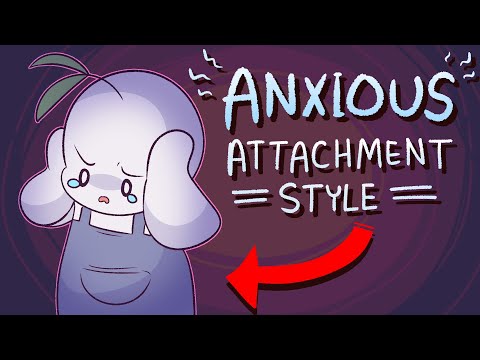
So, anxious attachment style, huh? It’s one of those things that can really shake up your relationships. You’ve probably felt it—like, that constant worry that someone might not text you back or maybe they’re losing interest.
You know, it’s not just about being clingy or needing validation. It runs deeper than that. Imagine feeling like you’re on a rollercoaster ride, with all those ups and downs tied to your connections with others.
It can feel pretty exhausting sometimes, right? I mean, wanting closeness but freaking out about it at the same time. You’re definitely not alone in this struggle!
Let’s talk about it—what it feels like and how to navigate those choppy waters. Sound good?
Understanding and Overcoming Anxious Attachment Style: A Comprehensive PDF Guide
So, let’s talk about the concept of **anxious attachment style**. If you’ve ever felt super worried about your relationships or found yourself constantly seeking reassurance from your partner, you might be nodding along. Basically, this attachment style develops in childhood when a kid’s caregiver is unpredictably available or sometimes emotionally distant. It’s like if you were always left guessing how much love and support you’d get. You follow me?
Now, here’s the thing: people with anxious attachment often feel insecure in their relationships and worry about being abandoned. They crave closeness but might find themselves overthinking things. You might feel like you’re on an emotional rollercoaster—one moment everything feels golden, and the next you’re stressing out over a missed text message!
Some common traits of anxious attachment include:
- Constantly seeking validation from loved ones.
- Feeling overwhelmed by fear of rejection.
- Difficulty trusting others, even close friends or partners.
- A tendency to dwell on negative interactions or potential conflicts.
It can be exhausting, honestly. A friend of mine once shared that whenever she got into a new relationship, she would replay every conversation in her head for days trying to decipher if something was “off.” It put so much strain on her—and it felt totally unnecessary.
But hey, the good news is that you absolutely can work through this anxious attachment stuff! Here are some ways to tackle it:
- Self-awareness: Recognizing your own patterns can help. Take some time to reflect on what triggers your anxiety in relationships.
- Open communication: Talk to your partner about what you’re feeling. Sharing these worries can lead to deeper connections instead of creating distance.
- Mindfulness: Practicing mindfulness can ground you when those anxious feelings creep in. Simple breathing exercises can calm that racing heart!
- Therapy: Working with a therapist is super beneficial for understanding and reshaping deep-seated beliefs about relationships.
Navigating through life with an anxious attachment style is no walk in the park, but it doesn’t have to dictate your happiness or ability to connect with others deeply.
Overcoming these patterns takes time and patience—like learning any new skill—but seeing progress can feel empowering. Just remember that it’s okay to ask for help along the way! You’re not alone on this journey; many folks are working through similar feelings too.
Embracing emotional vulnerability while building healthier attachments may feel daunting at first, but with practice and support, you might find stronger bonds developing all around you!
Understanding Avoidant Attachment Style: Signs, Causes, and How to Foster Healthier Relationships
Avoidant attachment style can be a bit tricky, both for the person experiencing it and those around them. In a nutshell, this style often leads people to keep their distance in relationships. They might come off as independent, but what’s really happening beneath the surface? Let’s break it down.
Signs of Avoidant Attachment Style
First off, recognizing the signs is key. If you or someone you know tends to:
These signs can show up in various ways. Imagine you’re trying to connect with a friend who always changes the subject when things get personal. You feel frustrated because you sense they care but can’t seem to let anyone in.
Causes of Avoidant Attachment Style
So, where does all this stem from? Usually, it’s about early experiences—often rooted in childhood. Kids learn how to relate based on their caregivers’ responses.
Think back to times you felt shunned for showing feelings—like being told not to cry when upset. It plants seeds that sprout into avoidance later in life.
Navigating Avoidant Attachment in Relationships
Here’s where things get interesting! If you’re trying your best with someone who shows avoidant tendencies—or maybe you identify with it yourself—there are ways forward.
First off, **communication** is essential: Talk about feelings openly and gently. Sometimes just going slow helps ease those defenses without triggering an immediate retreat.
Then, try **setting boundaries**: People with avoidant attachment appreciate space; giving them room while still being there can work wonders.
Also consider **encouraging vulnerability**: It might sound daunting, but creating safe spaces for sharing thoughts and feelings is key. Think of how simply asking someone how their day was can open doors!
Lastly, patience is vital: Change won’t happen overnight—it took years for those coping mechanisms to form! So approach your interactions with understanding rather than frustration.
To sum it up: avoiding closeness comes from early experiences that shape future relationships. Yet navigating these waters doesn’t have to be impossible with the right mindset and tools in place! Be kind and patient as you all figure out what works best together—because at the end of the day, we all crave genuine connection!
Understanding and Supporting Your Anxious Attachment Partner: Effective Strategies for a Healthier Relationship
So, you’re in a relationship with someone who has an anxious attachment style. It can feel like walking on eggshells sometimes, right? You want to be supportive but don’t quite know how to navigate their worries or fears of abandonment. Understanding what they go through can really help you both have a better connection.
First off, it’s important to know that people with an anxious attachment style often seek constant reassurance and validation. Their minds can race with thoughts of whether you’ll leave them or if they’re doing something wrong. This anxiety isn’t about you; it’s a deeply ingrained emotional response. A friend of mine once dated someone like this. She would often ask him if he still loved her, even after he told her just hours before that he did! It’s exhausting on both sides.
Here are some ways you can support your partner:
- Communicate openly: Encourage conversations about feelings without judgment. Create a safe space where your partner feels they can share their fears without worrying about being criticized.
- Reassure them regularly: Short and simple words of affirmation go a long way. A quick “I’m here for you” or “You mean so much to me” can really soothe those anxious thoughts.
- Be consistent: Try to keep your promises and stick to your routines. The more reliable you are in small things, the less anxious they’ll feel about potential abandonment.
- Encourage independence: Help them engage in hobbies or interests outside the relationship. It can be tricky since they might want your company all the time, but it helps build self-confidence.
- Set boundaries gently: Sometimes their need for reassurance can be overwhelming. Let them know when you need space while also reassuring them that it doesn’t mean anything bad.
It’s also key to remember that they might struggle with jealousy or fear of losing you even if there isn’t any real threat. This could manifest as clinginess or frequent checking in about where you are and who you’re with—it’s tough!
During my buddy’s relationship, he learned the hard way how vital patience was. When his girlfriend got nervous because he was out with friends, instead of getting upset, he’d simply text her updates—“Hey! Just grabbing dinner!” That little gesture made a big difference.
Also, consider encouraging professional help if their anxiety really interferes with daily life—therapy could really help them work through those deep-seated feelings at their own pace.
Supporting an anxious attachment partner isn’t always easy; there will be ups and downs along the way. But by being understanding and compassionate while also caring for your own needs, you’re nurturing a space for growth—both theirs and yours! Seriously, relationships take work from both sides; it’s all part of the journey together!
Navigating life with an anxious attachment style can feel like you’re walking a tightrope, you know? One minute you’re fine, but the next, your heart starts racing because you’re worried about losing someone or that they don’t really love you. It’s a rollercoaster ride of emotions, and let me tell you, it can be exhausting.
I remember a friend of mine who often found herself stuck in this cycle. She’d text her partner constantly, feeling like if she didn’t hear back right away, it meant something was wrong. Like one time they went to a concert together, and she spent half the night worrying he’d get bored and leave her. Instead of enjoying the music and atmosphere, she was wrapped up in her fears. It broke my heart to see her miss out on beautiful moments just because her mind was racing with anxiety.
The thing about anxious attachment is that it usually stems from relationships when we were younger—like maybe our caregivers were inconsistent with their affection or support. So now, it’s like we carry that uncertainty into our adult relationships. You might find yourself needing reassurance constantly or getting overly clingy when things feel off-kilter. Honestly? It’s tough to admit how much this can impact your life.
But here’s the silver lining: recognizing this pattern is the first step toward change! You’ve got to acknowledge those feelings and thoughts without judgment. Therapy can be a great place for exploring this stuff further; talking to someone helps untangle those thoughts so you don’t feel so overwhelmed. Plus, practicing self-soothing techniques—like deep breathing or grounding exercises—can make a big difference.
You know what else helps? Open communication with your partner! When they understand where you’re coming from—that anxiety doesn’t mean there’s something wrong with them—they can help offer reassurance without feeling smothered by your needs.
It’s not easy by any means; sometimes it feels like you’re battling against an invisible foe inside yourself. But every little step counts! So take it slow and give yourself grace as you work through these challenges. Remember that it’s okay to have needs and want connection; the key is approaching those needs without getting lost in fear and anxiety. You’re not alone in this journey; many people are navigating similar waters!