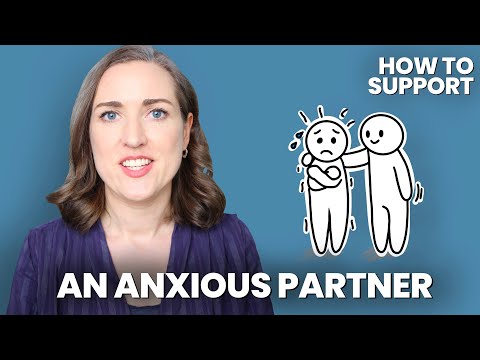
So, you’re dating someone with an anxious attachment style, huh? That can be a wild ride!
You know, it’s like riding a rollercoaster. It’s exciting and scary all at once. You might find yourself constantly trying to reassure them, which can feel both exhausting and confusing.
Maybe they get super clingy at times, or you just have to tiptoe around certain topics. Seriously, it’s a whole thing. But don’t worry! You’re not alone in this.
Navigating these feelings and dynamics can be tricky, but it’s totally doable. So let’s chat about how to make sense of it all—like friends do.
Navigating Love: Strategies for Avoidants to Support Anxiously Attached Partners
Navigating love can be a real rollercoaster, especially when you’ve got two different attachment styles in the mix. If you’re someone with an avoidant attachment style, supporting your anxiously attached partner can be a whole situation. So let’s break it down a bit.
Understanding Attachment Styles: First off, it’s crucial to understand what these attachment styles really mean. Avoidants tend to value their independence and often feel overwhelmed by too much closeness. Anxiously attached folks, on the other hand, crave that closeness and often worry about being abandoned or not being enough for their partner. Picture your friend Sarah: she’s always texting her boyfriend for reassurance because she fears he might ditch her. That’s classic anxious attachment.
Communication is Key: Open and honest communication can be a lifesaver here. You don’t have to solve every problem on your own, but making an effort to check in can help ease tension. Try saying something like, “Hey, I know I might seem distant sometimes, but I really care about you and want to understand how you’re feeling.” It shows you’re aware of their needs without compromising your own space too much.
Set Healthy Boundaries: This may sound counterintuitive, but setting boundaries doesn’t mean shutting them out. It’s more about defining what feels comfortable for both of you. Let’s say you need some time alone after work while they want to talk things through right away. Communicate that need! You could say something like, “I need an hour to decompress after my day; can we chat then?” This way, they feel valued without overwhelming you.
Validation Matters: For someone who is anxiously attached, feeling validated can make a world of difference. Even if your inclination is to pull away when they express their worries—fight that urge! Simple phrases like “I get why you’re feeling this way” or “That sounds really tough” go a long way in making them feel heard.
Practice Patience: Look, relationships take work—especially if you have different needs! Patience is key here because anxiety doesn’t magically disappear overnight; it takes time to build trust. Maybe try doing fun activities together that aren’t too intense but still help strengthen your bond—like cooking dinner or going for walks together.
Acknowledge Triggers: Awareness of what triggers your partner’s anxiety can help both of you navigate those tricky moments better. If they get anxious when there’s silence between texts or during conversations about the future, talk about those triggers openly without judgment.
Encourage Self-Care: Encourage each other to practice self-care routines outside of the relationship too! Engaging in hobbies or spending time with friends fosters independence while simultaneously showing that both of you can thrive individually and together.
So yeah! Navigating love with different attachments isn’t easy—it involves balancing your needs with theirs while maintaining respect for each other’s feelings. But with some care and understanding—you guys are gonna tackle this together just fine!
Understanding and Supporting Your Anxious Attachment Partner: Insights from Reddit Discussions
Navigating a relationship with someone who has an anxious attachment style can be super challenging, but you can totally make it work. People with this attachment style often crave closeness and reassurance. They might worry about being abandoned or not being loved enough, which can lead to anxiety in the relationship. Sounds familiar? You’re not alone!
Understanding their triggers is key. For instance, if your partner feels ignored or senses a shift in your mood, they might spiral into worry. Maybe you didn’t respond to a text right away or seemed distracted during a conversation. These little moments can feel huge for them and might trigger their anxiety.
Here’s where it gets important: communication. Keeping the lines open is vital for anyone in a relationship, but especially for an anxiously attached partner. You might want to let them know when you’re busy or feeling off, just to help calm those racing thoughts. For example, if you can’t talk right then, saying something like “I’ll get back to you in an hour” can work wonders.
Another thing that pops up often in discussions on Reddit is reassurance. Anxious partners often need extra support when it comes to expressing love and commitment. So don’t shy away from verbal affirmations! Telling them how much they mean to you or reminding them of your love can be super comforting. It doesn’t have to be grand gestures; just little reminders throughout the day matter.
Then there’s the issue of boundaries. It’s important for both partners, really! Your anxious partner might sometimes seek constant validation or reassurance, which could feel overwhelming over time. Set clear yet gentle boundaries together about what feels comfortable for both of you.
And let’s not forget about self-care! Supporting your partner doesn’t mean neglecting yourself. Engaging in your own hobbies or spending time with friends allows you to recharge and prevents feelings of burnout in the relationship.
Lastly, remember that patience is crucial. Attachment styles aren’t overnight fixes; they take time and understanding to navigate together. You’ll probably mess up sometimes—and that’s okay! Just keep talking things out as they come up.
So yeah, supporting an anxious attachment partner involves understanding their needs while also taking care of yourself too—kind of like walking a tightrope at times! With compassion and good communication, it’s totally possible to create a loving space where both of you can thrive together.
Understanding Anxious Attachment: Exploring Protest Behaviors and Their Impact on Relationships
Anxious attachment can feel a bit like being on a roller coaster, don’t you think? You’re excited but also terrified. People with this attachment style often worry about their partner’s love and availability. It’s like having a constant itch of insecurity.
So, what are protest behaviors? These are the actions someone with anxious attachment might take when they feel insecure in a relationship. It could be anything from sending texts that seem a bit needy to pulling away and acting distant. You know, it’s a way to get attention or reassurance when they feel like things are slipping away.
Let me give you an example. Imagine Sarah and Jake. Sometimes, when Jake is busy with work and doesn’t text Sarah back right away, she starts feeling anxious. She might flood his phone with messages or even post something on social media to get his attention. That’s her protest behavior kicking in! She just wants him to show he cares.
Now let’s talk about the impact these behaviors can have on relationships:
- Increased Tension: When one partner constantly seeks reassurance, it can put pressure on the other person, making them feel overwhelmed.
- Miscommunication: The anxious partner’s attempts to pull for attention might be misinterpreted as being controlling or needy.
- Lack of Trust: If these behaviors happen often, it can create distrust within the relationship, leading to more arguments and misunderstandings.
- Cyclical Patterns: This creates a cycle where one partner feels suffocated while the other feels neglected — not fun for either side!
What you’ve got here is basically an emotional tug-of-war. If one person pulls too hard on the string of connection, it can snap back in ways that hurt both partners.
Now, how do couples navigate this? Well, communication is key. Openly discussing feelings and concerns can help soothe those anxieties before they spiral out of control. Also, working together on building trust through reassurance helps strengthen the bond.
Also important: practice patience! You know that saying “Rome wasn’t built in a day”? Building understanding in relationships takes time too.
The thing is—if you find yourself recognizing these patterns (whether it’s you or your partner), it’s totally okay to seek help from a therapist who gets attachment styles. They can guide you through understanding each other better and developing healthier ways of connecting.
In short, anxious attachment doesn’t have to dictate how your relationships go down. With some effort and compassion for each other’s feelings, things can improve significantly!
Navigating relationships can be a bit of a rollercoaster, especially when your partner has an anxious attachment style. You know, that feeling when you just can’t shake off those nagging worries about whether they’re okay or if you’re meeting their needs? It can sometimes feel overwhelming, and honestly, it might even catch you off guard at first.
So, picture this: you’re at dinner with your partner. Everything’s going smoothly until they suddenly seem distant. Their mind’s racing. You try to spark a conversation, but it feels like they’re not really there. You might start questioning yourself: “Did I say something wrong?” or “Are they upset with me?” This is classic anxious attachment in action! Your partner’s struggle might stem from their past experiences—maybe they faced inconsistency or abandonment growing up. That makes them look for reassurance from you, often through clinginess or worry.
It’s tough! I remember a friend of mine who was navigating this kind of relationship. His girlfriend would often text him during the day—like, the minute he didn’t respond immediately, she’d spiral into anxiety. Some days, it felt like he was walking on eggshells just to keep her feeling secure. What he learned over time was that communication was key. Just saying “Hey, I’m here for you!” really helped ease her worries.
There are some things you could do if you’re in a similar spot. First off, patience is huge. Try to understand where they’re coming from and give them space when needed but also be clear about your own boundaries. Sometimes it’s about finding that balance between being supportive and ensuring your needs are met too.
And seriously? Don’t underestimate the power of open conversations! Share what both of you need without being confrontational; it goes such a long way in easing tensions and building trust over time.
In the end, relationships are all about teamwork—even when one person has anxieties bubbling beneath the surface. Supporting each other while also standing firm in your own emotional space is definitely possible! Just remember to breathe through those tricky moments together—it does get easier as you grow and learn together!