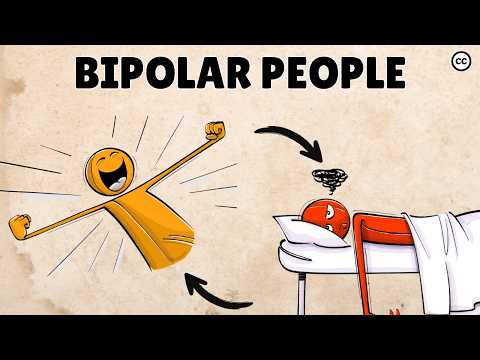
So, let’s chat about bipolar disorder. You might have heard about it, or maybe you know someone dealing with it. It can sound super complicated, but honestly, it’s not that scary once you break it down.
Imagine feeling on top of the world one moment—full of energy and creativity—then suddenly crashing into a deep pit of sadness or fatigue. It’s like a rollercoaster ride, and not everyone gets why it can be so tough.
There are signs and symptoms to watch for, plus some ways to find support if you or someone you know is affected. Seriously, knowing what to look for can make all the difference. So let’s explore this together!
Exploring Essential Support Options for Managing Bipolar Disorder
Managing bipolar disorder can feel like riding a rollercoaster. You know those ups and downs? They can be intense. But with the right support options, it’s totally possible to find some stability. Let’s chat about what you might find helpful along this journey.
First off, it’s important to understand the signs and symptoms of bipolar disorder. People often experience mood swings that range from manic highs—where you might feel super energetic or even invincible—to depressive lows, which can make getting out of bed a huge challenge. It’s not just about feeling “happy” or “sad.” These moods are extreme and can affect your daily life in big ways.
So, if you’re grappling with bipolar disorder or know someone who is, here are some essential support options to consider:
- Therapy: Talking things out with a therapist who gets bipolar disorder can be super beneficial. Cognitive Behavioral Therapy (CBT) is one approach that focuses on changing negative thought patterns and behaviors.
- Medication: Mood stabilizers are often prescribed to help regulate those ups and downs. It could take a bit of time to find the right medication combo that works for you, so patience is key.
- Support Groups: Sometimes just knowing you’re not alone can make all the difference. Connecting with others who understand what you’re going through can provide comfort and practical tips.
- Education: Learning about bipolar disorder helps you understand yourself better. There are tons of resources—books, websites, even documentaries—that can shed light on your experience.
- Routine: Establishing a daily routine helps create structure in your life. It doesn’t have to be rigid but finding regular sleep schedules and meal times can really ground you.
A good friend of mine was diagnosed a while back. He found that joining a support group changed everything for him. He realized he wasn’t alone in this fight; hearing others share their stories gave him hope and strategies to manage his condition better.
Also, it’s vital to lean on friends and family for support. Keeping them in the loop helps them understand what you’re facing—they could be extra hands during tough times or just listening ears when things get rough.
And listen up: self-care isn’t just a buzzword! Regular exercise, healthy eating, and mindfulness practices like meditation or yoga can seriously impact your mood positively over time. Those little things add up!
So really, managing bipolar disorder is all about creating your own toolkit of supports—therapy sessions, medications, groups—and making them work for you. It’s okay if it takes some time; everyone’s journey looks different. By staying informed and connected, you’ll find paths that work best for your unique situation!
Essential Tips for Supporting a Loved One with Bipolar Disorder
Supporting a loved one with bipolar disorder is a journey, and it can feel a bit overwhelming at times. You’re not alone in this; many people find themselves in similar situations. Here’s the thing: knowing how to be there for someone with bipolar can really make a difference, so let’s break that down.
Understand the condition. Bipolar disorder isn’t just mood swings. It’s more like extreme emotional states that can range from manic highs to depressive lows. Each phase can last days, weeks, or even months. So when your loved one is feeling on top of the world one moment and then struggling to get out of bed the next, it can be confusing.
Learn about the signs. Knowing what symptoms to look for helps you understand their experience better. During manic phases, they might be more energetic, talkative, or impulsive—sometimes taking risks they usually wouldn’t. In contrast, during depressive episodes, they might feel hopeless or withdraw from activities they enjoy.
Be patient and listen. Sometimes your loved one just needs someone to hear them out. You might hear things that don’t make sense or sound intense, but being there without judgment is so key. Ask open-ended questions like “How are you feeling today?” It shows you care and want to understand.
Encourage treatment. If they’re not already receiving professional help, gently suggest seeking therapy or medication management. Sometimes they might resist this idea during certain phases—especially when feeling manic—so keep it gentle and supportive. Offer to help find a therapist or go with them if they’re nervous.
Create a supportive environment. This could mean helping them avoid triggers when possible or being aware of stressors in their life that could worsen symptoms. For instance, if they tend to get overwhelmed in crowded places during depressive episodes, maybe suggest quieter hangouts instead.
- Be flexible with plans. If they’re having an off day and need to cancel something last minute, try not to take it personally; it’s part of the condition.
- If possible, learn their warning signs. Sometimes people have specific behaviors that signal an approaching episode. They might become more irritable or withdrawn before a manic phase hits; keeping tabs on these cues could help you offer support early on.
- Breathe together. Activities such as breathing exercises or mindfulness techniques can help ground both of you during tough moments. Just taking time together for relaxation can ease tension!
Ditch assumptions. Just because your loved one has bipolar disorder doesn’t mean every action is related to their condition. They still have thoughts and feelings beyond their diagnosis—remembering this keeps your connection strong!
And finally—self-care for you is vital too! Supporting someone going through these ups and downs can be draining emotionally and mentally. Make sure you’re filling up your own tank by seeking support from friends or joining groups where you can share experiences.
You’re doing something meaningful by being there for someone with bipolar disorder—you’ve got this!
Effective Strategies and Support for Managing Bipolar Disorder Symptoms
Bipolar disorder can seriously shake things up in your life, but there are definitely ways to make it a bit easier to manage. **Effective strategies and support** can help you deal with those intense mood swings, from the highs (mania) to the lows (depression). So, let’s break this down into digestible parts.
1. Medication Management
Medication is often a key player when it comes to managing bipolar disorder. Mood stabilizers, antipsychotics, and sometimes antidepressants are commonly used. But finding the right combo can take time—what works for one person might not work for another. So, stick with your doctor and keep them in the loop about how you’re feeling on your meds.
2. Therapy
Talk therapy can be a game changer. Approaches like Cognitive Behavioral Therapy (CBT) help you recognize patterns in your thoughts and behaviors that may fuel mood swings. Plus, there’s something just comforting about having someone listen to what you’re going through.
3. Lifestyle Adjustments
Your daily habits can have a big influence on how stable you feel. Regular exercise? Super helpful! Getting a solid amount of sleep is essential too—like seriously important for mood regulation. And hey, don’t underestimate the value of healthy eating; it’s all part of keeping your brain happy.
4. Identify Triggers
Being aware of what sets off your mood swings gives you armor against them. Stressful situations, changes in routine, or even seasonal changes can trigger episodes for some people. Keeping track of these triggers in a journal might help you spot patterns over time.
5. Build Your Support System
It’s crucial to have people around who get it—family members or friends who understand what you’re dealing with can make all the difference! Support groups also provide a safe space to connect with others facing similar challenges; just talking about experiences can be super validating.
6. Stay Honest with Yourself
Sometimes you gotta check in with yourself and be real about where you’re at emotionally. If you’re feeling off, talk about it or reach out for help before things escalate too much.
Remember that managing bipolar disorder is often not just one-size-fits-all; it’s more like piecing together a puzzle unique to you! Hang in there—finding what works might take some time and patience but it’s totally possible!
Bipolar disorder can feel like riding a rollercoaster, you know? One minute you’re soaring high, full of energy and maybe even a little too optimistic. Then, just as suddenly, you’re down in the depths, struggling to get out of bed. It’s wild how it flips from one extreme to another.
So, what are the signs and symptoms? Well, there are two main phases: mania and depression. During a manic episode, you might feel euphoric or irritable and think you can conquer the world—ever had that feeling when everything just seems possible? But then there are those depressive episodes where everything feels heavy. You might find yourself crying over small things or losing interest in stuff that used to bring joy.
I remember talking to a friend once who was describing her experience during a manic phase. She talked about feeling invincible—like she could run ten miles without breaking a sweat and take on any challenge. But then wouldn’t see it coming when the crash hit. It made me realize how sharply these moods can swing.
Support is super important for those living with bipolar disorder—and I mean real support from friends or family who get it or at least try to understand what’s going on. Therapies like cognitive behavioral therapy (CBT) can help learn coping mechanisms for those ups and downs. It’s about recognizing triggers and learning how to manage emotions better.
Medication is also often part of the picture, helping stabilize mood swings so life feels a bit more balanced. But finding the right one can take time because everyone’s different!
And let’s not forget self-care! Simple things like getting enough sleep, exercising (even if it’s just a brisk walk), or having someone listen when you’re feeling low can really make a difference in daily life.
You know what? Living with bipolar disorder comes with challenges but also opportunities for growth and connection as well. You’re not alone in this ride; reaching out for help is totally okay!