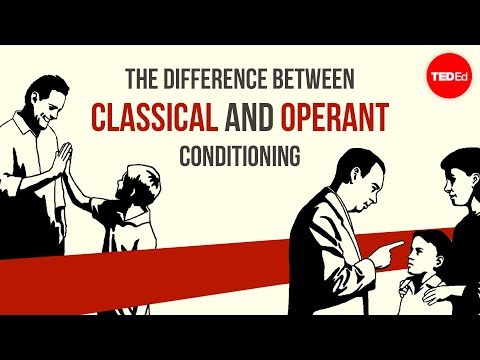
You know when you’ve just had a rough day? Like, everything goes wrong, and you end up binging your favorite show or eating way too much ice cream? It’s kind of a comfort thing. Well, that’s where this whole idea of operant conditioning comes in.
So, let’s break it down. Operant conditioning is basically about rewards and consequences. You do something good? You get a treat. Mess up? You face the music. Sounds pretty straightforward, right?
Now, in Applied Behavior Therapy (ABT), therapists use this stuff to help people change their behaviors for the better. It’s not just about getting cookies for good behavior though; it’s about understanding yourself and making real changes in life.
And honestly? It’s pretty cool how these simple principles can help with everything from anxiety to depression. You start to see how our habits shape us, and that can be a game changer! Anyway, let’s dig into how this all works together in the world of mental health.
Understanding Operant Conditioning in ABA Therapy: Key Concepts and Applications
Operant conditioning is this cool concept that shapes how we learn from our experiences. It’s all about how behavior can be influenced by what happens after you do something. Basically, when you do something that leads to a reward, you’re likely to do it again. The same goes for negative outcomes; if something bad happens, you’re less likely to repeat that action. You follow me?
In the context of Applied Behavior Analysis (ABA) therapy, operant conditioning plays a huge role in helping people, especially those with autism or other developmental disorders. Here’s the deal: ABA focuses on improving specific behaviors through reinforcement strategies.
Key Concepts of Operant Conditioning:
- Positive Reinforcement: This is when you add something desirable after a behavior—like giving a kid a treat for cleaning their room. It makes them want to clean again!
- Negative Reinforcement: Sometimes, it’s about taking away something unpleasant to encourage behavior—like turning off a loud noise when someone completes their homework.
- Punishment: This one can be tricky! It involves adding an unpleasant consequence or removing a pleasant one to decrease a behavior. Think of it like getting yelled at for being late; it might make you leave on time next time.
- Extinction: This refers to reducing a behavior by stopping the reinforcement that used to support it. For example, if a child stops getting attention for tantrums, they might eventually stop throwing them too.
Applying these concepts in ABA therapy involves carefully observing behaviors and then deciding how best to respond. Let’s say there’s a child who only talks when they want something (classic, right?). A therapist could use positive reinforcement by giving them attention or toys every time they attempt verbal communication.
Real-life application is where it gets really interesting! Imagine you’re working with someone who struggles with anxiety and avoids social situations. Through operant conditioning in therapy, the therapist would help reinforce small steps toward socializing—like saying “hi” to strangers—with rewards that matter to the individual.
There are countless examples like this across various scenarios in mental health care settings where operant conditioning is applied effectively. And over time? These small changes can lead to massive improvements in someone’s quality of life!
Exploring the Role of Operant Conditioning in Behavioral Therapy: A Deep Dive into Techniques and Effectiveness
Hey there! Let’s talk about operant conditioning and how it fits into behavioral therapy. It’s pretty interesting, really. Operant conditioning is all about how behaviors are shaped by rewards and punishments. This is key in Applied Behavior Analysis (ABA) and other forms of behavioral therapy.
So, what’s the deal with operant conditioning? Basically, it boils down to this: when you do something that gets you a good outcome, you’re likely to do it again, right? Conversely, if an action results in something unpleasant, you’ll probably steer clear of it next time. You follow me?
Here are some important points that show how this works in therapy:
- Positive Reinforcement: When someone gets a reward for a behavior, like praise or treats for completing homework, they’re more likely to keep doing it.
- Negative Reinforcement: This isn’t punishment! It means removing something unpleasant when a good behavior occurs. For example, taking away chores if someone goes a week without tantrums.
- Punishment: This one gets tricky! It involves adding something unpleasant or taking away something good to decrease unwanted behaviors. Like losing video game time for not following rules.
Now let’s get real for a sec—I’ve seen this stuff work wonders in people’s lives. A friend of mine struggled with social anxiety and basically avoided hanging out with friends like the plague. But through some good ol’ operant conditioning techniques during therapy, like rewarding himself after attending events (even just for an hour), he started feeling more comfortable over time.
In practice, therapists often set up structured environments where they can monitor behaviors closely and offer immediate feedback or rewards. This helps people see the connection between their actions and outcomes clearly.
But let’s not ignore the challenges here. Not every person responds well to these techniques alone—especially if they’re dealing with deeper emotional issues or trauma. So therapists often combine operant conditioning with other methods like cognitive-behavioral therapy (CBT) to address those nuances.
In summary, while operant conditioning is super useful in shaping behaviors and encouraging positive changes in mental health treatment, it’s just one part of a larger puzzle. Remember, every person is different! What works for one might not work as well for another—but hey, that’s just part of navigating mental health care!
Understanding ABA Therapy: The Role of Classical and Operant Conditioning
ABA therapy, or Applied Behavior Analysis, is a therapeutic approach that uses principles from psychology to help modify specific behaviors, especially in individuals with autism. It’s based on two key concepts: classical conditioning and operant conditioning. Let’s break this down to make it easy to understand.
So, what’s classical conditioning? Well, it’s when you learn to associate one thing with another. Think of Pavlov’s dogs—their owner rang a bell every time they were fed, and eventually, the sound of the bell made them salivate even when no food was present. It’s about pairing stimuli so that a response happens naturally. In ABA, this might look like associating a word with an action or feeling.
On the flip side, we’ve got operant conditioning. This one focuses on how consequences affect behavior. Basically, if you do something and there’s a reward at the end, you’re more likely to do it again; if there’s a punishment, well…you probably won’t.
In ABA therapy, operant conditioning plays a huge role in modifying behaviors. For example:
- Positive reinforcement: Say a child completes their homework without fussing. In return, they get extra playtime as a reward. This encourages them to repeat the behavior.
- Negative reinforcement: Imagine if that same child gets to skip their least favorite subject after completing all their assignments for a week. This relief motivates them to keep pushing through.
- Punishment: If the child throws tantrums in class and loses privileges like recess when they misbehave, it aims to reduce that behavior over time.
One thing that can get confusing is how these two kinds of conditioning really work together in ABA therapy. You see? Classical conditioning lays down the groundwork by creating associations between certain stimuli and responses—like knowing that sitting quietly leads to praise. Then operant conditioning takes those associations further by reinforcing (or punishing) specific behaviors based on their outcomes.
To make it clear: classical conditioning sets up the situation; operant conditioning shapes how you respond within that setup.
Let me tell you about Sarah—a friend of mine who went through ABA therapy as part of her support for autism spectrum disorder. When she first started sessions, her therapist used classical conditioning techniques every time Sarah entered the room—like playing her favorite song just before sessions began so she felt relaxed and happy when she saw her therapist next time.
Then came operant conditioning! Her therapist introduced rewards for completing social tasks—like sharing toys during playtime—and gradually urged Sarah towards more challenging interactions by increasing those rewards over time.
Through this blend of both types of learning methods, Sarah not only learned new skills but also felt more motivated and confident in social settings! Cool story? I think so!
In summary: ABA therapy utilizes both classical and operant conditioning to teach new skills and modify behaviors effectively. By understanding how each form works—associating stimuli with responses or modifying actions through consequences—you can see how powerful these techniques can be in helping individuals thrive socially or emotionally!
You know, when we talk about operant conditioning, it kind of feels like we’re diving into an old-school psychology book, right? But seriously, it’s a super interesting concept that’s actually pretty relevant in the real world, especially in therapy.
So, here’s the deal: operant conditioning is when you learn behaviors based on the consequences that follow them. If something good happens after a behavior, you’re more likely to do it again. If something not-so-great happens, well, you might think twice next time. It’s like when a kid gets praised for cleaning their room—suddenly that chore doesn’t seem so bad anymore!
Now picture this. Imagine someone struggling with anxiety. They might avoid social situations because they fear judgment or embarrassment. However, if they muster up the courage to attend a gathering and have a great time—maybe they get complimented or just enjoy being around friends—operant conditioning kicks in. The positive experience acts as a reward, encouraging them to face such situations more often.
Applied Behavior Therapy (ABT) takes this idea and runs with it in mental health settings. Therapists can use positive reinforcement (like praise or rewards) to help clients build healthier habits or overcome fears. Think about it: instead of just talking through emotions (which can be important too), there’s this active approach where you actually reinforce good behaviors.
But here’s where things can get tricky. If someone only focuses on avoiding negative experiences without addressing deeper issues, well… that can lead to problems down the line. It’s not just about getting rewarded; you also need some understanding of your feelings and triggers. So finding that balance is crucial.
In my experience chatting with people about these concepts, I’ve seen how powerful small changes can be when reinforced over time. Just the other day, a friend shared how attending her first therapy session felt daunting at first—even terrifying—but she went anyway because her therapist recognized each step she took towards being more open as something worth celebrating.
That’s what I love about operant conditioning and ABT—it reminds us that behavior change isn’t just about tough love or strict discipline; it can also be about encouragement and support along the way! You feel me?