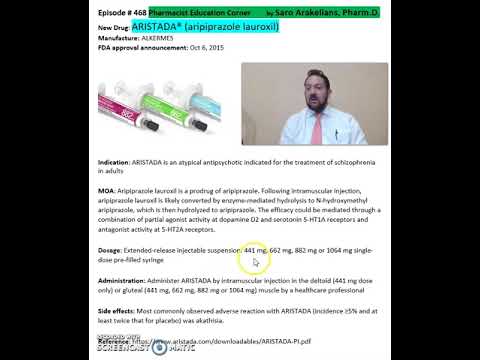
So, let’s chat about Aristada. You know, that medication that gets tossed around in mental health circles?
It’s an interesting player in the world of mental health management. A lot of folks are curious about it, and for good reason!
You might’ve heard people mention it when talking about conditions like schizophrenia or bipolar disorder. But what’s the scoop?
Well, it’s not just any old pill—it’s kind of unique in how it works.
Stick around if you want to get the lowdown on Aristada 882 mg and see how it fits into the bigger mental health picture.
Exploring the Effects of Aristada on Depression: Benefits and Insights
So, let’s talk about **Aristada**—a medication that some people know a bit about but might not fully get, especially in relation to depression. Aristada is actually used mainly for treating schizophrenia, but here’s the kicker: it can also have effects that some folks find useful when dealing with symptoms of depression.
Now, Aristada comes in different doses, and we’re focusing on the **882 mg** version here. This particular dose is notable because it’s often used for long-acting treatment. Just to give you an idea of how it works, Aristada is an atypical antipsychotic, which means it might help balance certain chemicals in your brain that can get outta whack.
When people take Aristada, what happens is that it can help smooth out mood swings and anxiety. You know those days where everything feels heavy? Like you’re trudging through mud? Well, Aristada might lighten that load. And I’ve heard from folks that after starting it, they feel more stable emotionally. Here are a few things to think about:
- Long-Lasting Effects: One of the big benefits is its long-lasting nature—patients only need to get an injection every few weeks instead of taking daily pills.
- Improved Mood: People report a reduction in depressive symptoms over time. That weightiness I mentioned earlier? It tends to lift.
- Fewer Side Effects: Compared to some other medications for mood disorders, some say Aristada tends to have milder side effects.
Now let’s chat about reality for a sec. Medication isn’t a magic bullet; it won’t cure everything overnight. For some people dealing with severe depression or those who’ve tried other treatments without success, Aristada could be part of the solution. So when someone says they’ve felt more like themselves after starting this treatment, it really resonates.
But look—just like any medication, there are things you need to consider before jumping in:
- Side Effects: There can be side effects like weight gain or sedation. Not everyone experiences these, but it’s something to discuss with your doctor.
- Not a Standalone Solution: It’s usually recommended alongside therapy or other interventions—so don’t think popping this shot will suddenly fix everything.
- Monitoring Required: Regular check-ins with your healthcare provider are crucial while on this med so they can adjust dosages or switch things up if needed.
Sometimes people feel hesitant about trying new treatments because they worry their symptoms will just come storming back if they stop taking them or if there’s not enough support behind them. I totally get that! Imagine finally finding something that feels right only for anxiety or depression to poke their heads back up again.
The bottom line is this: Aristada could potentially help manage depressive symptoms for folks struggling with mental health issues—especially if traditional methods haven’t worked out as hoped. It’s all about finding the right fit for you and having open conversations with your doctor.
So whether you’re just curious or searching for answers regarding treatment options in mental health management and medication effectiveness, keep asking questions and seeking what feels right for you!
Understanding Aristada: How It Affects Brain Function and Mental Health
Alright, let’s get into Aristada and how it fits into the whole mental health puzzle. So, Aristada is an injectable medication, and it’s primarily used to help manage schizophrenia. It’s actually a longer-acting version of a drug called aripiprazole, which is often prescribed for various mood disorders and psychosis.
How does Aristada work? Basically, it targets certain neurotransmitters in your brain—these are chemicals that help transmit signals between neurons. The main players here are dopamine and serotonin. Think of dopamine as the brain’s reward system—a boost of happiness when you achieve something. Serotonin, on the other hand, helps regulate mood and anxiety. Aristada works by balancing these neurotransmitters which can lead to fewer symptoms of schizophrenia.
Now let’s talk about what makes it special. One big thing is its duration of action. You don’t have to take it every day like some other meds. Instead, you get an injection every few weeks or even once a month! This can really help people who struggle with daily pill-taking routines or forgetfulness.
Why is this important for mental health? Well, think back to someone you know who might have had a tough time staying on their medication—maybe they didn’t notice any immediate effects or just didn’t feel like remembering to take a pill every day. That inconsistency can mess with their mental health seriously. Having something like Aristada means maintaining more stable medication levels in your system, which could mean fewer ups and downs.
Another cool aspect? The side effects tend to be milder compared to older antipsychotics. Common side effects might include restlessness or mild weight gain, but many people find them manageable compared to other options out there.
What about brain function? With long-term use under medical supervision, Aristada may help keep your brain functioning better by reducing the intensity of psychotic episodes or severe mood swings associated with schizophrenia. It’s all about creating that smoother ride through daily life.
That said, everyone reacts differently; some folks may find relief while others might struggle with side effects or not respond as well. The thing is—it’s super crucial to keep communicating with your healthcare provider throughout the process.
In summary:
- Aristada is used mainly for managing schizophrenia.
- It works by balancing dopamine and serotonin.
- You only need injections every few weeks!
- The side effects can be milder compared to older options.
- Consistency in taking your meds helps improve overall mental health.
So yeah, understanding something like Aristada opens up more options for people looking for effective treatment paths in managing their mental health conditions!
Understanding Aristada: Is It Effective for Managing Bipolar Disorder?
Aristada, known generically as **aripiprazole lauroxil**, is an injectable medication primarily used to treat conditions like schizophrenia and bipolar disorder. If you’re looking into Aristada for managing bipolar disorder, it’s worth understanding a few things about how it works.
How It Works
Aristada is what we call an atypical antipsychotic. This means it affects certain chemicals in your brain, particularly dopamine and serotonin. These two neurotransmitters are pretty important in mood regulation. So basically, by balancing these chemicals, Aristada can help stabilize mood swings in people with bipolar disorder.
Administration
One of the key features of Aristada is that it’s given as an injection rather than taken as a pill every day. Depending on the dose—like the 882 mg version—you might get it once a month or every two months. This can be helpful if you struggle with remembering to take your meds regularly.
Efficacy
Research has shown that Aristada can be effective for many people dealing with bipolar disorder. Its extended-release form helps maintain consistent medication levels in your system, which is crucial when managing fluctuating moods. Some studies even suggest it can reduce manic symptoms and help prevent episodes of depression.
Side Effects
Of course, every medication comes with its own set of potential side effects. Common ones might include weight gain, restlessness, or fatigue. It’s really important to discuss these with your doctor so you know what to expect.
Personal Experience
Let’s say you have a friend named Jenna who has been diagnosed with bipolar disorder. She struggled for years with mood swings that made everyday life pretty difficult. After trying several different medications without much success, her doctor recommended Aristada. After starting her injections, Jenna noticed she felt more stable and less prone to those intense highs and lows.
The Bottom Line
If you’re considering Aristada for bipolar disorder, chat with your doctor about whether it’s right for you. Everyone’s experience with mental health treatment is unique! They’ll help weigh the benefits against any possible drawbacks based on your specific situation.
In short, Aristada can be a solid option for managing bipolar disorder symptoms, especially if you’re looking for something long-acting like an injection instead of daily pills. Just remember that finding the right treatment often takes time and patience—you’re definitely not alone in this journey!
So, let’s chat about Aristada, you know? It’s this long-acting injectable medication that’s been around for a bit now, mainly used to manage schizophrenia. If you got a friend or someone you care about who’s dealing with mental health issues, you probably know how challenging it can be. Seriously, schizophrenia can be tough to handle—both for the person going through it and for their loved ones.
Now, Aristada comes in various dosages, but the 882 mg option is like a big gun in your mental health management toolkit. The idea is that it helps maintain steady levels of medication in the body over time—so instead of popping pills every day or having to remember doses, which can, let’s face it, be super stressful, you get this injection typically once a month. Just think about how freeing that could feel! It takes away some of that daily burden.
I remember chatting with a friend whose brother has schizophrenia. He’d struggle with taking his meds regularly and would have these ups and downs because of inconsistent treatment. It broke my heart to see how much it affected him—and his family. Then they tried this long-acting option like Aristada. Suddenly, things became more stable for him. Fewer hospital visits and more time just being himself without all the constant worry about forgetting to take his meds.
Now don’t get me wrong; Aristada isn’t a magic fix-all. Like any medication, it comes with potential side effects—you know? Things like weight gain or sedation can happen and depending on the person’s situation and response to treatment, that might not be great.
But what I find really interesting is how medications like Aristada highlight this shift we’re seeing in mental health management—moving toward treatments that consider quality of life along with symptom management. This holistic approach matters a lot since living well isn’t just about keeping symptoms at bay; it’s also about enjoying life.
So yeah, while Aristada 882 mg plays its part in enhancing stability for people managing schizophrenia, it’s vital we keep talking openly about these experiences—both the good and the tough stuff—in mental health conversations. Just knowing there are options out there makes such a difference!