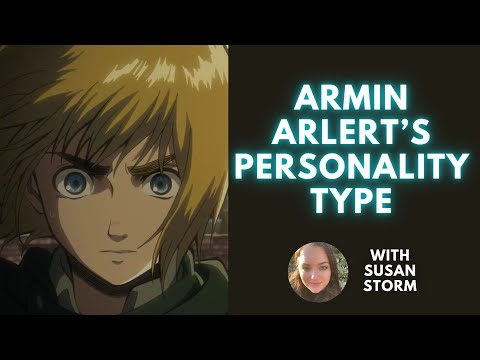
You know how we all have those days where we just can’t figure ourselves out? Like, one minute you’re on top of the world, and the next, you’re in a funk that feels like it’s got no end.
Well, that kind of stuff can actually tie into your personality type. Seriously! It’s wild how much our traits can influence our mental health.
Take Armin, for instance. His MBTI type has shaped how he views everything—his relationships, work stress, and even his self-care habits. It’s all connected!
So let’s unpack this whole MBTI thing and see how it plays into mental health. You might just find a few “aha!” moments along the way.
Exploring Armin’s Personality Type: INTP vs. INFJ – A Deep Dive into Cognitive Traits
Armin’s personality type sparks curiosity, especially when comparing INTP and INFJ. Both are unique in the MBTI spectrum, with distinct cognitive traits that can influence mental health. Let’s break it down.
For starters, INTPs—known as the «Thinkers»—are all about logic. They enjoy exploring theories and concepts. So, they might spend hours lost in thought, trying to solve a problem or understand complex ideas. Armin, if he leans toward INTP traits, could find himself overwhelmed by analysis paralysis. You know how sometimes you can think too much about something? That’s what happens with INTPs. They crave understanding but can struggle to act on their thoughts.
On the flip side, INFJs—often called «Advocates»—are more focused on feelings and intuition. They tend to be empathetic and deeply intuitive about others’ emotions. If Armin fits this type, he might be that friend who knows when something’s off with you without you even saying a word. This trait can be comforting but also exhausting; INFJs often carry the emotional burdens of others, leading them to feel depleted or anxious.
Cognitive Functions play a big role here too!
- INTPs: Their dominant function is Introverted Thinking (Ti). This makes them rational thinkers who look for internal consistency.
- INFJs: Their dominant function is Introverted Intuition (Ni), which aligns them with insights and future possibilities.
So imagine this: Armin’s an INTP who spends days analyzing why his favorite TV show ended poorly. He gets stuck in a loop of negative thoughts because he simply can’t stop dissecting it! Meanwhile, an INFJ might reflect on how that ending affected their feelings or even discuss it with friends to alleviate the pressure of those emotions.
Mental health can really vary based on these traits too! An INTP like Armin could deal with anxiety stemming from perpetual overthinking or existential dilemmas. That feeling of being lost in thought isn’t just annoying; it can feel quite isolating and heavy.
In contrast, an INFJ might experience depression from emotional overwhelm—a kind of burnout from always being “on” for others without enough time for self-care. The weight they carry can become too much; they may pull back socially to recharge.
Understanding these differences offers insight into Armin’s behaviors and coping styles. If he’s more of an INTP, engaging him in constructive debates could help his mental state by providing healthy outlets for his thoughts. But if he’s leaning more towards INFJ traits, encouraging him to express his feelings openly may foster deeper connections and boost his well-being.
Ultimately, knowing whether Armin resonates more with INTP or INFJ helps tailor support for whatever journey he’s on regarding mental health concerns. We all need different things at different times—having that awareness is super helpful in taking care of ourselves!
Understanding the MBTI: Its Role and Impact on Mental Health
Alright, so let’s chat about the Myers-Briggs Type Indicator, or MBTI for short. It’s really popular, you know? A lot of folks take the test to figure out their personality type, which is pretty neat. But what’s even cooler is how that connects to mental health.
The Basics of MBTI
The MBTI sorts people into 16 different personality types based on four pairs of opposing traits: Introversion (I) vs. Extraversion (E), Sensing (S) vs. Intuition (N), Thinking (T) vs. Feeling (F), and Judging (J) vs. Perceiving (P). Think of it like a personality recipe that tells you if you’re more of a thinker or a feeler or whether you like structure or spontaneity.
Now, let’s say Armin takes this test and finds out he’s an INFP—Introverted, Intuitive, Feeling, and Perceiving. For him and his mental health journey, this type can shape how he thinks about himself and interacts with the world.
Understanding Armin’s Type
If you’re an INFP like Armin, you might feel things deeply and value your ideals more than most. That can be beautiful but also tough! You might find yourself overwhelmed by emotions or feel stressed when reality doesn’t match your dreamy expectations. This is where understanding his type becomes super important.
Impact on Stress Management
Armin may struggle with stress because he often wants to create harmony in his life but might avoid conflict at all costs. This could lead to unclear boundaries with others, making him anxious when he needs to assert himself.
Here’s the kicker: knowing he’s an INFP can help him recognize these patterns! Instead of just feeling lost in those emotions, Armin can understand why he feels that way and look for strategies to cope better.
Relationships and Connections
Another thing is relationships. INFPs tend to bond deeply with others but may not always express their needs clearly. So when feeling lonely or misunderstood—like when his friends don’t get why he feels so strongly about something—understanding this part of his personality could prompt him to communicate better or seek understanding from the people around him.
Career Moves
When it comes to work-life balance, knowing your MBTI type can guide career choices too! For Armin as an INFP, jobs that allow creativity and individuality might vibe well with him—think counseling, artsy gigs, or writing—making sure not to suppress his unique spark!
Of course, let’s keep it real; no one should box themselves into just one label! The MBTI provides a framework but isn’t the end-all-be-all in understanding someone like Armin—or anyone else for that matter.
Ultimately though, understanding the MBTI can help improve self-awareness. Being aware encompasses both strengths and weaknesses that come with each personality type. So if we take time to understand ourselves better through tools like this—which are kind of fun anyway—we’re more likely to enhance our mental health journey!
That means less stress about fitting in a mold and more joy in figuring out who we truly are. And trust me, recognizing those patterns makes all the difference as we navigate life’s ups and downs together!
Exploring Armin Arlert’s Personality Type: Insights from Psychology and Anime
Armin Arlert, from the anime *Attack on Titan*, is a character that captures a lot of attention, and for good reason. He’s often seen as the brainy strategist among the main trio, standing out for his intelligence and emotional depth. If we’re looking at his personality through the lens of psychology, we might say he fits into the **INFP** or **INFJ** category in the MBTI framework.
MBTI stands for Myers-Briggs Type Indicator, a tool people use to try to understand personality types based on preferences in how you perceive the world and make decisions. So let’s break down Armin’s traits.
First off, he’s deeply empathetic. You see this in his interactions with others; he genuinely cares about their feelings and well-being. That emotional sensitivity can be a double-edged sword. On one hand, it makes him a great friend. On the other hand, it can lead to anxiety and self-doubt because he feels so much pressure from those emotions around him.
Then there’s his intellectual side. Armin is always thinking two steps ahead—like when he develops strategies during battles. This analytic mind really underscores his role as a planner rather than a fighter. Sometimes you notice that Armin struggles with confidence in himself, especially around characters like Mikasa or Eren who are more action-oriented. It’s like he has this constant battle within him between wanting to be brave and feeling inadequate.
But here’s where it gets interesting: psychology tells us that personality traits aren’t just fixed labels—they’re flexible and can evolve over time due to experience. Throughout *Attack on Titan*, we watch Armin grow into someone who learns to embrace his qualities rather than shy away from them.
Now let me throw in something related to mental health here—self-acceptance. As Armin starts believing more in himself, it helps reduce his anxiety and forge stronger connections with others. This journey is super relatable for anyone dealing with self-doubt or anxiety themselves.
And while we’re at it, you’ll find that many fans relate strongly to Armin because they see parts of themselves in him—the struggle between being thoughtful versus being brave isn’t just an anime thing; it happens all around us. Maybe you’ve felt that way before—stuck between wanting to speak up but holding back because you’re unsure if your words will matter.
In summary, looking at Armin Arlert’s character through psychology gives us valuable insights into how personality shapes our experiences and influences our mental health journeys. With time and support, even those who feel vulnerable can grow into their full potential!
So, let’s talk about Armin and his MBTI type. You know, the Myers-Briggs Type Indicator? It’s that personality test that kinda sorts folks into different types based on how they think, feel, and react to the world. Armin is an INFP—an idealist, you might say.
Okay, so with someone like him being an INFP means he’s super sensitive and creative. They often feel things really deeply. I remember once when he was sharing a story about a movie that made him cry—it was just a cartoon! But for him, it was much more than just entertaining; it hit home and touched something personal in his heart.
Now, here’s where it gets interesting. This depth of feeling can be both a blessing and a curse for Armin’s mental health. On one hand, he’s got this amazing ability to empathize with others. If you’re going through something tough, he’s right there for you, offering support or even just a listening ear. It’s like he can feel your pain with you.
But on the flip side—well, sometimes it feels like his own feelings take over. The weight of the world can get heavy for these sensitive types. I noticed that Armin would often retreat into himself after getting overwhelmed by emotions or conflict around him. It’s like he needs to go into his little shell to recharge because dealing with intense feelings all day can be exhausting!
Another thing about INFPs is their strong values and ideals. It sounds great on paper—until reality doesn’t align with those ideals, right? So when things don’t go the way they wish or expect them to go—even small stuff—it can lead to some pretty intense frustration or disappointment for Armin.
Sometimes he would express this frustration by writing poetry or painting; it’s almost therapeutic for him! But if he holds in too much without letting it out through creativity or talking about it—yikes! That might lead to anxiety or even depressive feelings creeping in.
To sum it up: Armin’s MBTI type definitely colors his mental health experiences. He feels deeply which is beautiful but also challenging at times. Finding balance is key for guys like him; leaning into those passions while also keeping track of when emotions might be overwhelming—that’s one heck of a dance!