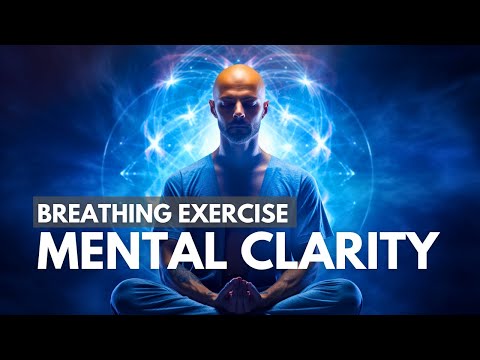
You know how life can get super hectic sometimes? It’s like you wake up, and boom—your mind’s racing.
But here’s the thing: there’s a simple way to hit pause. Seriously! Just breathe.
Breathing might sound basic, but it can totally transform your mental state. It’s like giving your brain a little vacation, even if it’s just for a few minutes.
So let’s chat about some easy breathing techniques that can help clear your head and boost that feel-good vibe. You in?
Unlock Mental Clarity and Wellbeing: Effective Deep Breathing Techniques You Can Practice Today
Breathing is something you probably do without even thinking about it, right? But here’s the kicker: the way you breathe can actually affect how you feel mentally. Seriously! Deep breathing techniques are like little mental reset buttons that can help you find some clarity and calm when life gets a bit too chaotic.
First off, let’s talk about why deep breathing matters. When you take a moment to breathe deeply, it sends signals to your brain that help reduce stress. This happens because deep breathing activates your parasympathetic nervous system, which calms you down. So, if you’re feeling anxious or overwhelmed, taking a few deep breaths can be super helpful.
You might be wondering, “Okay, but how do I do this?” Here are a couple of effective techniques that you can practice pretty much anywhere:
- Diaphragmatic Breathing: This is all about using your diaphragm properly. Lie down or sit comfortably. Either place one hand on your chest and another on your belly. As you inhale through your nose, let your belly rise while keeping your chest mostly still. Exhale slowly through pursed lips and feel your belly fall. Doing this for 5-10 minutes can seriously center you.
- Box Breathing: Picture a box in four sides. Inhale for four counts, hold for four counts, exhale for four counts, and hold again for four counts before repeating the cycle. This technique is great when you’re feeling stressed—like if you’re in the middle of a tough meeting or about to give a presentation.
- Nadi Shodhana (Alternate Nostril Breathing): Close off one nostril with your thumb as you inhale through the other nostril. Then switch sides and exhale through the one you’ve just closed off. Not only does it help bring balance but it’s also really grounding.
Now here’s something personal: I remember this one time when I was feeling totally swamped with work and life stuff all at once—it was like my brain had turned into mush! I decided to take a quick break and did some diaphragmatic breathing in my car (don’t worry; I wasn’t driving!). Just five minutes of focused deep breaths helped clear my mind so I could tackle everything with fresh energy.
It’s important to make space for these practices in your daily routine—maybe first thing in the morning or whenever life throws you a curveball during the day. Consistency makes all the difference!
And don’t forget: there’s no right or wrong way to breathe deeply; just find what feels good for you! The best part? You don’t need any fancy equipment or apps—just **you** and **your breath**.
So go ahead, give these techniques a shot today! It might feel awkward at first—or maybe not—but developing awareness around your breath can lead to some pretty cool changes in how you manage stress and focus better in everyday life.
Calm Your Mind: Effective Breathing Techniques to Reduce Anxiety
You know that feeling when your brain is racing a million miles an hour? Yeah, it’s a frustrating place to be, especially if anxiety kicks in. But hey, there are some really effective breathing techniques that can help calm your mind down. And the best part? You can do them anywhere, anytime.
1. Deep Breathing is probably the most well-known method. It’s pretty simple—just take a deep breath in through your nose, letting your belly fill up with air, and then slowly exhale through your mouth. Sounds easy, right? But it really works! Try doing this for a few minutes when you feel anxious. It helps activate the body’s relaxation response and can lower heart rate.
So here’s how to do it:
- Sit or lie down in a comfortable position.
- Close your eyes if it helps you focus.
- Breathe in slowly for a count of four. Hold it for four counts.
- Then breathe out for six counts—making sure to let all the air out!
Pursed Lip Breathing is another great technique to have in your toolbox. This one’s especially handy if you’re feeling short of breath or panicky. You basically want to breathe in through your nose like usual but then breathe out through pursed lips—kinda like you’re blowing out birthday candles but not too hard! This technique slows down your breathing and helps maintain open airways.
The steps for this look like:
- Breathe in through your nose for two seconds.
- Purse your lips as if you’re about to whistle.
- Breathe out slowly through pursed lips for four seconds.
A good rhythm can work wonders!
Box Breathing, on the other hand, feels almost meditative once you get into it. This method involves imagining a box while you breathe: inhale for four counts, hold for four counts, exhale for four counts, and hold again… you guessed it, for four counts! It creates a nice rhythm that can clear your mind and bring some calm into chaos.
Your box breathing routine could go like this:
- Breathe in deeply for 4 seconds (1-2-3-4).
- Hold that breath for another 4 (1-2-3-4).
- Exhale slowly over 4 seconds (1-2-3-4).
- Hold again on empty lungs for… oh yeah, 4 seconds (1-2-3-4).
Diaphragmatic Breathing. This one might feel a little weird at first but stick with me—it’s all about engaging that muscle below your lungs more effectively. You want to make sure that when you’re breathing in, the diaphragm (that muscle) pulls down and lets more air into the lower lungs.
You can do this by:
- Lying on your back with knees bent or sitting comfortably.
- Place one hand on your chest and the other on your belly.
- Breathe deeply through the nose; aim to raise only the hand on your belly while keeping the other still!
This technique doesn’t just help with anxiety; it’s also super beneficial if you’re trying to boost oxygen flow throughout the body! How cool is that?
Discover the Power of Breathing Exercises: Effective Techniques to Reduce Stress and Enhance Well-Being
Breathing exercises? Seriously, they’re more powerful than you might think. When life gets hectic, your breath can be your secret weapon against stress. It’s like a little reset button for your mind and body, helping you feel more balanced and calm.
Let’s break it down a little. When you’re stressed, your body goes into this fight-or-flight mode. That means your heart races, muscles tighten, and everything feels a bit overwhelming. But the cool thing is that when you focus on your breathing, you can actually help shift that response back to calm.
Here are some effective techniques to get started:
- Deep Breathing: Inhale deeply through your nose for about four counts, hold for four counts, then exhale slowly through your mouth for six counts. Do this a few times and notice how it settles your nerves.
- Box Breathing: Picture a box in your mind. Inhale for four counts (going up one side of the box), hold for four counts (across the top), exhale for four counts (down the other side), and hold again for four counts (back across the bottom). It’s surprisingly grounding.
- Nadi Shodhana: Also known as alternate nostril breathing. Close one nostril with your thumb and inhale through the other nostril, then switch sides. It’s supposed to balance out both sides of your brain—cool stuff!
You might be thinking these sound too simple to work. But hang on! There was this time I was super anxious before giving a presentation at work. I felt like I was going to forget everything I wanted to say. So I took a moment to practice deep breathing in the restroom—just me and my breath! When I walked back in front of everyone, I felt so much calmer.
Another thing is that these techniques don’t just help with anxiety—they can also boost mental clarity. When you’re focused on controlling your breath, it gets you out of that whirlwind of thoughts bouncing around in your head.
You know what else? Consistent practice can really enhance well-being over time. Think about it: taking even just five minutes each day to breathe deeply is like giving yourself a mini vacation from stress! And hey, no special equipment needed—just you and some air!
So next time you’re feeling frazzled or scattered, give these breathing exercises a try. You may just find they’re exactly what you need to hit that refresh button and come back stronger!
You know, sometimes life just gets a bit overwhelming. Like, take a moment and think about those days when your mind feels like it’s racing a million miles an hour. If you’re anything like me, you probably wish you had a magic button to, like, calm everything down. Well, I’ve found that sometimes the simplest things can really help. That’s where breathing techniques come in.
I remember this one time when I was about to give a presentation at work. I was so stressed out I could barely think straight. So there I was in the bathroom, just trying to gather myself up. I remembered someone mentioning deep breathing as a way to chill out and gain clarity. So, I took a deep breath through my nose for four counts, held it for four, and slowly let it out for six counts. Sounds silly, right? But honestly? It worked wonders! Suddenly, my thoughts became clearer, and that sense of panic faded away.
Breathing techniques are all about finding your center. There’s something really grounding about focusing on something as natural as your breath. It’s like hitting the reset button on your brain. When you pay attention to how you breathe—deep breaths in and slow breaths out—you sort of tune out all that noise around you for just a few moments.
And here’s where the magic happens: taking those deep breaths can activate your body’s relaxation response. This means lower heart rates, less tension in your muscles—basically turning down that anxiety dial without needing any special skills or fancy gadgets.
But here’s the thing—you don’t have to be in crisis mode to practice these techniques! Making them part of your daily routine can really set you up for success in managing stress and maintaining mental clarity. You can do it while sipping coffee in the morning or even before bed if your mind is racing with thoughts from the day.
So next time life throws some chaos your way—and let’s be real; it will—try taking a few moments to breathe deeply. You might just find that clarity and calmness waiting for you right on the other side of each breath.