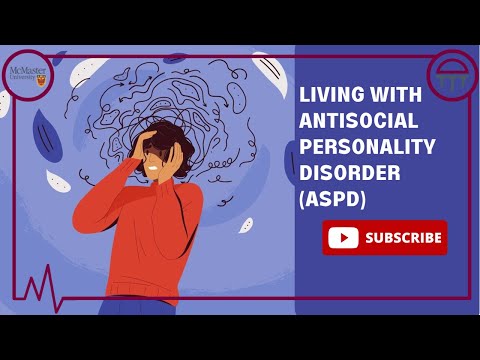
You know, life can throw some pretty tricky curveballs our way. One of them might be finding out someone you know has Antisocial Personality Disorder (ASPD). It’s not exactly a walk in the park, right?
So, what’s it all about? Well, imagine someone who has a hard time figuring out social cues and feelings. That’s like trying to navigate a maze blindfolded. Frustrating, isn’t it?
But it’s also way more complex than that. This isn’t just a label; it’s an experience that affects both the person with ASPD and everyone around them. So, how do you deal with that?
We’ll chat about all this and more—like what ASPD feels like from the inside, how it can impact relationships, and what steps can help all parties involved. Stick around; it’s gonna be an eye-opener!
Effective Strategies for Coping with Antisocial Personality Disorder in Relationships
Navigating relationships with someone who has Antisocial Personality Disorder (ASPD) can be pretty challenging. If you’re dealing with this, you’re likely facing a lot of intense emotions and situations. This isn’t about labeling anyone; it’s about understanding how to cope and maintain some balance in your life.
First things first, understanding ASPD is crucial. It’s characterized by persistent patterns of disregard for the rights of others, and that can show up in behavior that’s impulsive or even manipulative. The thing is, they often have difficulty recognizing the impact of their actions on others, which can leave you feeling pretty confused or hurt.
To cope effectively in these relationships, communication is key. Set clear **boundaries**—that means being honest about what you’ll accept and what you won’t. For example, if your partner tends to make decisions without considering your feelings, it’s okay to say something like, “I need to be involved in decisions that affect both of us.” This helps maintain respect and keeps the lines open.
Another important strategy is practicing **self-care**. Look, if you’re emotionally drained or stressed out because of the relationship dynamics, take some time for yourself. That could mean diving into a hobby you love or spending time with friends who lift your spirits. It’s not just okay; it’s necessary!
Keep an eye on your **emotional responses**, too. People with ASPD might provoke reactions intentionally or unintentionally—like arguing for no reason or dismissing your feelings altogether. Being aware of how their behavior affects you will help in responding calmly instead of reacting impulsively out of frustration.
Stay connected with someone who understands what you’re going through—a therapist or a support group can be invaluable here. You might feel isolated at times; talking to folks who get it can really lighten that load.
So yeah, another strategy? Be patient but also realistic about change. Those with ASPD may not change overnight—or at all—so manage your expectations wisely. Patience can go a long way in understanding their perspective without sacrificing your own mental health.
And if things get really uncomfortable? Don’t hesitate to reassess the relationship’s viability for your wellbeing. Sometimes love isn’t enough to heal fundamental issues; prioritizing your mental and emotional health should always come first.
In summary: coping with Antisocial Personality Disorder in relationships takes effort but remember that there are effective strategies out there! If you sustain boundaries, prioritize self-care, recognize emotional triggers, seek support from trusted sources, and know when it might be time to step back—you’re setting yourself up for healthier interactions overall! Keep holding onto hope; it does make a difference!
Understanding ASPD: Can Individuals with Antisocial Personality Disorder Be Good People?
So, let’s talk about Antisocial Personality Disorder, or ASPD for short. It sounds heavy, right? Well, it’s a complex issue that involves a pattern of disregard for others’ feelings and rights. People with ASPD often struggle with things like empathy and guilt. But here’s the kicker: does that mean they can’t be good people?
First off, ASPD is not just about being a «bad person.» It involves behaviors like lying, impulsivity, and sometimes even aggression. But here’s where it gets tricky: personality disorders exist on a spectrum. Some folks may show mild traits while others might have more severe issues. So it’s not all black and white.
Now you might wonder if someone with ASPD is capable of change or having good qualities. The truth is, it varies from person to person. Some individuals with ASPD can form relationships and even care for their loved ones in their own way—although it might look different than how most people express care.
Think of someone you know who has a rough exterior but helps out at the local shelter or is really loyal to their close friends. You see what I mean? They may have struggle with certain behaviors but still do good things when it counts. That doesn’t excuse bad behavior but shows there’s a more nuanced picture here.
- Empathy: Individuals with ASPD often have limited empathy. However, some can feel emotional connections in specific situations or towards certain people.
- Relationships: They might form attachments but struggle with maintaining them due to impulsive decisions or lack of commitment.
- Coping Mechanisms: Many learn to adjust their behaviors over time with support, therapy being one of those tools that can really help.
Anecdote time! A friend once told me about his brother who has ASPD. He said his brother could flip between being super charming and then behaving recklessly without thinking twice about how others felt. One day he volunteered at an animal rescue—and he was incredible! He showed genuine kindness toward the animals there. The family was surprised to see that side of him because it wasn’t something they expected from him based on his past actions.
This brings us back to the core question: Can individuals with Antisocial Personality Disorder be good people?. The answer is yes—and no—it really depends on the individual circumstances and their willingness to work on themselves.
You see? Goodness comes in different shapes and sizes, even if it’s wrapped up in some pretty complicated behavior patterns!
Understanding the Challenges of Treating Antisocial Personality Disorder: Key Insights
Antisocial Personality Disorder (ASPD) can really be a tough nut to crack when it comes to treatment. You see, this disorder is all about a pattern of disregard for other people’s feelings and rights. If you’re navigating life with ASPD, or you know someone who is, understanding these challenges can be super important.
First off, one of the biggest hurdles is lack of insight. Many people with ASPD might not even recognize that they have a problem. They might see themselves as misunderstood or just «living life their own way.» This makes therapy tricky because if someone doesn’t think they need help, they probably won’t engage in treatment.
Another challenge? Those impulsive behaviors. People with ASPD often struggle with controlling their impulses, which can lead to risky decisions or actions that harm others. Imagine being in a situation where you feel the urge to act without really thinking about the consequences. That can create chaos in therapy sessions and everyday life.
- Therapeutic relationship: Building trust can be like pulling teeth. Since individuals may have a history of manipulation, therapists might find it tough to establish an honest rapport.
- Treatment compliance: Even when someone begins therapy, sticking with it can be hard. It’s easy to get bored or feel like the therapist isn’t telling them what they want to hear.
- Co-occurring disorders: Often, people with ASPD may also struggle with things like substance abuse or depression. These extra layers make treatment even more complex.
Medication isn’t usually the go-to approach, but there are times when things like mood stabilizers or antidepressants could help manage some symptoms. Still, it’s not a magic fix—meds alone won’t tackle underlying personality traits.
Here’s something interesting: cognitive-behavioral therapy (CBT) sometimes gets mixed results. On one hand, it focuses on changing thought patterns and behaviors; on the other hand, some individuals may manipulate these techniques for personal gain instead of genuine change.
Now picture this: imagine someone who’s spent years living by their own rules, feeling invincible and unchangeable. They walk into a therapist’s office thinking they’ll just breeze through sessions without having to truly reflect or change anything about themselves. This mindset creates a barrier that traditional therapies just can’t easily breach.
So what’s the takeaway? Treating Antisocial Personality Disorder involves acknowledging multiple complexities—from poor self-awareness to impulsivity—and requires patience and tailored approaches from mental health professionals. Understanding these challenges helps everyone involved—therapists and patients alike—navigate this tough path together.
Navigating life with Antisocial Personality Disorder (ASPD) can feel like walking a tightrope. It’s tough, and honestly, it often leaves people feeling isolated. Imagine being at a party where everyone laughs and shares stories while you’re just standing there, not really connecting. That’s how ASPD can be – like being in the room but not really part of it.
People with ASPD often have a hard time understanding emotions or social cues. You might look around and see others bonding over their experiences, but you feel almost robotic. Like, “What’s wrong with me?” It’s not that you don’t want to engage; sometimes, it just feels impossible. You know?
You could be cruising through life, charming everyone one moment and then facing consequences the next. Maybe you joke around but struggle to grasp the weight of your words. A friend might say your joking nature makes it hard to trust you—they don’t know if you’re serious or just playing around. That can sting.
And then there’s this other side that people don’t always recognize – the anger or resentment that builds up when things don’t go your way. It can explode unexpectedly, leading to conflict in relationships or even at work. One day you’re laughing with someone, and the next day they’re upset because you didn’t see how your words made them feel small.
Honestly, reaching out for help is tricky too; therapists might seem daunting at first. They ask questions that make you face feelings you’d rather avoid – feelings of guilt and shame about past actions or relationships lost due to reckless behavior.
Still, finding someone who gets it can be life-changing! Picture this: You’re sitting across from someone who doesn’t judge but genuinely wants to understand your world. It sounds comforting, right? With time (and some hard work), therapy could help create strategies for managing impulsive behaviors or improve how you connect with others.
So navigating life with ASPD isn’t simple—it’s a wild ride filled with ups and downs. But recognizing the complexities in yourself is like shining a light into dark corners—slowly uncovering parts of yourself that deserve a chance to grow beyond those labels society sticks on us.
If someone close to you has ASPD, offer them patience and understanding—it might just mean the world to them!