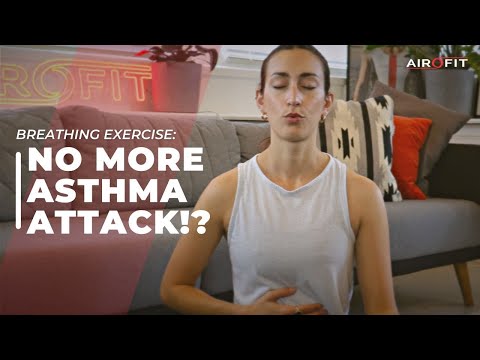
Hey there! So, you know those moments when your chest feels tight, and you just can’t catch your breath? Yeah, asthma can be a real party pooper.
But guess what? There are some breathing exercises that can seriously help calm things down. It’s like having a little toolkit right in your pocket!
Imagine being able to find a moment of peace during those frantic times. That’s what we’re talking about here. It’s not just about surviving the asthma attack; it’s about finding your zen amidst the chaos.
Let’s chat about how some simple breathing techniques can make a world of difference when things get tough. You in?
Effective Breathing Exercises for Asthma Relief Without an Inhaler
Breathing exercises can be really beneficial, especially if you’re dealing with asthma. And yeah, getting your breath back during an asthma attack is super important. When you’re feeling that tightness in your chest or struggling for air, it can be downright terrifying. But the good news is that there are some effective techniques to help you calm down and breathe easier.
First off, let’s look at a basic technique called **diaphragmatic breathing**. This one’s all about using your diaphragm properly. Instead of just breathing from your chest—like most of us do when we’re stressed—you want to focus on deep, full breaths.
To practice this:
- Find a comfy position, whether that’s sitting or lying down.
- Place one hand on your belly and the other on your chest.
- Inhale slowly through your nose for about four counts, feeling your belly rise while keeping your chest still.
- Hold your breath for a moment.
- Exhale gently through pursed lips for about six counts, letting your belly fall.
This helps reduce anxiety and lets more air flow into your lungs.
Another technique you might find helpful is **pursed lip breathing**. Seriously, it’s like magic when you feel that panic creeping in. This method keeps airways open longer and makes it easier to breathe out.
Here’s how to do it:
- Breathe in slowly through your nose for two counts.
- Pucker up those lips—a bit like you’re going to whistle—and exhale slowly through them for about four counts.
It slows down how quickly you’re breathing and gives those lungs a chance to release trapped air.
Now let’s talk about something called **box breathing** or square breathing. This one’s really cool because it brings in a visual element—that’s comforting when you’re feeling overwhelmed.
To try this:
- Breathe in deeply through your nose for four seconds.
- Hold that breath for another four seconds.
- Exhale slowly through the mouth for four seconds.
- Hold again for another four seconds before inhaling again.
You see? You’re creating a nice rhythm which can help ease tension. Imagine drawing a box in the air as you breathe—up one side as you inhale, across the top holding the breath, down the other side while exhaling, and across the bottom holding again.
Lastly, don’t forget about simply **focusing on relaxing** those shoulder muscles while you’re practicing these techniques. Tension can make everything feel worse during an asthma attack. Just think about releasing that tightness!
You know what? Breathing exercises aren’t just about physical relief; they also create mental calmness when anxiety kicks in during an asthma episode. It can be scary at times; I remember my friend having a panic attack during an exercise class once—they weren’t even asthmatic but just felt like they couldn’t breathe! Once they focused on slowing down their breaths with some of these techniques—it was like flipping a switch.
So remember: whether it’s diaphragmatic breathing, pursed lip breathing or box breathing—these methods aren’t just fancy words; they’re tools you can use when trying to manage those intense moments without relying solely on an inhaler. Practice them regularly so they become second nature—you know?
Effective Breathing Exercises to Alleviate Asthma Attacks and Improve Respiratory Health
Breathing exercises can be a real game changer for people dealing with asthma. When you’re in the middle of an asthma attack, it can feel like the walls are closing in. Your chest gets tight, and even a simple breath feels like a marathon run. The good news? There are techniques you can use to help manage those panic-filled moments and improve your overall respiratory health.
First off, let’s talk about diaphragmatic breathing. This one’s pretty cool because it shifts your focus from shallow chest breathing to deeper belly breaths. Here’s how to do it:
Try to keep this going for a few minutes. You’ll probably notice that your body feels calmer after just a couple of cycles.
Another method is called pursed-lip breathing. It’s like having a little safety net when things get tough:
This technique slows down your breathing rate and keeps airways open longer, which is pretty sweet during an attack.
Now, why do these exercises matter? Think about it: when you’re feeling anxious or panicked during an asthma attack, these techniques give you something concrete to focus on. You’re redirecting that spiral of anxiety back towards something calming and controlled.
It’s kind of like when my buddy Mike had his first asthma incident. He was so scared—heart racing and gasping for air. But once he remembered the diaphragmatic breathing his doctor taught him (after many months of struggling), he calmed down enough to help himself out of that tumultuous space. It was a major «aha» moment for him!
And let’s not forget mindfulness meditation. While not exactly a breathing exercise, combining mindful awareness with deep breaths can set the tone for better respiratory health overall:
Even just five minutes can make a difference!
These breathing exercises aren’t just about getting more air into your lungs—they’re also about shifting from that frantic “fight-or-flight” mode back into relaxation mode. You want peace during those moments when every breath feels like climbing Everest.
Incorporating these exercises regularly can also improve lung capacity over time. Consistency is key here! So whether you do them daily or just when you’re feeling wheezy, they’ll work wonders if you stick with them.
The thing is, mastering these techniques takes practice but gives back way more than what you put in. With each breath taken thoughtfully, you’ll find yourself more empowered—and that’s something worth working towards!
Effective Breathing Exercises for Asthma: Free PDF Guide for Better Lung Health
Asthma can be a real challenge, right? And when you throw in an asthma attack, it can feel super overwhelming. But here’s the thing: learning to breathe properly can make a huge difference. Seriously! Let’s chat about some effective breathing exercises that might help you find more calm during those tough moments.
Diaphragmatic Breathing is one of the big ones. This technique helps you use your diaphragm effectively, which means you’ll take deeper breaths instead of quick, shallow ones. To try it, sit comfortably or lie down. Place one hand on your chest and the other on your belly. Take a slow breath in through your nose, feeling your belly rise while keeping your chest still. Exhale slowly through pursed lips. It might feel weird at first, but stick with it!
Another solid option is Pursed-Lip Breathing. This one’s super simple and can help slow down your breathing pattern during an attack. Just inhale deeply through your nose for about two seconds—then exhale through pursed lips for four seconds or longer. Think of blowing out birthday candles but slower! This method can also increase the amount of air that stays in your lungs.
Oh, and don’t forget about deep breathing exercises combined with visualization! Imagine you’re at a beach or in a peaceful forest while focusing on long, deep breaths. Picture each inhale as fresh air filling you up and each exhale releasing tension or any heaviness in your chest. Not only does this help with the physical act of breathing, but it also calms that racing mind—like a mental vacation.
Here are some quick reminders to keep in mind:
- Practice Regularly: Try incorporating these exercises into your daily routine.
- Stay Calm: The more relaxed you are before an attack, the easier it will be to manage.
- Know Your Triggers: Understanding what brings on an attack can help you prepare.
Finding time to practice these techniques when you’re not feeling stressed could really pay off later when things get difficult. Just remember: if things ever feel too heavy or scary during an asthma attack, don’t hesitate to reach out for medical help.
It’s all about creating a toolbelt of strategies to lean on when you’re struggling—so go ahead and give these breathing exercises a shot! Your lungs will thank you!
Alright, let’s talk about breathing exercises, especially when it comes to asthma attacks. I remember a friend of mine who had asthma, and he used to get super anxious whenever he felt that familiar tightness in his chest. It was almost like a snowball effect—he’d start to panic, and that made everything worse. But then he discovered some breathing techniques that really helped him find calm in those moments.
When you’re having an asthma attack, your body goes into fight-or-flight mode, right? It’s like your brain is screaming, “Get air NOW!” But taking a moment to focus on your breath can actually help slow things down. Seriously! Think about it: when you’re anxious or panicked, your breath gets shallow and quick. That just adds fuel to the fire.
Breathing exercises encourage you to draw in deep breaths and exhale slowly. It’s kind of like giving your nervous system a little hug. One exercise that can be particularly helpful is the “diaphragmatic breathing.” Basically, you sit or lie down comfortably and place one hand on your chest and the other on your belly. When you breathe in through your nose, aim to make that belly rise instead of the chest. Then as you exhale through pursed lips (like you’re blowing out birthday candles), let that belly fall back down.
This practice not only helps get more oxygen into your lungs but also calms your mind down too! And here’s the cool thing: with regular practice outside of crisis moments, it can become second nature during an attack.
Of course, if an attack feels serious or isn’t easing up quickly enough, don’t hesitate—grab your rescue inhaler or seek help immediately! But having these breathing techniques in your back pocket? Super valuable! They can offer both mental calm and physical relief when you need it most.
So yeah, if you or someone you know deals with asthma, maybe suggest these exercises? They could be life-changing in those scary moments! Just remember—it takes practice. Like anything else worth pursuing in life!