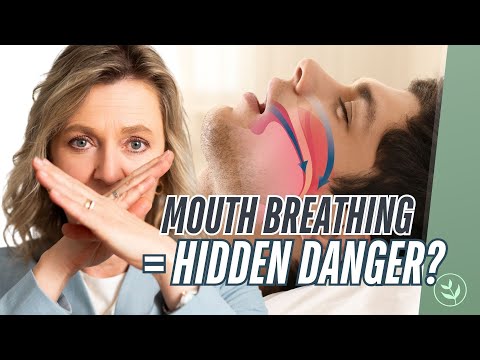
You know, it might sound a bit odd, but mouth breathing can mess with more than just your breath. Seriously. For those battling asthma, it’s like adding an extra layer of complexity to an already tough situation.
Imagine trying to catch your breath, but every inhale feels a bit off. It’s frustrating, right? Well, that’s the thing. Mouth breathing isn’t just about air; it can mess with your mind, too.
It’s not just about being uncomfortable. There’s a whole psychological side to this. Anxiety and stress can creep in when you’re struggling with asthma and mouth breathing.
So let’s chat about it—what it does to your mood and how you feel day-to-day. Because understanding this connection could be a big relief for many folks out there!
How Mouth Breathing Affects Asthma: Understanding the Connection for Better Respiratory Health
Mouth breathing might seem like no big deal, but when it comes to asthma, it can actually play a pretty significant role. You see, asthma is all about how your airways react to different triggers. But breathing through your mouth instead of your nose can mess with that process in a few ways.
First off, the nose is made for breathing. It filters and warms the air before it hits your lungs. When you breathe through your mouth, you skip all those benefits. This can lead to cold or dry air entering the lungs, which may irritate them even more. If you’ve ever felt that scratchy feeling in your throat after a long day of mouth breathing, you know what I mean.
Another thing is that mouth breathing can lead to less oxygen absorption. The nasal passages are lined with tiny hairs and mucus that help trap dust and allergens. Without this protection, you’re more likely to inhale things that could trigger an asthma attack, like pollen or mold spores.
There’s also the psychological side of things. Imagine trying to catch your breath during an asthma attack while realizing you’ve been inhaling dry air all day! That’s enough to make anyone feel anxious or frustrated. Anxiety itself can tighten up those airways even more, which is like throwing fuel on a fire.
Also, mouth breathing has been linked to poor sleep quality, which we all know doesn’t help anyone’s mental health or physical well-being. If you’re constantly waking up at night because you’re gasping for air or dealing with dry throat discomfort—yeah, that’s no fun and makes everything feel worse.
Lastly, if you’re dealing with both asthma and mouth breathing regularly, it can create a vicious cycle. Poor airflow might make you more prone to attacks, leading to increased anxiety about having an attack—pretty stressful stuff!
So yeah, if you’ve noticed yourself or someone else constantly breathing through their mouth—especially while sleeping—it might just be worth chatting with a healthcare professional about some options for improvement. Getting back into proper nasal breathing could help manage asthma better while also boosting overall psychological well-being.
In short:
- The nose filters and warms the air.
- Mouth breathing can irritate the lungs.
- Less oxygen absorption happens without filtering.
- Anxiety from struggles increases attack likelihood.
- Poor sleep affects mental health negatively.
It’s all connected!
Exploring the Psychological Impact of Asthma: Understanding Mental Health Challenges
Asthma is more than just a physical condition. It can seriously mess with your mind, too. The constant worry about breathing difficulties can create a whole host of psychological challenges. Think about it: you’re out at a party, having fun, and suddenly you feel that tightness in your chest. Panic sets in. This isn’t just about your lungs; it’s also about your mental state.
Mouth breathing is often a thing for people with asthma. You know how when you can’t breathe through your nose, you instinctively start breathing through your mouth? Well, that can lead to even more issues like feeling anxious or stressed out. You might feel embarrassed or self-conscious about how you breathe in front of others. That kind of social anxiety can really take its toll.
- Anxiety and Asthma: Managing asthma requires constant attention to triggers and symptoms. This persistent vigilance can lead to heightened anxiety levels. Imagine feeling like you’re always on edge, waiting for an asthma attack.
- Depression Risks: Chronic health conditions often come hand-in-hand with depression. The limitations asthma puts on daily life—like skipping a hike with friends—can leave you feeling low or unmotivated.
- Sleep Challenges: Nighttime asthma symptoms might disrupt sleep, leading to fatigue and irritability during the day. It’s hard to stay positive when you’re running on empty!
- Coping Mechanisms: People might find themselves avoiding certain activities or situations due to fear of an asthma attack. This avoidance leads to isolation and can deepen feelings of loneliness.
Your buddy Sarah has asthma and always loved running until she had an attack mid-race one day. Now? She avoids it like the plague! It’s sad because what used to bring her joy now makes her feel anxious just thinking about it.
The weird thing is that these mental health challenges can create a bit of a vicious cycle: anxiety increases asthma symptoms, which then leads to more anxiety—it’s exhausting! That’s why handling both the physical and mental aspects of asthma is super important.
Understanding these connections helps in finding solutions. Therapy—like cognitive-behavioral therapy (CBT)—can help people manage their fears around asthma attacks better while teaching coping skills for anxiety or depression. Plus, support groups are great for sharing experiences with others who get it.
You see? Asthma isn’t just something that affects your body; it’s part of this bigger picture involving mental health too! So if you’re dealing with both issues, be sure to reach out for help—it’s okay to talk about how hard it is sometimes!
Understanding the Psychological Impact of Asthma: Navigating Mental Health Challenges
Everyone knows asthma can be tough on the body, but not everyone realizes it can mess with your head too. Yeah, seriously! When you have asthma, the way you breathe — or struggle to breathe — can really shake up your mental health. Let’s unpack this a bit.
Asthma isn’t just a physical condition; it can lead to a bunch of psychological challenges. When you’re constantly worried about your next attack, you might feel anxious or even panicky. Like, if you’re out at a party and feel that tightness in your chest, your mind might race with thoughts of getting home or finding an inhaler. Those moments are no joke!
- Fear and Anxiety: Living with asthma often brings a cloud of fear. People might start avoiding activities they love because they’re scared it’ll trigger an attack. Imagine feeling nervous just about heading to the gym because what if you can’t catch your breath? That fear can make you shy away from social situations.
- Feeling Isolated: Let’s be real; asthma can make you feel kinda alone sometimes. It’s like you’re in a club that nobody else wants to join! While everyone else is enjoying the outdoors, you’re sitting out due to allergies or air quality concerns.
- Low Self-Esteem: If asthma keeps you from keeping active or participating in sports, it’s easy to feel like you’re missing out. That can really hurt your self-esteem over time. You might think: «Why can’t I just do what others do?»
- Depression: Chronic conditions like asthma can increase the risk of depression too. If someone is constantly struggling for breath, it might lead them into a cycle where they’re feeling low and drained all the time.
Now think about mouth breathing specifically — a common scenario for people dealing with asthma because they may need to compensate for airflow issues. Mouth breathing isn’t just awkward; it has its own set of repercussions that may impact mental health.
For one thing, breathe through your mouth, not only changes how oxygen enters your body but also affects how you feel overall. It can lead to dry mouth and bad breath which might damage social interactions and lower confidence levels.
Stress levels could jump as well when someone realizes they’ve started mouth breathing during an episode – leading to more anxiety about their condition!
The thing is, these psychological impacts don’t just sit there quietly; they often work hand-in-hand with physical symptoms, making everything feel even heavier.
But what’s crucial here is that there are ways to tackle these challenges head-on! Therapy isn’t just for extreme situations; sometimes talking about these feelings with someone who gets it really helps lighten that load.
You could also learn some coping strategies—like breathing exercises specifically designed for people with asthma—that help ease both mental strain and physical symptoms.
So yeah, while asthma’s got its fair share of physical struggles, it’s key not to overlook how it’s affecting the mind too. Recognizing this connection is super important in navigating through both emotional ups and downs alongside those pesky episodes of breathlessness.
You know, mouth breathing is something we often don’t think about much, but it can actually have pretty significant effects on people with asthma. I mean, it’s not just about how someone breathes; it’s about how they feel physically and emotionally too.
Like, picture this: you’re sitting in class or at work, struggling to catch your breath because your airways are acting up. You might feel a wave of anxiety hit you because you’re worried about having an asthma attack right in the middle of everything. It’s tough! The thing is, when you breathe through your mouth instead of your nose, it can make asthma symptoms worse. Your airways might get irritated even more because the air isn’t filtered or warmed properly.
I remember a friend of mine who dealt with asthma for years. He always breathed through his mouth during workouts and found himself wheezing more often than not. It got to a point where he felt defeated every time he tried to exercise; it was disheartening to say the least. He talked about how that constant struggle made him feel really self-conscious—like he couldn’t keep up with everyone else and was just holding people back.
And let’s be real for a second: that kind of stress can mess with your head. Mouth breathing may lead to dry mouth and bad breath, which only adds another layer of anxiety when you’re around others. It’s exhausting! On top of all that physical stuff, there’s also the emotional weight—fearing attacks or feeling embarrassed can spiral into feelings like low self-esteem or depression.
When people are aware of these links between mouth breathing and their asthma symptoms, they might find some relief by focusing on nasal breathing techniques through mindfulness or breathing exercises. Seriously! Like retraining yourself to shift towards healthier habits can really change the game.
So yeah, the psychological effects can be pretty intense for those dealing with asthma while wrestling with the habit of mouth breathing. It’s all interconnected—your body and mind are like best friends in this journey navigating health challenges together. If you’re experiencing similar struggles, talking to a healthcare professional could really help shed some light on what works best for you in managing both the physical and emotional aspects of it all.