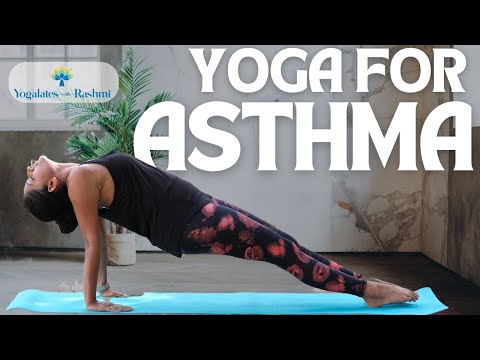
Hey there! So, let’s chat about something you might not expect: yoga and asthma. I get it; when you think of asthma, yoga isn’t the first thing that pops to mind. But here’s the deal: it can actually help.
Imagine breathing easier and feeling more in control. That’s what some simple yoga moves can do for you. Seriously, I’ve seen it work wonders for folks struggling with tight chests and wheezy breaths.
And it’s not just about the physical stuff. Yoga also taps into that mental side of things—like building resilience. You know, learning to stay calm even when life throws some curveballs your way? It’s all connected!
So, if you’re curious about how a few stretches and breath techniques could change your game, stick around! You might be surprised at what you discover.
Discover How Yoga Benefits Asthma Sufferers: Key Techniques for Better Breathing
Asthma can be a real pain, can’t it? You’re just trying to enjoy life, and suddenly you’re gasping for breath. But yoga might actually help with that. It’s not just about fancy poses; it’s like a toolkit for better breathing and mental resilience.
One of the first things to understand is how yoga focuses on *breath control*. When you practice, you learn to manage your breathing patterns. This can help reduce anxiety and stress, both of which can trigger asthma symptoms. When you feel calmer, your body reacts differently. You know that feeling when you take a slow, deep breath? Yeah, that!
Now, let’s break down some key techniques:
- Pranayama: This is all about breath regulation. Techniques like *Ujjayi* (victorious breath) or *Nadi Shodhana* (alternate nostril breathing) can expand lung capacity and improve oxygen flow.
- Gentle Poses: Think about poses that enhance lung capacity without overexertion. Things like *Cat-Cow* or *Child’s Pose* are great for this.
- Mindfulness: Yoga encourages mindfulness through meditation practices. Focusing on the present moment reduces stress levels—abracadabra! Less stress means less chance of an asthma flare-up.
Seriously, consider how easy it is to get caught up in worries about what might happen next or what happened before. Yoga reminds you to stay grounded in the now.
I remember a friend with asthma who was always anxious about her next asthma attack—totally understandable! She started attending a weekly yoga class and began practicing those breathing techniques at home. Over time, she noticed she was less stressed during the day and had fewer nighttime flare-ups. That early morning calm made such a difference in her life.
Equally important are specific styles of yoga that cater well to people with asthma—like Hatha or Yin Yoga, which focus on gentle stretches paired with controlled breathing rather than intense physical exertion.
Another cool aspect of yoga is its community vibe. Being around others who understand what you’re going through can totally boost your motivation and mental resilience.
So, if you’re looking to breathe easier while boosting your mental strength, why not give yoga a shot? It’s all about finding what works best for you—and trust me, the journey toward better breathing can be empowering!
Natural Remedies: How I Successfully Managed My Asthma Without Medication
Sure thing! Let’s talk about managing asthma naturally and how yoga can play a role in that. Remember, though, everyone’s journey is a bit different.
Asthma can feel like a roller coaster sometimes. There are days when you breathe easy, and then suddenly, you’re gasping for air. It’s tough. Managing it often means relying on medications, which can be effective but might not always feel right for everyone. Some folks seek out natural remedies as alternatives or complements to medication.
One way people explore this is through yoga. It’s not just about twisting your body into pretzel shapes; it’s also about breathing and pushing back against that sense of panic when asthma hits. Deep breathing techniques learned in yoga can help you control your breath during an attack. That kind of focus helps shift your attention from the struggle to something more calming.
Here’s where mental resilience comes into play. Getting into a regular yoga practice has been shown to improve overall well-being, including enhancing your mental state during those challenging moments with asthma.
Here are some aspects of using yoga for asthma relief:
You might think this all sounds nice, but does it really work? Well, I’ve heard stories from people who say incorporating yoga helped them feel more in control of their bodies rather than being completely reliant on inhalers alone. For example, someone I know found that practicing every morning boosted her confidence in handling potential triggers throughout the day.
The key here is consistency. Like building muscle at the gym, practicing regularly creates real progress over time. Many people who use yoga as part of their routine find they have fewer flare-ups, plus they experience an overall boost in mood and energy levels.
What’s interesting too is that engaging in this holistic approach isn’t just about physical benefits; it really feeds into emotional wellness and resilience. You start feeling better empowered against anxiety or fear regarding asthma attacks because you’ve got tools at your disposal—like deep breathing techniques or grounding exercises from yoga.
That said, if you’re considering taking this route to manage your asthma symptoms more naturally, definitely connect with healthcare professionals who understand both your condition and any holistic practices you want to explore together.
Remember: Every person is unique! What works for one might not work for another—but being open-minded toward options like yoga could lead you down a path that’s not just healthier for your lungs but also enlightening for your mind!
Enhance Your Breathing: Effective Yoga Poses for Asthma Relief (With Inspiring Images)
Breathing is something we often take for granted, but when you have asthma, it’s a whole different ball game. You know that feeling when your chest gets tight and each breath feels like a struggle? Yeah, that can really throw a wrench in your day. But here’s the thing: yoga can be a game changer for many people dealing with asthma. It’s not just about the poses; it’s about that beautiful connection between body and mind.
Let’s talk about how yoga helps. First off, yoga promotes relaxation. When you’re calm, your body tends to do better with everything—especially breathing. Stress can trigger an asthma attack. So finding ways to chill out is super important.
Now, onto some poses you might want to try:
- Cat-Cow Pose: This one really opens up your chest and helps with deep breathing. As you inhale in Cow Pose, lift your head and tailbone while letting your stomach drop toward the floor. Then exhale into Cat Pose by arching your back.
- Child’s Pose: It may look simple, but it’s so effective! Sitting back on your heels while stretching your arms out in front allows for gentle stretching of the rib cage and promotes diaphragmatic breathing.
- Seated Forward Bend: When you bend forward from a seated position, it encourages airflow into your lungs. Plus, it helps release tension from the back and shoulders – areas where we often hold stress without realizing it!
- Pigeon Pose: This one may seem daunting at first but opens up hip areas where tension can build up. Deep breaths here can help release tightness in both body and mind.
- Bridge Pose: Laying on your back and lifting your hips encourages blood flow to the chest area as well as strengthens the lungs – two big wins for anyone with asthma.
Now picture this: Imagine being at a packed concert when suddenly someone lights up a cigarette nearby. Your heart races because smoke isn’t exactly friendly to those of us with respiratory issues! A couple of deep breaths—thanks to having practiced some yoga earlier—can bring you back to calm.
It’s not just about physical poses; what happens mentally is huge too. Enhancing mental resilience through yoga means you train yourself to deal better with anxiety around asthma triggers. By being mindful during practice, you’ll learn to recognize when you’re feeling panicked or anxious—and that awareness alone helps break that cycle!
Remember though: always listen to your body. If something feels off while doing these poses or if you’re in the middle of an asthma attack, stop immediately and take care of yourself first.
Incorporating these practices into your routine might take some time but could ultimately help make everyday life feel more manageable—less like you’re facing an uphill battle every time you go outside or get active.
So give these poses a try—you might surprise yourself with how much better you feel! Just remember: it’s all about finding what works best for **you** and creating time for those little moments of peace amidst any chaos life throws at you!
You know, when you think about asthma, the first thing that pops into your head might be inhalers and wheezing, right? But there’s this other side to it that doesn’t get as much attention—like how mental resilience can play a huge role in managing it. Seriously, I’ve seen people with asthma thrive not just by focusing on their lungs but also by tuning into their minds.
So, let me tell you about a friend of mine. She’s been battling asthma since childhood. It was tough for her at first—running in gym class felt like climbing Mount Everest! But over time, she discovered yoga. At first, I thought she was just trying to find a cool way to stretch. But it turned out to be so much more than that. Through deep breathing and mindfulness practices, she learned how to calm her mind and body during those panic-inducing moments.
Yoga has this magical ability to connect breath with movement. This is big for anyone dealing with asthma because when you control your breath—like through pranayama techniques—you kinda take back the power from that overwhelming feeling of not being able to breathe properly. Think about it: feeling anxious often makes asthma worse, right? So when you practice calming techniques in yoga, it’s like building this mental fortitude against stress triggers.
And it’s not just about managing symptoms; it’s about changing your whole mindset toward your condition. Instead of feeling like a victim or scared of an attack at any moment, yoga helped my friend shift her focus to what her body could do rather than what it couldn’t. It’s empowering! Imagine stepping off the mat after a session feeling lighter and more confident.
Truth is, mental resilience is like a muscle—it gets stronger the more you use it! So integrating yoga into an asthma management plan doesn’t only help during an episode; it prepares you mentally for life’s other challenges too. My friend often says the real victory isn’t just in breathing through poses but also in carrying that peace into her everyday life.
So yeah, if you’re dealing with asthma or know someone who is, maybe consider giving yoga a shot—not as a substitute for medical treatment but as an added layer of strength that could make facing your fears just a bit easier. It’s all connected: mind and body working together for better health. Can’t hurt to try!