You know how some people find it super easy to connect with others? Like, they just seem to get relationships.
Then there are those who struggle a bit more, feeling distant or anxious when it comes to bonding. That’s where attachment disorder comes in.
It’s all about how we connect—or sometimes don’t connect—with the people around us.
Imagine being a kid who doesn’t really trust that caregivers will be there when needed. Kind of rough, right?
Let’s chat about what attachment disorder is, why it matters, and some insights that might help you understand this whole thing better. Ready?
Understanding the Root Causes of Attachment Issues: Insights into Mental Health
Understanding the root causes of attachment issues can feel like wandering through a maze. But when you break it down, it starts to make sense. At the heart of attachment issues are our earliest relationships—especially with caregivers.
When you think about it, these early bonds shape how we see ourselves and relate to others. If a caregiver is responsive and nurturing, you generally develop a secure attachment. But what if they’re inconsistent or neglectful? That’s where things can get complicated.
Attachment theory tells us there are mainly four styles: secure, anxious, avoidant, and disorganized. Each style reflects different ways we learned to connect—or not connect—with others.
- Secure attachment: This usually stems from warm, consistent interactions with caregivers. You feel safe and valued in relationships.
- Anxious attachment: If caregivers were unpredictable, you might worry about their availability or love. This can lead to clinginess or fear of abandonment.
- Avoidant attachment: This often arises from caregivers who were emotionally unavailable. You may struggle to get close to others and prefer independence.
- Disorganized attachment: A mix of both anxious and avoidant styles, this usually occurs in chaotic environments where caregivers are also a source of fear.
Growing up in a chaotic home environment can really mess with your sense of security. For instance, imagine a kid whose parents argue all the time or who faces neglect during key moments—like when they need comfort after a bad day at school. They might learn that relationships aren’t reliable, which lays the groundwork for issues later on.
And it’s not just about parents; other significant adults—like teachers or babysitters—can impact this too. If someone you trust lets you down repeatedly, it shakes your foundation.
Let’s talk brain chemistry too! Stress during those formative years can alter how your brain develops. For example, chronic stress impacts areas like the amygdala (which controls emotions) and the prefrontal cortex (involved in decision-making). So if your experiences have been turbulent early on, your brain might be wired differently than someone who had a stable upbringing.
Interpersonal experiences don’t just end at childhood; they continue throughout life. So maybe you had one bad breakup that made you wary of future relationships? Or perhaps some friendships left you feeling undervalued? Each experience builds on past ones—reinforcing those original attachments or creating new patterns.
It’s important to recognize that these issues don’t define you forever. They’re like old habits; knowing where they come from is the first step toward change. Therapy can help untangle these complex threads by offering support while helping reshape how you view connections with others.
So when it comes down to life’s little puzzles around attachment issues, understanding their roots is key for better mental health journeys!
Understanding Attachment Disorders in Psychology: Causes, Symptoms, and Treatment
Attachment disorders can be pretty complex, so let’s break it down together. At their core, these disorders stem from the way we connect with others, especially in childhood. Think of attachment as the emotional bond formed between a child and their primary caregivers. When this bond is secure, kids feel safe and understood. But what happens when that bond is disrupted?
Causes of attachment disorders often trace back to early experiences. If a child faces neglect, abuse, or inconsistent caregiving—like when a parent is often absent or emotionally unavailable—it can skew their ability to form healthy attachments later on. That’s why those initial years are crucial.
- Neglect: Kids may not receive the love or attention they need.
- Abuse: Experiencing physical or emotional mistreatment can shake trust.
- Frequent changes in caregivers: Constantly shifting who takes care of them creates instability.
This leads to a range of symptoms that can look different from one person to another. Some kids might become overly clingy and anxious around others; others might shut down completely and refuse to engage emotionally. It’s like they’ve built walls around themselves to protect from further hurt.
Symptoms of attachment disorders include:
- Difficulties in relationships: They struggle to trust people or may go through cycles of being too needy and then pushing people away.
- Lack of empathy: Understanding how others feel can feel like an uphill battle for them.
- Avoidance behavior: They might distance themselves from situations where emotional closeness is required.
The treatment options for attachment disorders are pretty varied but often require patience and support over time. Therapy is usually at the heart of it all. Approaches like cognitive behavioral therapy (CBT) help people recognize negative thought patterns versus reality, while play therapy can be effective for younger children as it allows them to express emotions through play rather than just words.
A strong therapeutic alliance—basically, a good connection with their therapist—is super important for healing. Imagine going through something tough and not feeling understood; having that solid relationship makes such a difference in feeling safe enough to open up.
The road can be long, but with effort and support, folks dealing with attachment disorders can absolutely learn new ways to connect with others—and maybe even rewrite those early stories into something much healthier and fulfilling! So yeah, understanding this stuff is key for anyone who wants to help themselves or someone close who might be navigating these challenges.
Understanding Attachment Theory in Psychology: Key Concepts and Insights for Mental Health
Attachment theory, seriously, is one of those concepts in psychology that just makes sense when you think about it. Developed by John Bowlby and later expanded by Mary Ainsworth, this theory dives into how our early relationships, especially with caregivers, shape our emotional and social development. You get that? Basically, the idea is that the bonds we form as kids affect how we connect with others throughout our lives.
So, what’s at the heart of attachment theory? Well, it’s all about these **attachment styles**. Here are the main ones that you should know:
- Secure attachment: This is when caregivers are consistently responsive and supportive. Kids with secure attachments feel safe exploring their world and are generally good at forming healthy relationships as adults.
- Avoidant attachment: Here, caregivers are often emotionally distant or unresponsive. Kids learn to suppress their emotions to avoid rejection, making them uncomfortable with closeness later on.
- Anxious attachment: These kiddos have inconsistent caregiving—sometimes their needs are met; other times they’re ignored. This leads to clinginess and fear of abandonment in adult relationships.
- Disorganized attachment: A mix of avoidant and anxious styles often happens in situations where caregivers are frightening or trauma-inflicted. Kids grow up confused about love and safety.
Now let’s get emotional for a sec. Imagine a kid who runs to their mom after scraping a knee. If she picks them up, comforts them, and helps them feel better—that’s secure attachment at work! They grow up trusting others because they learned from an early age that it’s okay to rely on someone else for support.
On the flip side, think about a kid whose caregiver brushes off their tears or gets upset when they express sadness. That kid might start thinking that emotions aren’t safe—sort of like being lost in a big crowd without anyone to guide you back home.
So how does this all tie into mental health? Well, like I said before, these early experiences can lead to **attachment disorders** if not resolved properly. It can show up as difficulty forming healthy relationships or trouble managing feelings in adulthood.
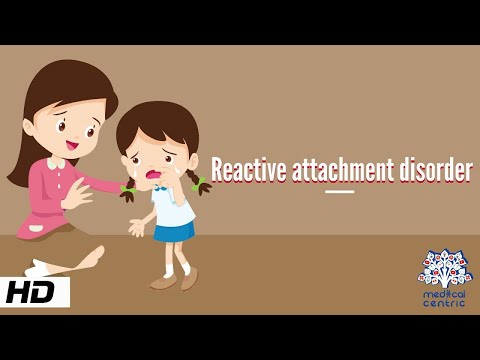
There’s something called **reactive attachment disorder (RAD)** that can develop if a child doesn’t form healthy bonds during those crucial early years. Kids with RAD might seem withdrawn or overly aggressive—not exactly easygoing qualities, right? Understanding this stuff is key for parents trying to raise emotionally healthy kids.
Recognizing your own attachment style can be super helpful too! Imagine you’re dating someone but find yourself freaking out over little things that remind you of past rejection—it could stem from an anxious attachment style you developed as a kid.
Therapy often focuses on helping people understand their attachments and reshape how they connect with others. The goal is not just recognizing these patterns but also learning to make healthier choices in relationships going forward.
Attachment theory offers so many insights into why we do what we do when it comes to love and connection. Seriously—understanding your own style could change your whole perspective on life and relationships! Just remember: it’s never too late to work on building those connections you truly want in your life.
You know, attachment disorder can sometimes sound like a heavy phrase. It’s easy to think it’s just some fancy psychological term that doesn’t really connect to real life. But honestly, it totally does. Basically, it refers to how some people struggle to form healthy emotional bonds with others, often stemming from their early experiences in childhood.
I remember a friend of mine who had a tough upbringing. Her parents were, well, kind of distant and not really emotionally available. She would often joke about her fear of commitment, but behind the laughs, you could see the real pain. She had trouble trusting anyone and found herself pushing people away when they got too close. That’s where attachment disorder comes into play.
There are different types—like anxious attachment or avoidant attachment—and each one can shape how you interact with friends, family, or even partners as you grow up. Those kids who don’t get the consistent love and support they need might end up feeling confused about relationships down the line.
Imagine being in a room full of people but still feeling like you’re on your own island. It’s kind of heartbreaking when you think about it, right? You want connections; you crave those intimate moments but just can’t seem to bridge that gap.
Therapy can be super helpful for folks dealing with this stuff. A good therapist can help unpack those feelings and teach you ways to build healthier attachments moving forward. I’ve seen my friend start working through her issues and it’s been amazing to watch her make progress.
The thing is: understanding attachment disorders isn’t just for psychologists or therapists; it affects so many lives in ways we might not even realize at first glance. So next time you hear someone talking about it—or if you’re going through similar challenges—know that you’re not alone in this journey!