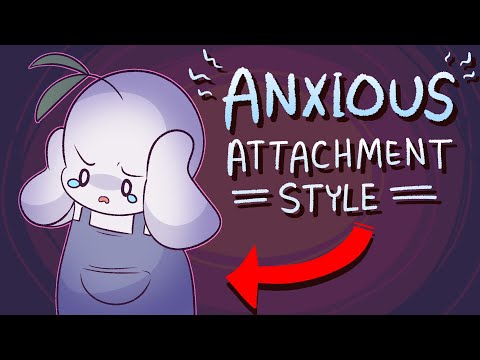
You know how some relationships just feel, well, different? Like, you’re super close one day, and then suddenly it’s like you’re a million miles apart?
Yeah, that’s all about attachment issues. It’s kinda wild when you think about it. These things can sneak in and mess with your head, making you question everything.
I remember my friend Jenna. She would freak out whenever her boyfriend didn’t text back right away. It was such a rollercoaster for her. One minute she felt on top of the world, and the next she was spiraling into doubts.
So, if you’ve ever felt lost in love or wondered why things get complicated so quickly, let’s chat about it. We’ll figure this out together!
Understanding and Overcoming Attachment Issues in Romantic Relationships: A Guide for Children and Teens
Attachment issues can feel pretty confusing, especially when you’re navigating the ups and downs of romantic relationships. Like, one minute everything seems great, and then it all feels shaky. Yeah, it can be tough to figure out what’s going on in your heart and head.
So, attachment styles are basically how you connect with others. They usually form in childhood based on how our parents or caregivers responded to us. There are a few main types:
Think about your own experiences for a second. Maybe you felt super close to someone at first, but when things got tougher, you started pulling back. That’s totally normal! Just know it might connect back to your attachment style.
When it comes to romantic relationships as a child or teen, **overcoming these attachment issues** is all about understanding yourself better. Here are some things that could help:
There was this one time my younger cousin had a crush on someone but kept pulling away every time they got closer. After chatting through it, we realized she just didn’t want to get hurt like she did in the past with friends who let her down. Understanding where those feelings came from really helped her see she didn’t have to repeat those patterns.
Remember that change takes time. You might not flip a switch and suddenly be secure and open; that’s cool, everyone moves at their own pace! Be patient with yourself as you explore these feelings.
Lastly, if things feel really heavy or overwhelming—like waves crashing down—you might wanna consider talking to someone who gets it better than us regular folks do—like a counselor or therapist. They can help guide you through all the tricky stuff.
So yeah, tackling attachment issues isn’t just about fixing something broken; it’s more like discovering parts of yourself that need some extra love and attention!
Understanding and Overcoming Attachment Issues in Adult Romantic Relationships
So, let’s chat about attachment issues in adult romantic relationships. You know, those feelings or behaviors we carry from past experiences into our current connections. They can be pretty complicated, huh? Understanding them can really help you navigate your love life better.
Attachment theory is a framework that describes how we connect with others. It’s rooted in childhood experiences with caregivers. Basically, there are a few types of attachment styles: secure, anxious, avoidant, and disorganized. Each one shapes how you relate to partners as adults.
With secure attachment, you’re generally comfortable with intimacy and independence. You trust your partner and communicate openly. It’s all about balance! Then there’s anxious attachment. If this sounds like you, you might crave closeness but often fear abandonment. You could find yourself needing constant reassurance from your partner.
Next up is avoidant attachment. People here often distance themselves emotionally or struggle with commitment. They value independence to the point where intimacy feels overwhelming. Lastly, there’s disorganized attachment, which can manifest if you’ve experienced trauma or inconsistent caregiving. Those folks might want closeness but feel terrified at the same time.
Imagine this scenario: Sarah has an anxious attachment style because she grew up in a household where her parents were frequently distracted and emotionally unavailable. Now, as an adult in a relationship, she constantly checks in for reassurance from her partner Mike—fearful that he’ll leave her or not love her enough. This creates tension because Mike feels suffocated by Sarah’s demands for attention.
But don’t lose hope! Recognizing these issues is the first step toward change. One way to start overcoming attachment issues is through therapy—especially modalities like cognitive-behavioral therapy (CBT) or dialectical behavior therapy (DBT). These approaches can help you reframe negative thought patterns and develop healthier relational skills.
Another useful exercise is practicing mindfulness—being present in the moment without judgment helps reduce anxiety and makes space for more authentic connections with others. Plus, open communication with your partner is essential! When both people understand each other’s needs and fears, they can work together to create a safe environment for both parties.
You could also look into books or resources that focus on relationships and attachments; they might give you insight into your behaviors and patterns that make things tough sometimes.
In essence, understanding your own attachment style—and learning to adapt it—can lead to stronger romantic connections over time. It’s okay if it takes some work; what matters is you’re willing to engage in the process!
Understanding and Overcoming Attachment Issues in Adult Romantic Relationships
Understanding attachment issues in adult romantic relationships can feel like unraveling a complex puzzle. But once you get the hang of it, it kinda makes sense. So, let’s break this down.
Attachment theory is this idea that our early relationships with caregivers shape how we connect with others later on. If you had secure attachments—like your parents were responsive and loving—you’re likely to be comfortable in relationships. But, if things were rocky back then, you might carry some baggage into adult love lives.
For instance, let’s say you grew up with a parent who was inconsistent. Sometimes they were there for you, sometimes they weren’t. As a result, you might have developed an **anxious attachment style**. This often means you’re craving closeness but are fearful of abandonment. You could constantly seek reassurance from your partner or feel overly jealous when they spend time away.
On the flip side, if your background involved emotional unavailability or neglect, you might show characteristics of an **avoidant attachment style**. People with this style often value their independence so much that they may struggle to get close to others or push partners away when things start getting serious.
Here are some common signs of attachment issues in romantic relationships:
- Clinginess: You might find yourself needing constant validation.
- Fear of intimacy: You desire closeness but run at the first sign of vulnerability.
- Bottling up emotions: Instead of sharing how you feel, you keep it all inside.
- Difficulty trusting others: You may suspect your partner’s fidelity even when there’s no evidence.
Now let’s talk about overcoming these issues because it’s totally possible! First off, self-awareness is key. Recognizing your patterns can help break the cycle; it’s like shining a light on those dark corners of your psyche.
Try talking about your feelings with a trusted friend or therapist—someone who gets it and can guide you through your emotions without judgment. This process helps heal that inner child who felt hurt before.
Also, practice open communication in your relationship. If you’re feeling insecure or anxious, tell your partner! Be honest about what you’re experiencing instead of shutting down or lashing out.
A fun tip? Work on building trust slowly over time; take little steps together that gradually increase intimacy and connection—like sharing secrets or exploring new activities as a couple.
In the end, remember that everyone’s journey is unique. It might take time and effort to work through attachment issues in adult romantic relationships but hey; you’re not alone in this! With patience and support—and maybe a few heartfelt conversations—you can move towards healthier connections where love thrives rather than feels scary.
So don’t give up hope; real change is absolutely possible!
So, let’s chat about attachment issues in romantic relationships. You know how some people seem to cling on tight, while others just can’t seem to let anyone in? Yeah, that’s what we’re talking about.
I remember my friend Jess. She always had this pattern of jumping into relationships but then freaking out when things got serious. Like, she’d be super excited at first—texting all day and planning weekend getaways. But then, out of nowhere, she’d ghost for a bit or suddenly get cold. It was confusing for everyone involved, including her! Eventually, she realized it was all tied back to how she formed connections growing up.
Attachment theory kinda explains this whole thing. Basically, there are different styles: secure, anxious, avoidant, and sometimes a mix of these. If you had a stable childhood where your needs were met consistently—like you could count on your parents—you probably developed a secure attachment style. But if your caregivers were inconsistent or emotionally distant? Well, you might find yourself grappling with anxious or avoidant attachment.
Anxious folks often crave closeness but fear being abandoned—so they might come off as clingy or overly sensitive to their partner’s actions. Avoidant types? They like keeping things at arm’s length and tend to shut down when things get too real.
Navigating these issues can feel like walking through a minefield! It’s not easy when you have two people with different attachment styles trying to connect. Communication becomes key here; honestly discussing feelings and needs can really help bridge the gap.
And don’t forget about therapy! A therapist can seriously help untangle those old patterns and teach you healthier ways to connect with others. Jess eventually sought help and learned about her own attachment style. It was like a light bulb went off! Understanding herself better has helped her step back from that panic mode she often found herself in.
So if you’re feeling stuck in this tug-of-war of attachments in your relationship—or even just within yourself—know there’s hope! Recognizing the issue is the first step toward building healthier connections with the people you care about most.