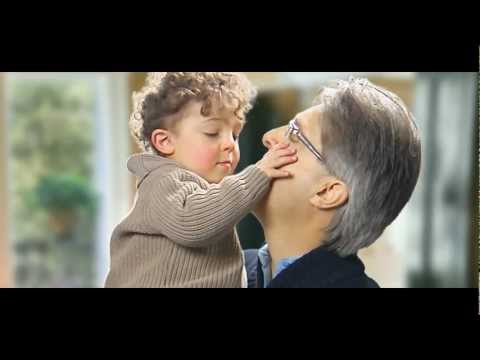
You know how sometimes you just click with someone? Like, there’s this instant connection, and you feel safe being your true self? That’s attachment in action.
It shapes our relationships, how we connect with others, and honestly, it spills over into our mental health too. Crazy how that works, right?
When we’re talking about mental health recovery, understanding attachment can be a game changer. It’s all about those early bonds we form—those first experiences of love and care (or lack thereof). They stick with us for life.
So let’s dig into this whole attachment science thing! It might just give you some new insights on why you feel the way you do or why certain patterns keep popping up in your relationships. Buckle up!
Understanding Attachment Science: Key Insights for Mental Health Recovery
Understanding attachment science can really change the game when it comes to mental health recovery. So, what’s the deal with attachment? Well, it’s basically about how we bond with others, starting from when we’re little kids. Our early experiences create patterns in how we relate to people later on in life.
Attachment Theory was developed by John Bowlby and Mary Ainsworth. They showed that kids develop different types of attachments to their caregivers: secure, anxious, avoidant, and disorganized. These early attachments influence our emotional health and relationships as adults.
- Secure Attachment: Kids who feel supported and safe tend to grow into adults who are comfortable with intimacy and trust others easily.
- Anxious Attachment: Those who may have had inconsistent care might become clingy or overly dependent on others for reassurance.
- Avoidant Attachment: On the other hand, some kids learn to keep their distance emotionally. This can result in adults who struggle with intimacy or have difficulty trusting people.
- Disorganized Attachment: This can happen when a caregiver is a source of both comfort and fear, leading to confusion in relationships later on.
Let’s say you grew up feeling like you had to walk on eggshells around your parent because they were unpredictable. You might find yourself avoiding closeness in adult relationships because it feels safer that way. It makes sense—you learned that safety meant keeping your distance!
Understanding your attachment style can be a huge step toward recovery. You might be thinking about how this affects therapy and personal growth. Well, here’s the thing: therapy can help you rewire those old patterns.
When you know your attachment style, you can start recognizing how it pops up in your life now—whether it’s pushing someone away or seeking constant approval. And therapy gives you a space to practice new ways of connecting with people in a healthier manner.
Many therapists use an approach called attachment-based therapy. This focuses on creating secure bonds within the therapeutic relationship itself. Essentially, your therapist becomes a safe base for exploring feelings and past experiences without judgment.
So imagine sitting across from someone who’s genuinely there for you while you unpack some heavy stuff—that’s powerful! Over time, these experiences can help reinforce more positive relational patterns.
It’s also important to understand how attachment impacts things like anxiety and depression. When connections are shaky or filled with fear, our mental health often suffers—it doesn’t take a genius to see that! But once we identify our triggers regarding attachment—like fear of abandonment or rejection—we can start dealing with them head-on.
In summary, understanding attachment science isn’t just some academic concept; it’s about getting real with yourself and recognizing how early experiences shape who you’re today—and importantly—how you relate to others around you now.
Recovery is all about learning those patterns so you can heal and build better connections moving forward!
Exploring the Connection Between Adult Attachment Styles and Mental Health: Insights from a Comprehensive Meta-Analysis
The connection between adult attachment styles and mental health is a pretty fascinating topic. Basically, how we attach to people in our lives can seriously affect our emotional well-being. It’s like, if your early bonding experiences shape how you connect with others as an adult, it makes sense that those patterns might influence your mental health too.
So, let’s break down what adult attachment styles are. There are mainly four types:
- Secure attachment: These folks are comfortable with closeness and tend to have healthy relationships. They’re open and engaged.
- Anxious-preoccupied attachment: People with this style often crave closeness but worry about their partner’s commitment. It’s like they need reassurance all the time.
- Avoidant-dismissive attachment: This group tends to value independence over connection. They might keep emotional distance from their partners.
- Fearful-avoidant attachment: These individuals want to connect but fear getting hurt, leading to mixed signals in relationships.
Now, here’s where it gets interesting. Studies show that the kind of attachments you form can impact your mental health in various ways. For example, if you have a secure attachment style, you’re more likely to cope with stress well and bounce back from challenges emotionally. In contrast, those with anxious or avoidant styles might experience higher levels of anxiety or depression.
Let me tell you about my friend Julia. She always had a bit of an anxious-preoccupied style when it came to relationships. That meant she often worried her partner wouldn’t stick around or didn’t love her enough. Over time, this led to anxiety that sometimes felt overwhelming! She struggled with feelings of inadequacy and constantly needed validation from her friends and family too.
But here’s something cool: understanding these patterns can help with recovery! If you’re aware of your attachment style, it opens up the door for change. You could work on building healthier relationships and challenge those old beliefs that may not serve you anymore.
That’s why therapy can be super effective for people wrestling with these issues. Therapists often incorporate knowledge about attachment styles into treatment plans, guiding clients toward more secure attachments over time.
In short, there’s definitely a link between adult attachment styles and mental health outcomes. By recognizing how we attach to others—and maybe even working on improving those connections—we can enhance our emotional resilience and overall well-being! It’s all connected in some way; understanding ourselves better leads us toward growth and healing in life.
Discovering Insights: The Latest Research Advancements in Attachment Theory and Mental Health
Understanding attachment theory can feel a bit like getting a sneak peek into the way our emotional lives work. It’s all about how we connect with others and, believe it or not, it plays a huge part in our mental health.
Attachment theory was initially created by John Bowlby and Mary Ainsworth. They studied how babies bond with their caregivers. You see, those bonds form the blueprint for how we relate to people throughout our lives. If you had a secure attachment as a kid—where your needs were consistently met—you’re likely to have healthier relationships as an adult. But if things were unstable or neglectful, well, that might lead to some bumps in the road later on.
Recent research has dug deeper into this theory, discovering the links between early attachment styles and mental health outcomes. For instance:
- Insecure attachments, like anxious or avoidant styles, can lead to higher risks of anxiety and depression.
- The quality of your relationships now can be influenced by those childhood experiences.
- Having insight into your attachment style can be super helpful in therapy; it gives you a better grasp on why you react to relationships the way you do.
Think about Sarah, who always kept friends at arm’s length because of her avoidant attachment style. In therapy, when she learned about her past and how it shaped her current behaviors, everything started making sense. That “aha” moment helped her open up more with people she cared about.
Also, researchers found that forming secure attachments in adulthood—like building trust with a partner or friend—can actually help heal those early wounds. This means folks can work on their mental health issues by creating safe spaces for connection now.
For recovery from mental health struggles, understanding personal attachment styles allows for more tailored approaches. Some therapies even incorporate these insights directly! Therapists might encourage clients to explore their relationship histories and help them practice healthier ways of connecting.
In summary, the latest insights into attachment theory are shedding light on how understanding our past relationships influences our present-day emotional well-being. And by working through these connections—whether in therapy or personal reflection—we just might find pathways to healing that we didn’t know existed before!
You know, attachment science is one of those things that sounds super fancy but really gets to the heart of how we connect with others. It’s all about the bonds we form in our early years and how they shape us as we grow up. Think about it—when you have a solid emotional connection with someone, whether it’s a parent, friend, or partner, it just makes life feel more manageable and safe.
Let me give you an example. I once knew this guy named Jake who had a pretty rocky childhood. His parents were always busy with their own lives, so he didn’t get a whole lot of affection or support. Fast forward to adulthood, and he developed anxiety and trust issues in his relationships. It wasn’t until he started therapy—where attachment theory came up—that he began to see the connection between his past and present struggles. He learned that those early experiences were messing with his ability to rely on others.
So, what’s interesting is that attachment styles can impact everything from our friendships to romantic relationships. Secure attachments can make recovery from mental health issues smoother because you feel less isolated. But if you had insecure attachments—like being anxious or avoidant—you might find it tougher to reach out for help when you need it most.
The thing is, understanding your attachment style can be a game-changer in therapy too. If you’re aware of how these patterns affect your life, it becomes easier to break those cycles and build healthier relationships along the way.
Honestly, it’s like peeling an onion—layers upon layers of emotional stuff that’s built up over time. And yeah, it can be super uncomfortable at first; crying can happen! But recognizing these patterns might lead to lighter days ahead when you realize you’re not alone in this wild journey called life.
In short, attachment science isn’t just some academic concept; it’s integral to mental health recovery today. Getting a grasp on how our connections shape us helps pave the way for healing and hope—kind of like finding your way back home after being lost for a while. You’re not just healing yourself; you’re also learning how to create better bonds moving forward, which is pretty powerful if you ask me!