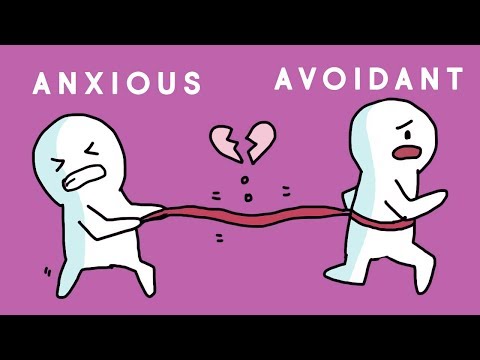
You know that feeling when you click with someone? Or, like, totally don’t? That’s what attachment styles are all about. They’re those invisible threads connecting us to others.
So here’s the deal: how we bond with people often comes from our early experiences. Wild, right? It’s like we carry a backpack filled with all those past moments into our relationships.
Whether you’re all in or keeping a distance, understanding these styles can seriously change the game. You’ll start to see patterns and maybe even recognize yourself—or your partner—in a whole new light.
Let’s grab a coffee and unpack this whole attachment thing. It might just help you navigate your relationships in a way that feels more authentic. Curious yet? You should be!
Discover Your Attachment Style: Take Our Engaging Quiz to Enhance Your Relationships
So, let’s chat about attachment styles and why they really matter when it comes to your relationships. You might not realize it, but the way you connect with others often traces back to how you bonded with caregivers as a kid. Crazy, huh?
Attachment styles are basically patterns of how we relate to people in our lives. They shape our behaviors, feelings, and expectations in relationships—like a hidden blueprint.
There are four main types:
- Secure Attachment: If you’re secure, you tend to feel comfortable with intimacy and independence. You trust others easily and know how to communicate well. It’s like having a cozy blanket: you can reach out for help but also feel fine on your own.
- Anxious Attachment: This style involves a lot of worry about relationships. People with anxious attachment often fear abandonment and seek constant reassurance. It’s like being in a boat that feels unstable; you always want someone nearby to keep it steady.
- Avoidant Attachment: On the flip side, avoidant folks value their independence so much that they often push others away when things get too close for comfort. Imagine keeping everyone at arm’s length because vulnerability feels risky.
- Fearful-Avoidant Attachment: This one’s a bit of a mix. You might want connection but also fear it at the same time, leading to confusion in relationships. It’s like wanting that warm hug but feeling scared it might come with strings attached.
Understanding your attachment style can be an eye-opener! It helps you see why you act the way you do in romantic or even platonic bonds.
So let’s say you’re chatting with someone who always seems distant or plays games? That could be their avoidant side showing up! And on the other hand, if you’re constantly texting them for reassurance after a minor argument? Yeah, that anxious attachment is doing its thing.
Knowing yourself better? That’s where growth happens! For example, if you’re aware that anxious thoughts kick in during conflict, you can work on staying calm instead of spiraling down that rabbit hole of “What did I do wrong?”
Remember this: it’s perfectly okay not to fit neatly into one category—it’s more like shades of gray! You might find aspects of different styles in yourself depending on where you’re at in life or who you’re involved with.
Taking an engaging quiz is kind of fun—it gives you insights into your style without being all heavy-duty about it! You can learn what makes your heart tick and figure out what steps to take for healthier connections.
And seriously—you’re already on the right path just by being curious about your relationship patterns! Getting familiar with these styles equips you for happier interactions ahead, so keep exploring!
Discover Your Attachment Style: Take the Ultimate Attachment Styles Test Today
So, you’ve heard about attachment styles, huh? It’s a pretty cool way to look at how our early relationships shape the way we connect with others. Basically, attachment theory talks about how we bond with people in our lives—especially romantic partners. Let’s break this down.
First off, there are four main attachment styles: **secure**, **anxious**, **avoidant**, and a mix called **disorganized**. Each style comes from early experiences with caregivers—like your parents or whoever raised you. It can actually explain a lot about why you act the way you do in relationships.
Secure Attachment is what we all want, right? People with this style tend to be comfortable with intimacy, trusting their partners while also being independent. They can communicate their needs openly and don’t panic when things get tough. It’s like the friend who’s always there for you but also gives you space when needed.
Now, let’s talk about Anxious Attachment. If this is your style, you might often worry that your partner will leave or not love you enough. You tend to seek reassurance constantly and may feel insecure in closeness. Imagine dating someone who leaves a message on read and your heart races because you’re afraid they’re upset.
Then there’s Avoidant Attachment, where people value independence over closeness. They often feel uncomfortable being too intimate and might pull away when things start getting serious. Think of that one friend who always says they’ll just “keep it casual” when it comes to relationships—ring any bells?
Lastly, we have Disorganized Attachment. This one can be tricky because it combines elements of both anxious and avoidant styles. Folks might feel confused about their feelings—they want love but also fear it. It’s like wanting to hug someone but flinching away at the last second.
So how do you figure out your attachment style? Taking an attachment styles test can really help clarify things for you. These are usually questionnaire-based assessments that ask about your feelings towards relationships and intimacy. Answer honestly! You’re just figuring yourself out here, no right or wrong answers.
And what happens after? Well, knowing your attachment style can give you insight into why you react the way you do in relationships—and maybe even help improve them! If you’re anxious or avoidant, for instance, understanding these patterns might guide you toward healthier interactions.
In real life though—let’s say you’re dating someone new—recognizing that they have a secure attachment style could ease some of your worries if you’re anxious. You’d know they’re more likely to be patient with your insecurities!
Okay, so what now? Check out some tests online if you’re curious! Just keep in mind it’s not all black and white; many people show a mix of styles depending on the situation or partner.
Understanding these patterns really helps! Not only does it foster personal growth but it opens up pathways for better communication too—the lifeblood of every relationship!
So yeah, go ahead and explore this stuff! It could totally change how you see yourself and others in love—or even friendships!
Exploring Attachment Styles: How They Shape Adult Relationships and Emotional Connections
Attachment styles are like the blueprints for how we connect with others, especially in our romantic relationships. They often trace back to our childhood experiences with our primary caregivers. So, let’s break down these styles and how they shape your adult relationships.
Secure Attachment is the best starting point. People with this style usually feel comfortable with intimacy and are trusting of their partners. They’ve got a healthy view of themselves and others. If you’re secure, you probably find it easy to communicate your needs, and conflicts don’t freak you out as much. Like, remember that friend who always seems to have their stuff together in relationships? Yeah, that’s often a secure attachment in action.
Then we have Anxious Attachment. This is where things get tricky. Those who fall into this category might constantly worry about their partner’s feelings or fear abandonment. You know that feeling when you text someone and just stare at your phone waiting for a reply? That’s classic anxious attachment behavior! It can lead to clinginess or even jealousy because there’s always this nagging fear that they’ll leave if you’re not perfect.
Next up is Avoidant Attachment. This style is all about keeping distance. People with an avoidant style often prioritize independence over closeness, which can totally mess up relationships. They might struggle to open up emotionally or shy away from intimacy. Think of someone who brushes off deep conversations or tends to change the subject whenever feelings come up—yep, avoidant attachment vibes!
Fearful-Avoidant Attachment, also called disorganized attachment, brings a mix of the anxious and avoidant styles together. These folks crave closeness but also fear it at the same time, which can lead to chaotic relationship patterns. One minute they’re all in, and the next they’re pulling away hard because they just don’t want to get hurt again.
So why does all this matter? Well, understanding your own attachment style—and those of your partners—can really change how you approach love and connection in adulthood. You might find yourself repeating patterns without really realizing it until you take a step back.
Recognizing these styles in yourself helps bring awareness to those lingering issues in your relationships. Say you realize you have an anxious style; knowing this can be super freeing! You might start working on communication strategies or even consider talking to a therapist for extra support.
In essence, attachment styles shape everything from how we pick partners to how we handle conflict or show affection. It’s like each of us carries around this invisible backpack filled with experiences that influence our connections today.
Understanding these dynamics is crucial as it gives us tools for healthier relationships—ones rooted in understanding rather than just reacting based on past experiences alone! So take some time to reflect on yours; awareness could be the first step toward reconnecting with others more meaningfully!
So, attachment styles. They’re like hidden players in the game of relationships, shaping how we connect with others. It’s wild when you think about it. Like, we all have our ways of bonding, but not everyone vibes the same way.
You know that feeling when you’re super comfortable with someone? That’s often a sign of a secure attachment style. People with this style generally feel good about themselves and trust others. Kind of nice, right? I remember my friend Jess who has that secure vibe; she’s just so at ease in relationships and encourages everyone around her to open up too.
But then there are those who struggle a bit more—like people with anxious or avoidant attachment styles. It’s not easy for them. The anxious ones might worry constantly about their partner’s feelings or whether they’re being loved enough, leading to clinginess or constant reassurance-seeking. So relatable! I used to date someone like this, and honestly, it was exhausting trying to reassure him all the time.
On the flip side, you’ve got avoidant types who keep things at arm’s length; they often value independence over intimacy. My buddy Mike is like this; he always makes jokes about love being overrated while dodging any deep conversations about feelings. It’s tough because their partners can feel shut out or less important.
So here’s the thing: understanding these different styles can really help us navigate our relationships better. When you get where someone is coming from—why they might react in certain ways—it brings more empathy into the mix. And let’s be real; relationships are challenging enough without adding layers of confusion.
If we can recognize our own attachment style and those of others, it opens up a whole new level of communication. Like knowing when to give your partner space versus stepping in for some emotional support can truly change the game.
At the end of the day, learning about these styles isn’t just for couples therapy or big life events; it helps us relate better to friends and family too! Embracing our quirks gives us clarity—and hey, everyone deserves that kind of understanding in their lives!