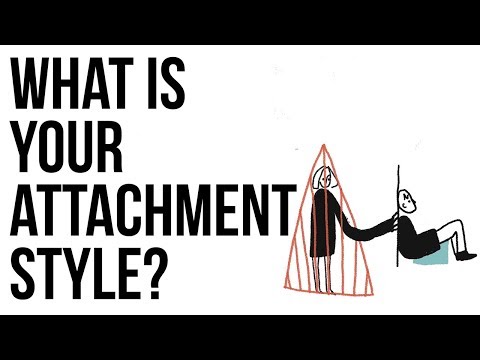
Hey, have you ever thought about why you connect with people the way you do? Like, some folks just dive in headfirst, while others kind of tiptoe around. It’s wild, right?
Well, that’s all about attachment styles! They’re like these invisible threads that shape how we relate to others.
So, if you’re curious about your own style—or maybe just want some fun insights—I’ve got a quiz for you! It’s super easy and can help you figure things out.
Trust me, it could be eye-opening! Let’s find out what makes you tick in relationships. Ready to see what your style is all about?
Discover Your Attachment Style: Take Our Free Adult Quiz Today!
Understanding your attachment style can really change the way you view your relationships. It’s all about how you connect with others, and it shapes everything from friendships to romantic partnerships. So, you might be wondering what an attachment style is in the first place.
Attachment theory was created by John Bowlby and Mary Ainsworth. Basically, it’s the idea that our early relationships with caregivers influence how we bond with people later in life. There are four main styles: secure, anxious, avoidant, and disorganized. Here’s a little breakdown:
- Secure attachment: You feel comfortable with intimacy and are generally warm and loving.
- Anxious attachment: You crave closeness but fear rejection. This might lead to clinginess at times.
- Avoidant attachment: You value independence and may find it hard to get close to others.
- Disorganized attachment: You have mixed feelings about relationships; often due to trauma or unpredictable caregiving.
So why does it matter? Knowing your style can help you understand why you react the way you do in relationships. For example, if you’re someone who tends to pull away when things get too emotional—that’s classic avoidant behavior. It could help explain those awkward moments when a partner wants more closeness than you’re comfortable giving.
You might be sitting there thinking, «Okay, but how do I figure this out?» That’s where those quizzes come into play! They usually ask about your feelings and behaviors in different situations. You answer a few questions, then voila—you get insight into your primary attachment style.
But remember, these quizzes are just a starting point! They can guide you but may not capture the entire picture of who you are emotionally. Life experiences shape us too. Maybe you were securely attached as a kid but had some tough adult experiences that shifted things for you later on.
Let’s take Jamie as an example: She had a secure attachment style growing up but found herself feeling anxious in her recent relationship because of her partner’s behavior—like being distant or forgetful of plans they made together. With this awareness of her anxious tendencies now, she can work on communicating her needs more openly.
So what should you do after finding out your attachment style? Well, here’s the cool part—you can actually work on it! If you’re anxious or avoidant and want to become more secure in your attachments, therapy or self-reflection can help immensely.
In summary, discovering your attachment style opens up a new way of thinking about yourself and how you relate to others. It’s like putting on a pair of glasses that help clear up all that emotional fog! Just keep in mind that while quizzes are helpful tools, they’re not everything—and growing emotionally takes time and patience too.
Discover Your Attachment Style: Take Our Printable Adult Quiz PDF
So, attachment styles are pretty much how we relate to others, especially in close relationships. They start forming when we’re kids and can stick with us into adulthood. Knowing your attachment style can really help you understand why you act a certain way in relationships. You might find yourself thinking, “Oh, that’s why I do that!”
There are four main types of attachment styles:
- Secure Attachment: You feel comfortable with intimacy and independence. You trust others and don’t freak out when things get tough.
- Avoidant Attachment: You like your space and often struggle to open up. Emotional closeness can feel overwhelming for you.
- Ambivalent Attachment: You crave closeness but also worry about being abandoned. This leads to clingy behavior sometimes.
- Disorganized Attachment: Your feelings about relationships are all over the place. You could want connection but also push people away because of past trauma.
Taking a quiz can be a fun way to figure out where you land on this spectrum. The great thing about printable quizzes is that you can do them at your own pace, jotting down thoughts as they pop up.
Now, let’s imagine this scenario: Say you’re someone with an ambivalent attachment style. You might find yourself constantly worried your partner will leave you if they don’t text back right away. It causes anxiety, doesn’t it? Your mind races with “What if they’re mad at me?” or “Did I say something wrong?” Understanding this pattern helps you take a step back and recognize it doesn’t always mean something is wrong.
The quiz usually asks questions about how you respond to relationship situations—like how much space you need or how often you feel anxious or secure around loved ones. Then it gives insights into your tendencies based on those responses.
But remember, these quizzes aren’t the end-all answer; they’re just a snapshot of your tendencies and behaviors—it’s not like you’re doomed to be one way forever! People change, grow, and adapt over time—it’s all part of the journey.
Finding out your attachment style might just open up conversations not just with yourself but also with friends or partners about expectations and needs in relationships. It sheds light on why some things are easier for some people compared to others when it comes to love and trust.
In sum, understanding your attachment style through a quiz isn’t just some academic exercise—it’s like getting a little roadmap for your emotional self! And hey, knowledge is power; the more aware we are, the better choices we can make in our connections with others!
Discover Your Attachment Style: Take the Ultimate Quiz for Insights into Your Relationships
When it comes to relationships, we all have our own unique ways of connecting. That’s where attachment styles come into play. Basically, your attachment style is like the emotional blueprint for how you relate to others. It often stems from your early experiences with caregivers and can greatly influence your interactions in romantic relationships or friendships.
So, what are these attachment styles? Well, there are four primary types: secure, anxious, avoidant, and disorganized. Each one shows up in different ways.
1. Secure Attachment
If you have a secure attachment style, you probably feel comfortable with intimacy and independence. You trust easily and don’t fear closeness with others. It’s like having that feeling where you know someone’s got your back—super important in any relationship!
2. Anxious Attachment
Now, if you lean more towards an anxious attachment style, things might be a bit different for you. You may often worry about your partner’s feelings or whether they truly care about you. It could feel like you’re constantly seeking reassurance and might get upset if things don’t seem to go smoothly.
3. Avoidant Attachment
Then there’s avoidant attachment style—it’s all about keeping distance. If this is your style, you might find it hard to open up emotionally or get close to someone without feeling overwhelmed. It’s like wanting connection but being scared of losing your freedom at the same time.
4. Disorganized Attachment
Finally, there’s disorganized attachment—a mix of anxiety and avoidance that can lead to confusion in relationships. This style often arises from inconsistent caregiving during childhood and can make for a pretty tumultuous relationship dynamic.
If you’re wondering which category you fall into, taking an adult attachment quiz could be super helpful! These quizzes usually ask questions about how you’ve felt in past relationships or how you interact with others now.
They’re designed to give insights into how your past might shape your present connections—like figuring out why some relationships leave you feeling happy while others just stress you out!
Now picture this: imagine Sarah—a friend of yours who seems to jump from one intense relationship to another but always ends up feeling unsatisfied or abandoned after a few months. If Sarah took an attachment quiz and found out she has an anxious style, it might help her understand why she’s feeling this way—and work on it! Understanding these patterns opens the door for change.
In short, knowing your attachment style shines a light on those quirks in how we connect with people—making room for healthier relationships moving forward! It’s not just about knowing the terms; it’s about taking action once you’re aware of them!
So, let’s talk about attachment styles. You might have come across quizzes that claim to help you figure out yours. I mean, why not? It’s kinda interesting to think about how your early relationships shape the way you connect with people now, right?
I remember when I first took one of those quizzes. I was sitting on my couch, scrolling through my phone, and feeling a bit lost in my love life. The quiz asked questions that made me think about how I reacted in relationships—like did I get anxious when my partner didn’t text back right away? Did I tend to put up walls whenever things got too close? It felt oddly personal.
So, how do these styles work? Basically, they stem from the way we bonded with our caregivers as kids. You’ve got secure attachment—the gold standard where people feel good in relationships and know how to communicate. Then there’s anxious attachment; you might cling a bit too much because you fear abandonment. Avoidant attachment is a whole other ballgame; folks with this style usually keep people at arm’s length.
After taking the quiz, it turned out I had a mix of anxious and avoidant tendencies. Oh boy! It was like looking in a mirror and seeing parts of myself that I always kind of brushed aside. Realizing that helped me see where some of my patterns were coming from—like why I’d freak out over small things or pull back when things got serious.
But here’s the catch: just knowing your style isn’t a magic fix-all. You’ve gotta do some work if you want to change patterns that aren’t serving you. It can be hard but also kinda freeing once you start recognizing those habits in real time.
In the end, if you’re curious about your attachment style, yeah—go take that quiz! Just remember it’s not meant to box you in or define every piece of your relationship puzzle. It’s just one step toward understanding yourself better and maybe finding healthier ways to connect with others. And honestly? That little bit of self-awareness can go a long way!