You know how some people seem super chill in relationships while others get all anxious? It’s fascinating, right?
Turns out, it all comes down to something called attachment styles. They shape how we connect with others, for better or worse.
You might’ve heard about them and thought, «What’s the big deal?» But understanding these styles can totally change how you see your relationships.
So let’s break it down together. No jargon, just real talk about what attachment styles are and how they impact your emotional life. Get comfy; this is gonna be interesting!
Understanding Attachment Styles: A Comprehensive Summary for Better Relationships
Understanding attachment styles can be a total game changer for your relationships. These styles basically shape how you connect with others, and once you get a handle on them, it’s like flipping a switch in your brain. You start to see patterns in your own behavior and in the way others behave. This isn’t just some psychology jargon; it’s really about making life a bit easier and more fulfilling.
Secure Attachment is the gold standard. Folks with this style are comfortable with closeness and independence. They trust their partners and feel secure in their relationships. Imagine Emily, who grew up in a loving family, where her parents were consistently there for her. She feels confident reaching out to her partner when she needs support and knows how to give space when needed, too.
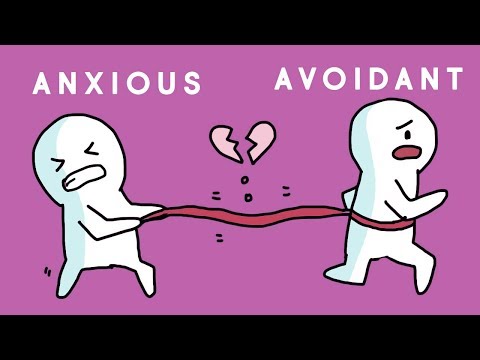
Now let’s talk about Anxious Attachment. If you’re like Lisa, you might often feel worried about your partner’s feelings or fear that they’ll leave you. It can make you clingier or overly sensitive to any signs of distance in the relationship. Picture Lisa texting her partner constantly when he goes silent for just a few hours, totally stressing out because she thinks something is wrong.
Then there’s Avoidant Attachment. People with this style tend to keep their distance—emotionally and sometimes physically. Think of Mark who has trouble trusting others and often sabotages relationships before they get too close. He might pull away when things start getting serious because he fears being vulnerable.
Lastly, we have Disorganized Attachment. This one can be tough since it combines traits from both anxious and avoidant styles. Someone like Anna might experience intense emotions but also push people away at the same time. It’s confusing! She often finds herself drawn to relationships that feel exciting but chaotic, leading to lots of ups and downs.
So why does knowing these styles matter? Well, first off, once you identify your own attachment style—and maybe even guess at other people’s—you can start making changes that really help improve your connections. Communication becomes clearer when you understand where someone else is coming from.
Here are some key points to remember:
- Secure Attachments: Balance between intimacy and independence.
- Anxious Attachments: Crave closeness but fear abandonment.
- Avoidant Attachments: Value independence over connection.
- Disorganized Attachments: Juggling between fear of intimacy and desire for connection.
Recognizing these patterns within yourself or in others doesn’t have to be complicated; it’s all about self-awareness. So next time you’re navigating a relationship—whether it’s romantic, familial or platonic—remember these styles might just offer some insights into what makes each person tick! That understanding could totally transform how you approach love and connection—how cool is that?
Understanding Attachment Psychology: A Comprehensive Summary and Insights
Understanding attachment psychology is like peeking into the way we bond with others, and honestly, it’s pretty intriguing stuff. The idea comes from how we connected with our caregivers as kids. This connection shapes how we deal with relationships throughout our lives—seriously!
Attachment theory was founded by John Bowlby and later expanded by Mary Ainsworth. They believed the early bonds formed in childhood impact our emotional and social behaviors as adults. You know, your relationship with your parents or caregivers sets the tone for future relationships, for better or worse.
So, let’s break down the major attachment styles. There are four main types that people generally fall into:
- Secure Attachment: This style is like a warm hug. People who have it feel comfortable with intimacy and are generally trusting of others. They can express their feelings without fear of rejection.
- Avoidant Attachment: Think of this as someone who keeps you at arm’s length. These folks often value independence too much, which can make them seem emotionally distant.
- Anxious Attachment: Imagine being on edge all the time about your partner’s feelings. It’s hard to relax when you’re always worried they might leave you or not be there when you need them.
- Disorganized Attachment: This one’s complex! It’s like a mixed bag of worries and fears about relationships that don’t really fit neatly into other categories. People who have this style often experienced trauma or inconsistent care as children.
You might be wondering how these styles play out in real life, right? Well, let me give you an example:
Imagine two people in a romantic relationship. If one has a secure attachment style and the other has an anxious style, things can get tricky. The secure person will likely provide reassurance and emotional support while the anxious partner might constantly seek validation and worry about losing their connection.
Meanwhile, someone with an avoidant attachment may feel overwhelmed by their partner’s neediness—this could lead to frustration on both sides! It’s like two different languages being spoken without anyone understanding each other.
Now think back to your own life: can you see patterns based on these styles? Maybe it’s how you handle conflicts or express love. Recognizing your own attachment style—and those of others—can definitely change the way you interact with people.
Understanding this stuff is crucial because it helps us navigate our relationships more effectively. And trust me, a little awareness goes a long way! When you’re mindful of these attachment styles, you’ll probably find it easier to communicate and build stronger connections with those around you.
In short, attachment psychology shines a light on why we connect—or struggle to connect—with others in specific ways based on our early experiences. By getting familiar with these styles, you’ll be better equipped to understand yourself and enhance your relationships moving forward!
Understanding the 4 Attachment Styles in Psychology: A Guide to Emotional Connections
Understanding attachment styles can honestly feel like unlocking a hidden door to your emotional world. The way you connect with others often ties back to how you bonded with caregivers when you were little. It’s pretty fascinating, and yeah, sometimes a bit messy! Let’s break down the four attachment styles in psychology.
1. Secure Attachment
People with a secure attachment style feel comfortable with intimacy and independence. They’re like those comfy sneakers you can wear all day and still feel good. Securely attached folks usually had responsive caregivers who supported them emotionally. When they face challenges, they know how to reach out for help without feeling weird about it.
2. Anxious Attachment
This style is a bit more complicated. Those with an anxious attachment often worry about their relationships. They might feel clingy or overly dependent on their partners for reassurance—like needing constant affirmations that everything’s okay. This can stem from inconsistent caregiving during childhood, where love felt unpredictable or conditional.
3. Avoidant Attachment
Avoidantly attached people tend to keep their distance, emotionally speaking. They value independence but may struggle to form close connections, kind of like having a protective wall around their feelings. Often, this comes from caregivers who were emotionally unavailable or dismissive, leading them to learn that vulnerability isn’t safe.
4. Disorganized Attachment
Disorganized attachment is a mix of anxious and avoidant styles—it’s like being on an emotional rollercoaster without knowing when the next loop-de-loop is coming! People with this style might feel confused about whether to approach or avoid intimacy because their early relationships were chaotic or frightening.
In real life, these styles show up in different ways in our relationships:
- Securely attached individuals often have healthy friendships and romantic partnerships.
- Anxiously attached people may find themselves caught up in overthinking texts or worrying if their partner loves them back.
- Avoidantly attached folks might withdraw when things get too intimate or heavy.
- Those with disorganized attachment may bounce between wanting closeness and pushing loved ones away.
So the thing is, understanding these styles can help you figure out your own patterns as well as those of others around you. Imagine recognizing why your friend seems distant or why you feel anxious when dating someone new; it all connects back to these attachment styles.
You know what? That knowledge can be pretty empowering! Once you understand where these tendencies come from, it opens up room for personal growth and healthier relationships in the future.
You know, attachment styles are one of those things that kind of stick with you throughout life, like a little shadow. They might not be something you think about every day, but they definitely shape your relationships and how you connect with others. So, what’s the deal with these attachment styles, anyway?
Basically, they’re about how we bond with people based on our early experiences—usually with our caregivers when we were kids. There’s this concept called “secure attachment,” which is like the gold standard. If you grew up feeling loved and supported, you probably have an easier time trusting people and forming healthy relationships as an adult. Lucky you!
Then there are the other styles: anxious, avoidant, and disorganized. The anxious type tends to worry a lot about whether their partner loves them back; they might often feel clingy or insecure. I had this friend who was always stressing over texts—like if someone didn’t reply right away, it would ruin her whole day! It broke my heart to see her so anxious over something that could be so casual.
Avoidant folks? Well, they often keep others at arm’s length. They might have had caregivers who were emotionally unavailable or dismissive, so they learned not to rely on anyone else for support. I remember knowing a guy who was great at making connections but never let anyone in too deep. He’d joke about how he didn’t need anyone… but I could see that he really did; he just didn’t know how to show it.
Then there are those with disorganized attachment—it’s like a mix of both anxious and avoidant traits. These folks often had chaotic or traumatic childhoods that left them confused about love and trust.
Understanding these styles helps us navigate our relationships better. You start recognizing patterns in yourself and others—like why your best friend can’t seem to commit or why your partner gets upset over small things—and that’s huge for personal growth!
So yeah, while attachment styles might sound like just psychological jargon at first glance, they really matter in real life. They affect how we love and connect—and knowing them can help us build healthier relationships down the road. Pretty powerful stuff when you think about it!