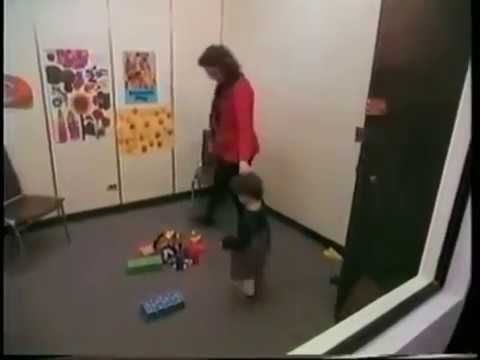
You know, the bond between a parent and child can be pretty powerful, right? It’s like the foundation of everything they do later in life.
So, we’ve got these things called attachment styles. They shape how kids connect with others. And guess what? These styles can stick around for ages!
Imagine growing up feeling secure and loved versus feeling anxious and unsure. Those early experiences really impact how you handle relationships as an adult. Crazy, huh?
In this chat, we’re gonna dig into those attachment styles. I mean, it’s not just about parenting; it touches on friendships, love, even work stuff! It’s all connected, you see?
How Parents Influence Their Child’s Attachment Style: Understanding the Impact on Emotional Development
So, let’s chat about how parents shape their child’s attachment style and what that means for emotional development. You may not realize it, but the bond you create with your kids plays a huge role in how they learn to connect with others later in life.
First off, what do we mean by **attachment styles**? Basically, these are patterns that develop from how caregivers respond to a child’s needs. There are four main styles: secure, anxious, avoidant, and disorganized. Each style has its quirks and can affect how kids handle relationships as they grow up.
When parents are **responsive and nurturing**, kids generally develop a secure attachment. This means they feel safe exploring the world but know they can come back for comfort if needed. Imagine a kid who’s confident enough to climb a tree because they know Mom is watching from below—super important stuff!
Now, if parents are inconsistent—sometimes loving and sometimes distant—that can lead to an **anxious attachment** style. Kids might feel like they have to cling tighter because they’re unsure about whether their needs will be met. It’s like playing a game where the rules keep changing; pretty confusing for them!
Then there’s the avoidant attachment style. This usually develops when parents are unresponsive or dismissive of their child’s emotions. Kids learn early on that showing feelings isn’t really welcomed, so they end up keeping things bottled up inside. Think of it as putting on a brave face all the time—tough way to go through life.
Finally, we have **disorganized attachment**, which often comes from chaotic or frightening environments. This can happen if parents have unresolved trauma or mental health issues themselves. Kids with this style might mix behaviors; one minute they’re wanting closeness, and the next they’re pushing away—it’s chaos for their little hearts.
Now, let me tell you about Sarah—a friend of mine who grew up with an anxious attachment style due to her unpredictable home life. Her parents fought often and loved her one moment but ignored her the next. Imagine growing up feeling like your love is conditional? As she got older, she found herself constantly worried about friendships; she’d often freak out if friends didn’t reply quickly enough.
Here’s what’s super interesting: these attachment styles don’t just vanish! They stick around into adulthood and influence how we relate to partners and friends. Securely attached folks tend to have healthier relationships while those who wrestle with anxious or avoidant attachments often struggle more.
It’s important for parents (and future ones too!) to understand this dynamic—it’s not just about cuddles or reading bedtime stories! Being aware of your own struggles can help you break cycles that might’ve affected you growing up.
In short:
- Secure Attachment: Nurturing parenting leads to confident exploration.
- Anxious Attachment: Inconsistent care makes kids clingy.
- Avoidant Attachment: Dismissive parenting creates emotional walls.
- Disorganized Attachment: Chaotic homes lead to confusion in relationships.
So yeah, if you’re a parent or plan on being one someday, just remember: every hug counts! The love and stability you provide shapes your child in ways that last long beyond childhood—it sets them up for success in navigating relationships throughout their lives!
Understanding Unhealthy Attachment Styles in Children: Signs, Impact, and Strategies for Change
When we talk about attachment styles in children, it’s all about the bond they form with their primary caregivers. These early relationships shape how kids interact with others later in life. Some kids develop unhealthy attachment styles, which can really mess with their emotional development. So, let’s break it down a bit.
Unhealthy attachment usually falls into a few categories: **anxious**, **avoidant**, and **disorganized**. Each style has its signs and impacts, and understanding these is key to helping kids develop healthier relationships.
Anxious attachment kids often crave closeness but feel really insecure about it. They might be clingy or overly dependent on their caregivers. Picture this: a child who constantly seeks approval from their parents but never feels settled, even when they get it. This can lead to anxiety in social situations later on.
On the flip side, you’ve got avoidant attachment. These kiddos often push people away because they’ve learned that showing emotion isn’t safe or welcome. They might seem independent and self-sufficient on the outside, but inside they’re struggling with feelings of loneliness and rejection. It’s like they’ve built up walls so high that no one can get through.
Then there’s disorganized attachment. This one’s pretty intense—children don’t have a clear strategy for relating to their caregivers because of inconsistent responses from them. Imagine being scared of someone you’re supposed to trust—that’s what these kids feel like often. It creates a chaotic inner world where nothing feels stable or predictable.
So what are some signs you might notice? Here are a few key points:
- Anxious attachment: Clinginess, fear of abandonment, difficulty calming down.
- Avoidant attachment: Emotional distance, reluctance to open up, seeming indifferent.
- Disorganized attachment: Confusion around caregivers, mixed signals in behavior.
The impact of these unhealthy attachments can be pretty far-reaching—affecting relationships throughout life. Kids might struggle with trusting others, managing emotions, or building friendships as they grow older.
But here’s where hope comes in! There are strategies for change that can help shift these unhealthy patterns into something more positive:
– **Consistent caregiving:** Kids need to know what to expect from adults in their lives. When caregivers are dependable and responsive, children start feeling safe.
– **Emotional coaching:** Helping kids identify and express their emotions can be super beneficial. Encourage them to talk about how they feel rather than hiding it.
– **Positive reinforcement:** Celebrate small steps towards healthy interactions. If a kid shares or reaches out to another child at school, recognize that effort!
– **Therapeutic support:** Sometimes professional help is needed—working with therapists who understand attachment styles can really guide families through this stuff.
I remember talking with a friend whose daughter had some anxious tendencies due to an unpredictable home life; you could see the little girl constantly looking for reassurance at school. With some support and patience from her mom (alongside therapy), she slowly started feeling more secure both at home and among her peers.
Understanding these unhealthy attachments is the first step toward creating nurturing environments that foster security and love for children as they grow up—and isn’t that what we all want?
Understanding Parent-Child Attachment Theory: The Key to Nurturing Stronger Family Bonds
Understanding how you connect with your kids can be a game changer. Seriously, the way you bond with them now sets the stage for their future relationships and emotional well-being. Take a moment to think about it. How you interact with your child isn’t just about love; it’s about building a secure attachment that influences them for years—maybe for their whole life.
So, what’s the deal with attachment theory? Well, it originally came from a guy named John Bowlby. He believed that kids need a stable relationship with at least one caregiver to develop correctly—like seriously crucial stuff! When kids feel safe and secure, they explore the world more confidently. If they don’t? Well, they might struggle later in life with trust and relationships.
There are different attachment styles, and here’s how they break down:
- Secure Attachment: This is what you want! When parents are responsive and loving, kids feel safe to express themselves without fear. They grow up to be adults who are comfortable in relationships.
- Anxious Attachment: This happens when parents are inconsistent—sometimes warm and loving, other times distracted or neglectful. Kids can become clingy or overly worried about their relationships.
- Avoidant Attachment: Here, parents may ignore their child’s needs or discourage emotional expression, leading kids to distance themselves emotionally from others as they grow up.
- Disorganized Attachment: This style often arises from trauma or chaotic environments. Children may feel confused about how to react to their caregivers’ behavior, which can lead to serious issues later on.
Now let’s chat about why this matters beyond just theory. Think about Sarah—a friend of mine who had an anxious attachment style because her parents were always busy working long hours. She felt like she had to earn love by being perfect in school or at home. Today, she finds it tough to maintain healthy relationships because she’s always second-guessing herself and worrying if people truly care.
The good news is you can influence your child’s attachment style in positive ways! Being attuned to your kid’s wants and needs helps so much. It means being there when they need comfort after a scare or encouraging them when they’re trying something new but feeling scared. For example:
- Give them lots of hugs and reassurance—let them know they’re safe!
- Listen actively when they talk about their feelings; it shows them it’s okay to express emotions.
- Promote independence but stay close enough so they feel supported.
Ultimately, nurturing healthier attachments means fostering openness and trust within your family unit. You’re not just raising kids; you’re cultivating future partners, friends, and even parents themselves who know how important these bonds are.
Think back on your own childhood for a second—what types of connections did you have? Reflecting on this can give you insights into how you’ve built your own family dynamics today.
So remember: secure attachment leads to happier children. With time and effort, you can consciously create those strong bonds that will last a lifetime!
You know, talking about parent-child attachment styles is kind of eye-opening. I remember this one time during a family gathering, my cousin’s kid was clinging to her leg like it was a life raft. She seemed so anxious when her mom tried to talk to someone else. It made me think about how those early relationships shape how we connect with others later on.
So, generally speaking, there are a few main types of attachment styles: secure, anxious, avoidant, and sometimes disorganized. Secure kids usually feel safe and loved; they know their parents will be there for them when needed. It’s like having a safety net that lets you explore the world confidently. But then you have anxious or avoidant styles. Kids who feel they can’t depend on their parents might grow up being clingy or really distant in relationships.
Every time I reflect on this stuff, it blows my mind how much our childhood influences our adult selves. If you had a parent who was consistently there and supportive, it probably helped you form healthier relationships as an adult. On the flip side, if your early experiences were filled with unpredictability or neglect, well, that can lead to some serious struggles in connecting with others down the road.
It’s interesting because attachment styles aren’t set in stone; they can change over time with new experiences and healing. I’ve seen friends who grew up feeling abandoned find loving partnerships that help them learn how to trust again. It’s pretty powerful stuff.
But really, what it comes down to is awareness—seeing how those early attachments might be playing out in your life today and making adjustments if needed. Like the first step in therapy often involves understanding those roots before you can branch out and grow into something new.