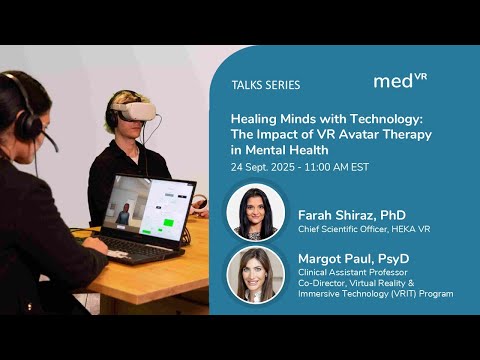
So, let’s talk about something mind-blowing—Avatar Therapy. Yeah, you heard that right. It’s this new way of helping people with schizophrenia. Sounds pretty futuristic, huh?
Think about it: a therapy where you can face your fears and work through tough stuff with a digital avatar of yourself. It’s like something out of a sci-fi movie!
But seriously, it’s not all flashy tech; it’s filled with real potential for healing. Imagine having a safe space to explore your thoughts and feelings without judgment. Pretty cool, right?
This approach is shaking things up in mental health care. You might be wondering how it works or if it really helps. Well, let’s dive into the details together!
Exploring AVATAR Therapy Software: Revolutionizing Mental Health Treatment Through Innovative Technology
So, let’s chat about this cool thing called AVATAR therapy. It’s pretty wild how technology is changing how we deal with mental health issues, especially for folks experiencing schizophrenia. Basically, it takes the idea of therapy and mixes in some tech magic.
First off, AVATAR therapy uses a computer-generated avatar to represent the therapist and even the patients’ inner voices. Imagine having a digital version of yourself or someone else talking you through your struggles. This can make addressing those tough conversations a bit simpler for some people. You’re not just sitting there with someone, but engaging with a virtual version that helps you feel more in control.
Now, here’s where it gets interesting: one key advantage is that it allows patients to confront their hallucinations and distressing thoughts in a safe environment. The avatar can take on characteristics of the voices people might hear separately from their own thoughts. Instead of running away from these thoughts, they sort of step into them and challenge them head-on.
For instance, let’s say someone hears a voice telling them they’re worthless. Through AVATAR therapy, this person could respond to that voice using the avatar. So rather than just feeling overwhelmed by it, they get to fight back with their own words while the avatar represents a safe space for expressing themselves.
Another cool thing is how customizable these avatars are. Patients can design their avatars to look like whoever or whatever they want. This personalization helps build trust and comfort during sessions since people can create characters they’re more at ease interacting with—or who might represent aspects of themselves they’re trying to understand better.
And here’s something else: studies have shown that engaging with these avatars may lead to significant improvements in symptoms like distress from hallucinations and voices over time. Imagine being able to feel more empowered over what used to feel uncontrollable!
But like anything else, it’s not all perfect sunshine and rainbows. Not everyone connects with technology well or finds virtual interactions as effective as face-to-face ones. Some folks genuinely miss that human touch or find themselves feeling isolated despite using an avatar.
Plus, there are still questions about accessibility – not everyone has access to computers or high-speed internet to engage in this kind of therapy regularly.
In summary, AVATAR therapy is shaking things up in mental health treatment for schizophrenia by providing an innovative approach that invites patients into a space where they can openly confront their experiences without fear or stigma. As technology continues to evolve, who knows what other breakthroughs might be right around the corner? It’s honestly pretty thrilling!
Understanding Avatar Therapy: A Innovative Approach to Managing Auditory Hallucinations
So, let’s chat about this cool thing called Avatar Therapy. It’s a kind of therapy that’s been gaining traction, especially for folks dealing with auditory hallucinations. You know, those moments when you hear voices that aren’t actually there? Yeah, they can be really tough to handle.
This therapy is pretty unique. Basically, you create a digital avatar of the voice or voices you’re hearing. It sounds a bit sci-fi, right? But it helps in understanding and managing what you’re experiencing. Instead of just trying to ignore those voices—because that rarely works—you confront them in a way that feels safer and more controlled.
Imagine it like this: if you’ve ever had an argument with someone and wished you could talk it out face-to-face, Avatar Therapy gives you that chance. You can express your feelings toward the voice in a virtual setting, which can feel less intimidating.
Here are some key points about how it all works:
- Creating Your Avatar: You get to design an avatar that represents the voice. This could be based on someone you know or completely fantastical—whatever happens to resonate with you.
- Structured Sessions: In sessions guided by a therapist, you’ll engage with this avatar. You might have conversations where you challenge what the voice is saying or express your frustrations.
- Exposure Therapy: This approach is kind of like exposure therapy but wrapped in a digital bow. By facing the «voice» directly through its avatar, it helps reduce anxiety around those experiences over time.
- Feeling Empowered: This method can empower people. Instead of feeling like a victim to your mind, you’re taking control in a therapeutic setting.
There’s been some promising research backing this up too! Studies show improvement in people’s ability to cope with their hallucinations after participating in Avatar Therapy sessions.
Let me tell ya about Sarah—a fictional character for illustration but oh-so-real in experience. She struggled for years with voices telling her she wasn’t good enough. Traditional methods didn’t help much; they just felt like band-aids on an open wound. Then she tried Avatar Therapy and designed an avatar based on one particular voice. At first, it felt weird—and maybe even scary—to confront it! But as sessions progressed, she found herself able to challenge what her avatar said and even push back against it during their virtual chats.
In the end, Sarah started feeling less controlled by those voices. It was like flipping a switch from “I’m powerless” to “I get to decide what I listen to.” That transformation is pretty huge!
It’s important to remember: while Avatar Therapy can be effective for some people dealing with auditory hallucinations—especially within schizophrenia care—it’s not a one-size-fits-all solution. Everyone’s mental health journey is unique.
So yeah, if auditory hallucinations are something you’ve been grappling with or know someone who has been, Avatar Therapy might just be worth exploring further while working alongside professionals who understand mental health challenges deeply!
Exploring the Benefits of AVATAR Therapy: Insights from Recent Clinical Trials
Avatar Therapy is becoming a cool topic in the world of mental health, especially when it comes to treating conditions like schizophrenia. It’s this innovative form of therapy where clients interact with a digital avatar that represents their voices or hallucinations. Crazy, right? But there’s real science behind it that’s making waves in clinical trials.
What’s the deal with Avatar Therapy? Well, first off, it’s about creating a safe space for individuals to confront their hallucinations. Instead of hearing those voices just in their heads, people can see and interact with these avatars. This helps them understand and perhaps even challenge those experiences. Imagine talking back to that voice instead of just feeling overwhelmed by it!
Recent clinical trials have shown some promising results.
- Empowerment: People often feel more in control when they can engage with their hallucinations this way. It’s like flipping the script!
- Reduced symptoms: Studies indicate that participants report fewer and less intense hallucinations after going through this therapy.
- Improved coping strategies: Clients learn techniques to manage their experiences better, which translates into real-life situations.
When the trials brought participants together, many shared how engaging with their avatars helped them feel less isolated. One guy mentioned he used to drown out his voices with music but found talking directly to his avatar gave him a new perspective. He felt heard and understood, which made all the difference.
And get this—some therapists are excited because Avatar Therapy can be tailored to each individual’s experiences and needs. This personalization means therapists can create avatars that resonate deeply with clients’ realities.
So yeah, while it’s definitely not a one-size-fits-all solution for schizophrenia or any mental health issue, Avatar Therapy offers a fresh take on how we can approach these complex experiences. As more research comes out, it could really change the game for many people who struggle with severe symptoms.
In short, as we explore more about Avatar Therapy through ongoing clinical trials, it’s becoming clear that it might just offer valuable insights into managing schizophrenia more effectively—and hopefully help many individuals regain control over their lives!
You know, mental health care is a wild ride, and there’s always something new popping up. I recently came across this concept called Avatar Therapy, which is kinda blowing my mind. It seems to be this new approach for treating schizophrenia that uses virtual avatars to help people work through their thoughts and feelings. It’s kinda like playing a video game but focusing on your mental health. Like, how cool and innovative is that?
So, here’s the deal: traditional therapy can sometimes feel a bit stiff or impersonal. Picture sitting across from someone while they scribble notes about your life, right? But with Avatar Therapy, you create this digital version of yourself—or maybe even a more powerful version of yourself—to interact with. And honestly? It sounds a bit strange at first. But when you think about it more deeply, it actually makes sense.
There’s this whole idea of having an avatar talk back to you, which can make it easier for folks to express themselves without feeling judged or anxious. You’re not just sitting there spilling your guts; you’re having a conversation with an extension of yourself! Like that time my friend Sam used to practice conversations in front of the mirror before big events. It’s almost like role-playing but on a much deeper emotional level.
I remember a story about someone who struggled with schizophrenia for years—let’s call him Joe. Joe faced these horrible voices all the time that would tell him he wasn’t worth anything. Through Avatar Therapy, he could confront those voices by embodying his avatar and responding to them—not as himself but as this confident figure he created! As he interacted with his avatar in these sessions, it helped him regain some control over his life by shifting the narrative from one of despair to one of empowerment.
And don’t get me wrong; this doesn’t replace all the other treatments out there like medication or traditional therapy—it’s more like an added tool in the toolbox for recovery. It opens up new ways for people to process their experiences and maybe even connect some dots they weren’t able to before.
But there are still questions about how effective Avatar Therapy really is long-term and who gets access to it first—they gotta figure that part out too! So yeah, while it might feel like we’re stepping into science fiction territory with all this tech stuff in mental health care lately, Avatar Therapy gives a glimmer of hope for those dealing with tough conditions like schizophrenia.
Change can be scary, but sometimes it’s also super exciting! Who knows what else we’ll discover in this journey toward better mental health care?