Okay, so let’s talk about the Avengers. You know them, right? All those superheroes with their crazy powers and massive personalities? But have you ever thought about what their MBTI types might say about them?
I mean, it’s wild to think how personality can shape not just who they are but how they handle their own mental health struggles. Like, picture Thor. This guy’s all about strength, but he totally battles with his feelings of worthlessness sometimes.
Or take Iron Man—brilliant inventor but has some serious anxiety issues lurking beneath that flashy armor. It’s kind of relatable when you think about it!
So yeah, let’s explore how these iconic characters mesh with the MBTI world and what that says about their inner lives. You might just see your favorite hero in a whole new light!
Exploring Tony Stark’s Enneagram Type: Insights into the Psychology of Iron Man
Alright, so let’s chat about Tony Stark, aka Iron Man, and his Enneagram type. The Enneagram is this cool personality typing system with nine different types, each reflecting unique motivations, fears, and behaviors. For Tony, many folks argue he fits best into the Type 3, also known as the Achiever.
What makes Type 3s tick? Well, they’re all about success and image. They really want to be seen as valuable and often strive to be the best at what they do. Imagine a guy like Tony Stark—you know? A genius billionaire who craves recognition for his accomplishments. Seriously though, behind that flashy exterior is someone who deeply worries about being considered a failure.
But here’s where it gets interesting. Type 3s can sometimes get so caught up in their achievements that they lose touch with their authentic selves. This part definitely resonates with Tony’s journey throughout the movies. There’s this moment in “Iron Man 3” where he faces anxiety issues after the whole New York battle. It’s like his confidence starts to crumble when he can’t validate himself through success or tech anymore.
- Masks and Identity: Type 3s often wear masks to present an image that aligns with societal expectations. For Tony, those flashy parties and suits are more than just glam—they’re shields he uses to hide vulnerabilities.
- The Fear of Failure: The constant fear of not living up to expectations drives many Type 3s. Remember how panicked he became when faced with losing his Iron Man identity? It shows that without his inventions or status, he feels adrift.
- Workaholic Tendencies: Ever notice how busy Tony keeps himself? This is classic for Type 3s who often believe their worth is tied to productivity. He literally builds suits just to stay relevant!
An anecdote? Think about that scene in «Avengers: Endgame» where he finally makes peace with what matters most—his family over fame and power. It’s a real turning point for him and shows growth beyond his typical Achiever traits as he learns what truly brings him fulfillment.
In terms of mental health dynamics, it’s clear Tony battles stress and anxiety related to his Enneagram type’s pressures. He experiences highs of confidence but also these deep lows when success isn’t guaranteed or recognized by others—kinda like folks dealing with Imposter Syndrome.
To wrap it up, exploring Tony Stark’s Enneagram type offers some great insights into his complex character! His struggles reflect a lot of real human experiences—especially around self-worth and identity—that many people face on their own journeys.
Exploring Avengers MBTI Types: Understanding Their Mental Health Dynamics
The Avengers are more than just a superhero team. They’re a fascinating mix of personalities that can actually teach us a lot about mental health dynamics through the lens of the MBTI, or Myers-Briggs Type Indicator, you know? Each hero has their own unique way of interacting with the world, making decisions, and dealing with stress. Let’s break this down.
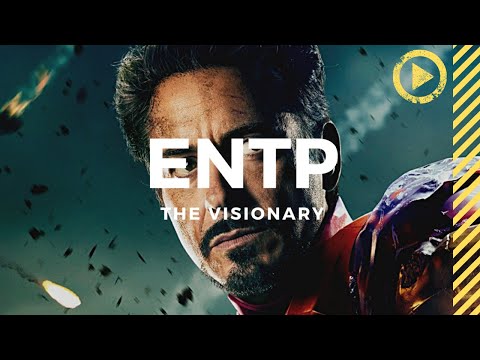
Iron Man (Tony Stark) – ENTP: Tony is all about innovation and quick thinking. He thrives in chaos but can sometimes struggle with emotional connections. His drive to prove himself often masks deeper feelings of inadequacy. You might see this when he overcompensates, like when he created Ultron, thinking he was saving the day but instead unleashed chaos.
Captain America (Steve Rogers) – ISFJ: Steve embodies loyalty and duty. He makes decisions based on values and experiences, which can make him feel out of place in modern times. His shield is not just physical; it represents his protective nature towards those he loves. But then again, this can lead to struggles with adapting to change—like seeing his best friend turn into an enemy.
Black Widow (Natasha Romanoff) – INFJ: Scarlett Johansen’s character radiates complexity. She’s intuitive and empathetic but often carries the weight of her past choices heavily on her shoulders. Her journey showcases how trauma doesn’t define you but still shapes how you connect with others—like when she sacrifices herself for the greater good.
Thor (ENTJ): The God of Thunder loves being in charge! His confidence sometimes borders on arrogance. This strong persona hides insecurities about his worthiness and identity after losing it all—including his home planet! You can see how these challenges affect his mental health, especially when he retreats from others during tough times.
Hulk (Bruce Banner) – INFP: Banner represents that internal struggle between intellect and emotion. He’s deeply sensitive but also feels isolated due to his alter ego. When he’s Hulked out, it’s more than rage—it’s a manifestation of unresolved trauma and frustration at feeling powerless in both forms.
Hawkeye (Clint Barton) – ESTP: Clint is the everyman amidst gods and superheroes; he approaches life pragmatically but often overlooks his own emotional well-being while focusing on family survival. Balance is key for him—juggling hero work with being a dad shows how difficult it is sometimes for him to manage personal expectations versus societal ones.
So yeah, these characters reveal that even superheroes face mental health dynamics just like us regular folk do! Understanding their MBTI types helps shine a light on their struggles and strengths within their stories, showing that mental health really matters no matter who you are or what powers you possess.
Exploring the Mental Health Dynamics of Avengers: A Deep Dive into Their MBTI Types
Exploring the mental health dynamics of the Avengers is, honestly, super fascinating. Each character brings their own unique blend of traits and quirks, thanks to their MBTI (Myers-Briggs Type Indicator) types. Understanding this can give us insights into their behaviors and emotional struggles.
Iron Man (Tony Stark – ENTP)
Tony’s the classic innovator. As an ENTP, he’s quick-witted and loves a challenge. But his drive for success often leads to feelings of inadequacy. You know how he sometimes feels like he’s not doing enough? That’s a huge part of his struggle with anxiety and self-worth.
Captain America (Steve Rogers – ISFJ)
Steve is all heart and loyalty as an ISFJ. He carries a lot of baggage from his past, which can lead to feelings of isolation. His strong sense of duty means he often puts others before himself, which can result in burnout or depression when he feels out of sync with modern times or unappreciated.
Black Widow (Natasha Romanoff – INFJ)
Natasha’s an INFJ, the advocate type. She’s deeply empathetic but wrestles with guilt from her past choices as an assassin. You can see her inner conflict as she tries to find redemption and connection with others. This makes her a complex character who often battles feelings of unworthiness.
Thor (ESTP)
Thor’s all about living in the moment and embracing life, which fits his ESTP personality well. However, behind that charismatic exterior lies insecurity about his worthiness—as seen during his struggles in «Infinity War.» That pressure can lead to emotional highs and lows, making him feel overwhelmed.
Hulk (Bruce Banner – INTP)
Bruce is an INTP—a thinker who loves solving problems. But man, the Hulk side brings some serious challenges! His internal battle highlights issues like anger management and self-acceptance. It shows how trauma plays a big role in his mental health dynamics; after all, living with such powerful emotions isn’t easy.
Spider-Man (Peter Parker – ESFP)
Peter’s bubbly personality as an ESFP hides deep responsibility for those around him—like balancing school life with superhero duties. He often grapples with anxiety about failing those he loves or living up to expectations. Just look at how torn he feels about keeping secrets from Aunt May!
A few overarching themes:
- Anxiety: Many characters deal with anxiety stemming from their past traumas or immense responsibilities.
- Inevitability of failure: Characters like Iron Man show that despite their strength, they fear they won’t live up to expectations.
- Isolation: Heroes like Captain America experience loneliness due to their distinct perspectives on life.
- Your relationships matter: Connections help ground many characters; without it, they feel lost.
So yeah, diving into the MBTI types gives us a clearer picture of these iconic characters’ mental health struggles! The way they navigate their challenges is relatable; after all, who hasn’t felt overwhelmed by expectations or battled with self-doubt? Understanding these nuances helps us connect better—with them and even within ourselves!
So, you know how we all have those characters in movies that really resonate with us? Like, we can totally see parts of ourselves in them? The Avengers are no different. They each bring their own quirks and complexities, which can be really eye-opening when you think about their MBTI types and how they deal with mental health.
Take Tony Stark, for instance. He’s an INTJ—super smart, always strategizing. But man, he’s got some serious issues with anxiety and depression. I mean, after the whole battle of New York thing, you remember how he just couldn’t shake off that fear? It’s like his brain was always racing. You might relate if you’ve ever felt that tornado of thoughts swirling around in your head. It can be exhausting.
Then there’s Steve Rogers, the classic ESFJ—Mr. Nice Guy who cares a lot about others. He often puts everyone else’s feelings before his own. Sounds familiar? Sometimes being the caretaker can lead to feeling burned out or even resentful if your needs get overlooked. I mean, there’s a scene where he feels so out of place when people have moved on from the war and he’s still caught up in it all—like being stuck in a loop while everyone else is moving forward.
And let’s not forget Natasha Romanoff, an INFJ who has this intense inner world going on. She experiences guilt and trauma from her past—who wouldn’t? Yet she keeps pushing through to protect her friends. It’s like she embodies that struggle between wanting to heal while also having this fierce loyalty to others.
You ever notice how Bruce Banner seems all chill at times but then BAM! Hulk mode hits when things get stressful? That dichotomy plays right into his INFP nature—deeply emotional and sensitive yet constantly battling those darker urges inside him. It’s pretty relatable when you think about managing emotions; sometimes they just come crashing down when you least expect it.
Every character has their moments where they wrestle with something deeper than just saving the world—you know? Exploring these dynamics through their MBTI types gives us a lens to see how they cope with stressors uniquely tied to their personality traits.
So yeah, reflecting on these heroes kinda opens up a conversation about our own mental health journeys too! If we can recognize parts of ourselves in these characters struggling through their issues, it might inspire us to confront our own battles head-on—and maybe even reach out for help when we need it most. At the end of the day, that connection makes us all a bit more human.