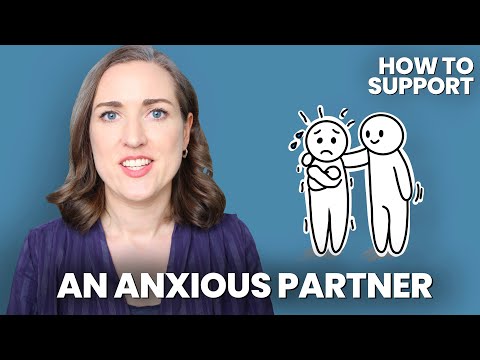
You know that feeling when you really like someone, but instead of getting closer, you kinda wanna pull back? Yeah, that’s attachment stuff at play.
Some people crave connection like it’s their lifeline. Others? They just, well, freak out a bit when things get too close. It’s like they’re on different wavelengths.
Picture this: You’re chatting with your partner about the future. One of you is all in, dreaming big; the other is sweating bullets and daydreaming about running away.
That push and pull can be exhausting! But understanding those anxious and avoidant styles goes a long way in helping you navigate love and relationships.
Let’s dig into this tangled web together!
Building Harmony: Effective Strategies for Making Anxious-Avoidant Relationships Thrive
Anxious-avoidant relationships can be a real rollercoaster. If you or your partner leans more towards anxiety while the other pulls back with avoidant tendencies, things might get tricky. You’re looking at a classic push-pull dynamic—one partner craves closeness and reassurance, while the other fears intimacy and might pull away when things get too intense. So, how do you make this kind of relationship thrive? Let’s talk about some strategies!
First off, communication is key. It seems simple, but many folks don’t realize just how important it is to express what you’re feeling openly. If something’s bothering you or making you anxious, speak up! For example, if you’re feeling neglected because your partner’s in their shell for a bit, let them know. Just remember to keep it gentle and non-accusatory—that way they won’t feel attacked and withdraw even more.
Next, consider setting boudaries. This can help both partners understand each other’s comfort levels better. Maybe it means deciding when to spend time together versus apart or figuring out what topics are too sensitive to discuss right now. When both people feel secure in what they can expect from each other, anxiety tends to decrease.
Another effective strategy is practicing emotional regulation. Basically, this means learning how to manage your feelings without letting them overwhelm you. You could try breathing exercises or mindfulness techniques. Let’s say you’re feeling particularly anxious; take a moment to breathe deeply before reacting. This pause can give you clarity and help prevent impulsive actions that could push your partner away.
Also—don’t underestimate the power of validation. When one of you expresses a feeling—like fear of abandonment for the anxious partner or fear of suffocation for the avoidant one—it’s so important for the other person to acknowledge those feelings without judgment. Just saying something like “I understand why you feel that way” goes a long way in building trust.
Another tip? Focus on fostering trust. Trust doesn’t happen overnight; it’s built slowly through consistent actions over time. Small gestures matter—a text saying “I’m thinking of you” can mean the world when tensions rise.
Additionally, keeping shared activities or rituals in mind helps too! Whether it’s binge-watching your favorite show on Fridays or having coffee every Sunday morning together, these little traditions help create a sense of connection that can soften those jagged edges caused by attachment styles.
It’s also crucial to recognize triggers on both sides—maybe certain conversations trigger withdrawal for your avoidant partner while others ramp up anxiety for the anxious one. Understanding these patterns allows both people to respond more empathetically rather than reactively.
Remember that patience plays a big role here; changing attachment styles isn’t an overnight fix! Progress takes time and effort from both sides, so celebrate small victories along the way.
Finding balance and harmony in an anxious-avoidant relationship isn’t always easy but definitely doable with these strategies in tow! It’s about working together as a team—even if it feels challenging sometimes—and reaching toward understanding rather than retreating into defense mechanisms.
So yeah, those are some ways to make this dynamic work better for you two! Just keep being open-hearted and remember that growth is part of the journey!
Understanding the Anxious-Avoidant Relationship Dynamic: Insights for Healthier Connections
Understanding the anxious-avoidant relationship dynamic can feel a bit overwhelming, but it’s really about getting a handle on how two different attachment styles interact. So, let’s break it down.
First off, what does it mean to have an **anxious** or **avoidant** attachment style? Basically, if you’re anxiously attached, you might feel insecure in your relationships. You often worry about whether your partner truly loves you and might cling to them for reassurance. On the other hand, someone with an **avoidant** attachment tends to steer clear of intimacy. They may feel suffocated by emotional closeness and often need space.
Now, when these two styles come together in a relationship, it creates this push-pull dynamic. Here’s how that usually plays out:
- Emotional Rollercoaster: The anxious partner craves closeness and validation while the avoidant partner pulls back whenever things get too intense. This can lead to feelings of frustration on both sides.
- Mismatched Needs: Imagine planning a weekend getaway where the anxious partner is excited about spending quality time together. Meanwhile, the avoidant partner just wants some alone time—cue the tension!
- Communication Breakdown: The anxious person might frequently text or call to check in, which can overwhelm the avoidant partner and make them retreat even more. It’s like a cycle that’s hard to break.
- Fear of Abandonment vs. Fear of Closeness: The anxious individual may interpret the avoidant’s need for space as a sign that they’re not interested, heightening their anxiety. Conversely, the avoidant may feel cornered by demands for connection.
I remember talking to a friend who described her relationship this way: every time things got serious—like meeting each other’s families—her boyfriend would ghost for days afterward, leaving her feeling totally abandoned and confused. It was heartbreaking because he didn’t mean to hurt her; he just couldn’t handle what he saw as emotional pressure.
So where do you go from here? Recognizing these patterns is key!
Start by being open about your needs with each other. It’s vital to express what you want without making accusations—like saying “I feel overwhelmed when we don’t talk” instead of “You never reach out!” Also, work on understanding where each person is coming from.
Creating a safe space for both partners allows room for growth. Encourage honest conversations and be patient with one another’s quirks.
To foster healthier connections:
- Set Boundaries: Find out what you’re comfortable with regarding personal space and communication frequency.
- Practice Mindfulness: This helps both partners stay grounded in moments of anxiety or avoidance!
- Counseling or Therapy: Sometimes getting an outside perspective can really help untangle those knots.
The thing here is awareness leads to change! With some effort from both sides, achieving balance is totally possible in an anxious-avoidant relationship dynamic. It’s all about understanding each other better and creating that much-needed compromise!
Understanding the Anxious-Avoidant Trap: 6 Key Signs You Should Know
So, let’s talk about something that trips up a lot of people in relationships: the anxious-avoidant trap. Basically, it’s when two people with different attachment styles—one being anxious and the other avoidant—get tangled up in a dynamic that can feel pretty confusing and frustrating. You know how it goes: one person craves closeness while the other is always backing off. It’s like they’re dancing around each other but never quite connecting.
Now, the first thing to know is what those **attachment styles** mean. If you’re anxious, you probably find yourself worrying a lot about your relationship—like, are they gonna text me back? Am I too clingy? On the flip side, avoidant types often feel suffocated by intimacy and might push away when things get too close for comfort. Pretty wild how different those mindsets are, right?
Here are some key signs that you might be caught in this trap:
If any of these signs resonate with you, don’t panic! Understanding what’s happening is already a step in the right direction. Just remember: awareness is key here. If it’s safe to do so, talking openly about your feelings with your partner can lead to better understanding and maybe even change how you relate to each other.
Navigating through these differences takes effort from both sides—like finding common ground between wanting space and needing connection. You know? Patience helps too; after all, relationships are complicated! But learning more about these dynamics can make them less overwhelming as you figure out what works for both of you.
So take it slow and don’t rush into anything crazy without talking it through first—that’s a solid plan for breaking those cycles!
So, let’s chat about attachment styles, especially anxious and avoidant ones. It’s one of those things that can really mess with relationships. You know how sometimes things just don’t feel right, and you can’t quite put your finger on it? Well, that might be due to these attachment styles.
Picture this: You’re really into someone, but every time they get a little distant or don’t reply to your texts right away, your mind goes into overdrive. You start worrying they’re losing interest. That’s kind of the anxious attachment style in action. It’s like being on a rollercoaster where you’re not sure when the next drop is coming, and it can feel super intense.
On the flip side, someone with an avoidant attachment style might react by pulling away when things start to heat up emotionally. They might feel overwhelmed by closeness and need their space. So there you are—one person craving connection while the other is trying to keep a safe distance. It can honestly feel like two ships passing in the night.
I remember a time when I was dating someone who had an avoidant style while I was definitely more anxious. We spent every moment together laughing and having fun, but as soon as I’d bring up getting more serious or wanting more commitment, he’d get quiet or change the subject. I felt like I was chasing after something that kept slipping through my fingers! My heart would race thinking maybe it was me—like I wasn’t enough.
The thing is, awareness can be a game changer here. Realizing that these patterns exist helps you take a step back instead of spiraling into doubt or frustration. If you notice you’re feeling anxious or your partner is pulling away, communication becomes key—like just saying how each of you feels without blame or pressure might help ease some tension.
At the end of the day, understanding these attachment styles doesn’t fix everything overnight—but man, it sure helps shed some light on those complicated emotions swirling around in relationships. And just knowing you’re not alone in this weird world of love is pretty comforting too!