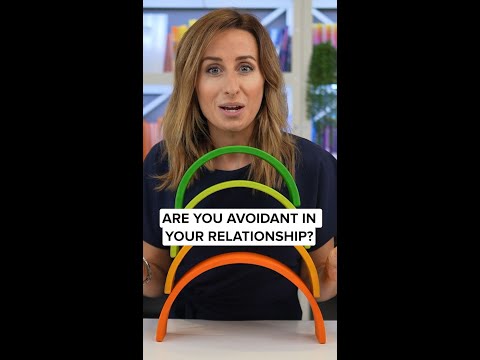
You know, love can be tricky, right? Especially when it comes to how we connect with our partners.
So here’s the scoop. Avoidant attachment—it sounds all clinical and stuff, but it’s really just how some of us deal with intimacy.
Imagine feeling close to someone but also kind of wanting to pull away at the same time. Messy, huh?
That’s what makes marriage dynamics super interesting—and sometimes complicated!
If you’re thinking about this in your own relationship, you’re not alone. Seriously, lots of folks are riding this wave. Let’s chat about what it means and how to navigate those choppy waters together!
Understanding Avoidant Personality: Do They Get Overwhelmed Easily?
Avoidant personality traits can often leave someone feeling like they’re walking a tightrope, balancing their need for connection with a fear of getting too close. If you’re wondering whether people with avoidant personality traits tend to get overwhelmed easily, the answer is a bit complex.
People with avoidant tendencies often struggle with feelings of discomfort in social situations. They might find themselves anxious or stressed when faced with too much intimacy or emotional vulnerability. You know how it feels when you’re at a party, and suddenly everyone’s looking at you? Imagine that kind of alertness all the time, especially during deeper conversations.
Now, let’s unpack this a little more. Avoidant individuals may have grown up in environments where expression of feelings wasn’t encouraged. So they learned to put up walls to protect themselves from rejection or judgment. When these walls start crumbling due to intimacy—which is common in partnerships—they can feel totally flooded by emotions and stress.
You might wonder how this plays out in marriage dynamics, right? Well, let’s say your partner is avoidant. When things start to heat up emotionally—maybe during an important discussion about your future—they might suddenly pull away or shut down. It’s not that they don’t care; it’s more like their brain hits the panic button.
Here are some things that might happen when someone with avoidant traits feels overwhelmed:
- Withdrawal: They may retreat into themselves or change the subject.
- Avoidance: Trying to sidestep deep conversations altogether.
- Emotional shutdown: Feeling numb or unable to express how they feel.
These reactions are coping mechanisms that help them manage their anxiety around closeness. Think about it: it’s like being stuck between wanting love and fearing it at the same time.
There are ways you can help if you’re navigating this kind of relationship. Being patient and creating a safe space for your partner is key. Gently encouraging them—even if it takes baby steps—can make all the difference over time.
So yeah, while people with avoidant personality traits can certainly experience overwhelm easily, understanding where this comes from helps create empathy between partners. It also opens up pathways for better communication and connection in any close relationship!
Navigating Marriage with an Avoidant Partner: Effective Strategies for Connection and Understanding
Navigating marriage with an avoidant partner can feel a bit like walking on eggshells sometimes. Your partner might pull away when things get too close, and this can leave you feeling confused or even rejected. Understanding what’s behind that behavior is key to building a stronger connection.
Understand Avoidant Attachment. So, your partner might have an avoidant attachment style. This means they often prioritize independence over closeness. They may have grown up feeling like they couldn’t rely on others, which makes opening up tough for them. It’s not that they don’t love you; it’s just that vulnerability can be scary.
Give Space but Stay Close. One effective strategy is to give them space when they need it. But here’s the kicker—let them know you’re there when they’re ready. This isn’t about being distant but showing respect for their need to step back sometimes. Think of it as leaving the door open; you’re still close enough for them to walk in when they feel safe.
Communicate Openly. Communication is huge! When you talk, aim for openness and clarity without putting pressure on them to respond in a specific way right away. Maybe say something like, “I’d love to hear how you’re feeling about us.” That way, you create a safe space for discussion without overwhelming them.
Acknowledge Their Feelings. Seriously, validation goes a long way. Even if their feelings seem irrational or confusing to you, acknowledge them anyway. Try saying something like, “I understand this feels overwhelming.” It shows you’re not dismissing their experience, even if it’s hard to relate.
Be Patient and Consistent. Building intimacy takes time with someone who has an avoidant attachment style. You might have some ups and downs—don’t lose heart! Being patient and consistently showing understanding can help foster trust over time.
Let me tell you about Jessica and Mark—a couple I know really well. At first, Jessica felt rejected whenever Mark pulled back during intense moments of connection. But then she learned about his avoidant attachment style and started giving him space while reassuring him she was there for him whenever he was ready to talk things out again. Over time, Mark started feeling safer sharing his feelings without the fear of being overwhelmed by intimacy.
Seek Professional Support. If things get tricky, don’t hesitate to seek help from a therapist who understands attachment styles! Sometimes having a neutral third party can really help both partners communicate more effectively and understand one another better.
In sum, navigating marriage with an avoidant partner is all about balancing understanding with communication while providing the space they need without losing touch entirely. You’re definitely not alone in this journey!
Understanding Avoidant Attachment: Improving Marriage Dynamics for Couples with Children
Avoidant attachment can really shake things up in a marriage, especially when kids are thrown into the mix. It’s one of those things that might seem pretty abstract, but it has a big impact on how couples connect. So, let’s break down what this all means and how you can work through it together.
First off, what is avoidant attachment? It’s basically a style that stems from early relationships with caregivers. Kids who develop this style tend to pull back when it comes to emotional closeness. They prioritize independence and often feel uncomfortable relying on others or being relied upon. But here’s the kicker: these patterns can carry into adult relationships.
When you’ve got one partner with avoidant attachment in a marriage, the dynamics can get tricky, especially when there are children involved. For instance, let’s say Sarah feels overwhelmed by her husband Mark’s need for space after a long day with their kids. She might misinterpret his need for distance as rejection or indifference, which can lead to conflict.
- Communication is key: Seriously, talking about feelings is essential. Mark needs to be transparent about his need for alone time so Sarah doesn’t feel abandoned.
- Find balance: Couples should find times for both connection and solitude. Maybe it’s a designated ‘me time’ once the kids are asleep.
- Emotional check-ins: Regularly checking in with each other emotionally helps keep misunderstandings at bay.
Now let’s talk about the kiddos in all this. Children pick up on their parents’ dynamics like little sponges. If they see one parent pulling away or avoiding tough conversations, they might think that’s how you deal with feelings overall. This could lead to them developing similar avoidant traits down the line.
So what can you do? One approach is modeling healthy emotional expression. If Mark shows Sarah how he recharges while still making time for family moments—like playful activities with their kids—it teaches everyone involved about balance.
And here’s where support comes in handy too! Therapy can be super beneficial for couples grappling with these dynamics. A professional can help navigate tough conversations and build tools to improve your relationship’s emotional climate.
In essence, understanding avoidant attachment isn’t just about recognizing behaviors; it’s about shifting those behaviors together as a team. That way, your marriage dynamic gets stronger—and your kids get a front-row seat to healthy relationships—one of life’s best lessons!
Alright, let’s talk about avoidant attachment and how it can shake things up in a marriage. So, you know how some folks kinda keep their distance emotionally? That’s what we call avoidant attachment. It’s like having this internal alarm system that goes off whenever things start getting too close for comfort. I mean, how many times have you talked to your partner about feelings and they just, like, shut down or withdraw? Super frustrating, right?
Picture this: You’re having a cozy dinner with your spouse. Everything seems perfect, but then you bring up something a bit deeper—like future plans or feelings—and suddenly it feels like the air has shifted. Your partner starts checking their phone or changing the subject. It’s awkward. You might feel rejected or even question if they love you as much as you love them. Seriously, it can sting.
In these moments, it’s important to remember that it’s not really about you personally—they’re dealing with their own stuff too. Avoidant individuals often have this fear of losing themselves in closeness or vulnerability. They’ve learned somewhere along the line that keeping their heart guarded is safer than risking potential pain.
This dynamic can lead to misunderstandings and frustration on both sides. You might feel like you’re chasing after their affection while they’re feeling overwhelmed by what seems to them like emotional clinginess. But here’s the thing: communication is key! Finding a way to gently express your needs without triggering their defenses can make a world of difference.
For example, instead of saying “You never share your feelings,” maybe try “I’d love to hear what you think about this.” It’s more inviting and less accusing, and helps create an open space for dialogue.
Navigating avoidant attachment in marriage isn’t easy; it requires patience and constant tweaking of how we interact with each other. But hey! With time and understanding, couples can learn to bridge that gap beautifully—like a dance that gets better with practice.
So if you’re in this situation or know someone who is—take heart! No relationship is perfect; it’s all about learning and growing together along the way.