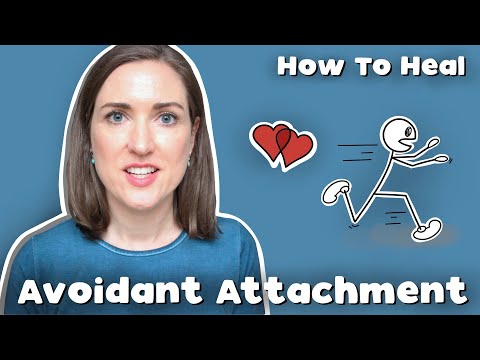
You know that feeling when you really like someone, but the thought of getting close freaks you out? Yeah, that’s avoidant attachment for you. It’s like your heart wants to connect, but your brain’s all «Whoa, hold up!»
If you’ve ever found yourself pushing people away or keeping them at arm’s length, you’re definitely not alone. Many of us struggle with this. It’s complicated and kinda frustrating, right?
But here’s the thing: you can totally work through it. Seriously! Let’s chat about what that looks like. We’ll dig into some easy ways to start building those connections without feeling like you’re on a tightrope. You in?
Overcoming Avoidant Attachment: Steps to Build Healthier Relationships
Building healthy relationships when you have an avoidant attachment style can feel like climbing a mountain most days. You might find yourself pulling away from those who care about you, even when you want to connect. Overcoming this tendency involves understanding it first and then actively working on it.
Recognizing Your Attachment Style is the first step. Avoidant attachment often stems from early experiences where emotional needs weren’t fully met. You might feel uncomfortable with closeness or fear that others will let you down. Being aware of these patterns can help you make more conscious choices in your interactions.
Next, try identifying Triggers. Pay attention to situations that make you want to withdraw. Is it when someone gets too close emotionally? Or maybe when they express their feelings? Understanding what triggers your avoidance can empower you to face those moments instead of running away.
Now, it’s all about practicing Vulnerability. This might seem scary, but sharing your feelings or fears with someone you trust can be a game changer. Start small—maybe tell a friend about something that made you anxious this week. The more comfortable you get with sharing little things, the easier it becomes to open up about bigger stuff later.
Another biggie is setting Healthy Boundaries. It’s okay to need space sometimes; just communicate that clearly to the people in your life. For example, if you’re feeling overwhelmed and need time alone, saying “Hey, I really appreciate our time together, but I need some me-time right now” can help them understand without feeling rejected.
Also, consider working on Self-Compassion. Treat yourself like you’d treat a friend going through similar challenges. When things get tough or you feel like you’re slipping back into avoidance mode, remind yourself it’s okay—you’re trying and that’s what matters.
And don’t underestimate seeking Professional Support. A therapist can really help explore these patterns and offer tailored strategies for overcoming them in your relationships. They can create a safe space for you to work through this stuff at your own pace.
Finally, practice some Mindfulness Techniques. Being present in the moment helps ground you and reduces anxiety about connecting with others. Whether it’s through meditation or simply taking deep breaths before responding emotionally in a conversation, being mindful can shift how you engage with others.
So yeah, while overcoming avoidant attachment won’t happen overnight—it’s totally possible! Just take it step by step. Celebrate your progress along the way; each small leap towards connection is worth acknowledging!
Healing Avoidant Attachment in Relationships: Strategies for Connection and Growth
When it comes to relationships, having an avoidant attachment style can be pretty tricky. You may find yourself feeling uncomfortable with closeness or intimacy. It’s like, you want connection, but your mind is like “back away.” This often makes it hard to build strong bonds with those you care about. So how do you cope with this? Let’s break it down.
Recognize Your Patterns
First off, awareness is key. It’s super helpful to spot your own behaviors and feelings in relationships. Maybe when things start getting serious, you find yourself pulling away. Or perhaps, you keep your partner at arm’s length as a way of protecting yourself. A little self-reflection goes a long way here.
Practice Vulnerability
Now, this may sound daunting, but practicing vulnerability is a big deal in breaking this cycle. Share small bits of your thoughts or feelings over time. Start with something minor—like sharing what made you happy or anxious that day. The more you open up, the easier it gets!
Communicate Openly
Talking openly can feel foreign if you’re used to shutting down emotions. But here’s the thing: communication is where connection happens! Express what you’re feeling instead of hiding behind walls. If you’re feeling overwhelmed by intimacy, say so! Your partner will appreciate that honesty and might even feel the same way.
Set Boundaries
It’s totally okay to set boundaries around how much affection or attention feels comfortable for you at first. Just let your partner know what those boundaries are—it’s important for them to understand what works for both of you.
Seek Therapy Support
Sometimes going it alone feels like too much weight on your shoulders. That’s totally normal! Consider seeking therapy where a professional can guide you through these emotional challenges and help reshape how you approach relationships.
Build Trust Gradually
Trust doesn’t happen overnight; it’s built bit by bit! Try doing small things together that foster trust and dependence without feeling suffocating. This could be simple activities like cooking dinner together or tackling a project as a team—whatever feels low-pressure yet bonding.
Acknowledge the Fear
Fear often drives avoidant attachment styles—fear of being hurt or losing yourself in another person can feel overwhelming at times. It helps to acknowledge that fear exists; you’re not alone in feeling this way! Just recognizing it lets you take back some control.
Cultivate Self-Compassion
Don’t forget to treat yourself kindly throughout this journey of relationship growth! Be patient with yourself when things don’t go perfectly or feel awkward—you’re learning and evolving!
Navigating avoidant attachment is challenging but entirely possible with intention and effort. You’ve got the power within yourself to create better connections and foster deeper relationships if you’re willing to take those steps forward! And remember, every little effort counts towards healing and growth.
Effective Strategies for Managing Avoidant Attachment Triggers
When it comes to navigating relationships, having an avoidant attachment style can feel like a rollercoaster. Think of it as being stuck in your own little bubble, where intimacy feels super uncomfortable but you still crave connection. What happens is that when things get too close or personal, you might want to pull away or keep your distance. It’s not about not caring; it’s just how you learned to cope with emotional closeness. So, let’s unpack some effective strategies for managing those avoidant attachment triggers.
Recognize Your Triggers. The first step is figuring out what sets off those avoidant feelings. Is it when your partner wants to talk about feelings? Or maybe when they make plans for the future? Knowing your specific triggers can help you anticipate them and prepare yourself emotionally. For instance, if your partner mentions wanting to spend more time together, that could bring up feelings of suffocation for you.
Practice Mindfulness. Mindfulness isn’t just a fancy buzzword—it’s a way to ground yourself in the moment. When you feel that urge to withdraw creeping up on you, try focusing on your breath or noticing what’s around you. This can help keep the panic at bay and allow space for you to respond rather than react impulsively.
Communicate Openly. You might think talking about your feelings is scary—it’s like standing on stage without pants! But sharing what you’re experiencing with your partner can actually strengthen your bond. You could say something like, “I’m feeling overwhelmed right now and need some space.” This not only expresses where you’re at emotionally but also invites understanding from your partner.
Challenge Negative Thoughts. When you’re feeling triggered, it’s easy for negative thoughts to spiral out of control—like thinking nobody really loves you or that intimacy equals losing independence. Challenge these thoughts by reminding yourself of positive experiences you’ve had in relationships or listing qualities about yourself that are lovable.
Gradual Exposure. This strategy involves slowly introducing more intimacy into your relationship at a comfortable pace. If being vulnerable feels daunting, start small—maybe share a little secret about yourself or ask your partner about their day in detail. As you get more comfortable over time, aim for deeper conversations.
Develop Healthy Boundaries. It’s okay to have boundaries! Setting them doesn’t mean pushing someone away; it’s about creating a balanced space where both partners feel safe and respected. If you’re feeling crowded by too many plans or emotional demands, communicate this clearly.
Seek Professional Support. Sometimes navigating these patterns alone can be tricky—no shame in reaching out for help! A therapist who understands attachment styles can provide valuable tools tailored specifically for you.
In any relationship journey—especially with an avoidant attachment style—progress takes time and patience; it’s totally normal to have ups and downs along the way. With these strategies under your belt, you’ll be better equipped to manage those tricky avoidance triggers while nurturing deeper connections with others. Remember: it’s all about taking one step at a time!
You know, dealing with relationships can be pretty tricky, especially if you’ve got that avoidant attachment style lurking in the background. It’s like having this sneaky little gremlin whispering in your ear, telling you to keep your distance and not get too cozy with anyone. I mean, the idea of intimate connection sounds lovely, but the closer someone gets, the more you feel that urge to back off. Can you relate?
I remember a friend of mine who had this issue big time. She was amazing—funny, smart, and always there for her pals. But when it came to dating? Total ghost mode! She’d go out with a guy for a bit, then suddenly pull away. It was like watching someone retreat into their shell whenever things felt too real or serious. And honestly? It was heartbreaking for her and kind of confusing for the guys she dated.
So let’s break it down a little. Avoidant attachment usually stems from early experiences—maybe things weren’t super stable or nurturing growing up. When people get used to not relying on others or showing vulnerability, they carry that into their adult relationships. They might feel overwhelmed by emotional closeness or fear being hurt again.
Overcoming this isn’t an overnight deal—it takes time and a bit of work. One thing that helps is acknowledging those feelings instead of pushing them aside like they’re just some annoying pop-up ad on your phone! Seriously, leaning into what you’re feeling can be super freeing.
You can start by practicing small steps toward intimacy: opening up about your thoughts and feelings gradually with someone you trust. It’s like dipping your toes in the water before jumping in—all good things take time! And talking about your tendencies with your partner? Huge move! It sets the stage for understanding and compassion on both sides.
And look—working on this stuff means allowing yourself to mess up sometimes because hey, we’re all human here! You might feel anxious or pull back again after making progress—it’s normal! Just remember to be gentle with yourself during those bumps along the road.
Anyway, I guess what I’m getting at is don’t let that avoidant attachment rule your love life forever. With patience and practice, you can definitely turn around those patterns and build meaningful connections without feeling trapped by fear or old habits. You deserve real connection—don’t forget it!