Parenting is tough, right? You’ve got all these expectations, and then there’s your own baggage. It’s a lot to juggle.
So, picture this: you’re doing your best, but there’s this little voice in the back of your head telling you to keep your distance. That’s an avoidant attachment style creeping in.
It can get pretty confusing. You want to be close to your kids, but sometimes it feels safer to pull away.
Let me tell you—you’re not alone in this. A lot of people feel the same way. It helps to talk about it and figure things out together.
In this chat, we’re gonna dig into what avoidant attachment looks like in parenting and how you can navigate it better. Ready? Let’s see where this goes!
Understanding the 30% Rule in Parenting: A Guide to Balanced Involvement
So, let’s talk about the 30% Rule in parenting. It’s a pretty useful concept that can help you figure out how to balance your involvement with your kids, especially if you’re navigating some tricky emotional stuff, like an avoidant attachment style.
The thing is, if you’re dealing with avoidant attachment, you might find it tough to connect deeply with your kids. You know? Like, there can be a hesitance to get too close because of fears about vulnerability or losing independence.
Now, this is where the 30% Rule comes into play. Basically, the idea is that you should aim to be involved in your child’s life about 30% of the time. This doesn’t mean you ignore them; it just means finding that balance where you’re present but not overwhelming. Let’s break it down:
- Moderate Engagement: The goal isn’t to be hyper-involved or completely distant. Think of it as giving your child space to grow while still being around for support.
- Quality Over Quantity: It’s better to share meaningful moments rather than flooding their lives with activities. Try going for walks together or reading bedtime stories instead of scheduling every minute of their day.
- Avoid Over-Attachment: For those with an avoidant style, getting too close can feel scary. By sticking to this rule, you maintain some distance while still being a caring parent.
A quick example might help illustrate this—imagine a dad who usually feels uncomfortable showing emotions. Instead of avoiding his son at all costs during tough times, he decides to spend intentional time together on weekends—like shooting hoops or watching movies. That way, he keeps his distance some days but still offers presence when it counts.
This approach can also help reduce anxiety for both parent and child. You see, by not overwhelming yourself and keeping things light on the emotional front during those parent-kid interactions, everyone gets a chance to breathe a little easier.
Furthermore, practicing this balanced involvement encourages kids to build their own independence gradually. They learn that it’s okay to seek support without feeling smothered and develop healthy ways of relating.
You know what? Parenting’s tricky enough already without adding unnecessary stress—or worse—a sense of guilt over how involved you should be! The 30% Rule offers a framework that’s adaptable yet grounded in healthy interactions. The goal is connection without suffocation!
Remember: it’s all about finding what works for both you and your little ones while respecting everyone’s emotional space and needs..
Understanding the Parenting Styles of Avoidant Individuals: Insights and Impacts
So, let’s talk about the parenting styles of people who have an avoidant attachment style. This is pretty interesting stuff because it really shapes how they interact with their kids, you know? First off, avoidant individuals usually have a hard time with emotional connections. They tend to keep their distance from others, which can play a big role in how they raise children.
What does that mean for parenting? Well, basically, these parents might struggle with being emotionally available to their kids. They might think that giving too much affection or being too involved will lead to dependence or clinginess. Because of this belief, they often lean towards a more hands-off approach. Imagine a parent who’s always busy or distracted—this can leave kids feeling neglected.
Here are some key points about how the avoidant style impacts parenting:
- Emotional Distance: Avoidant parents might not express feelings openly. Kids may feel unsure about sharing their own emotions.
- Independence Over Connection: These parents value independence highly. They often push their kids to be self-sufficient from an early age.
- Avoidance of Conflict: When disagreements arise, avoidant parents might withdraw rather than engage in tough conversations, leaving issues unresolved.
- Difficulty with Affection: Physical affection like hugs or cuddles may be less frequent, which can impact the child’s sense of security.
- Lack of Engagement: Avoidant moms and dads might not participate much in activities with their kids, leading them to feel undervalued.
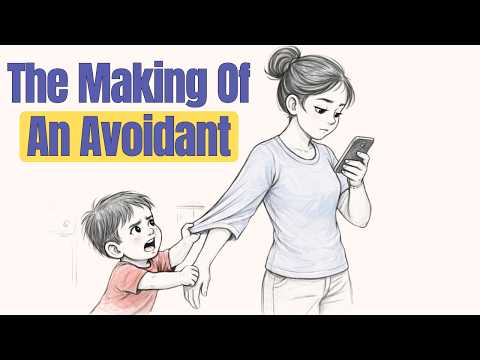
Now picture this: A child comes home from school excited about something new they learned but finds mom or dad glued to their phone. It’s like the kid is talking into thin air! This scenario showcases how avoidant behaviors can create gaps in communication and connection.
The long-term impacts on children can be significant. Kids raised by avoidant parents sometimes develop similar traits themselves. They might struggle with forming close relationships and expressing emotions later in life—kind of like a cycle that keeps going unless someone breaks it!
But here’s the thing: it’s not all doom and gloom! Awareness is powerful. If someone recognizes these patterns in their own upbringing or parenting style, they can take steps to change them—like working on being more open and available emotionally for their kids.
Overall, understanding these dynamics helps everyone involved become more aware of how attachment styles play into family life and relationships. So if you ever notice those behaviors popping up around you—or within yourself—it could be a great opportunity for growth!
Understanding the Challenges: The Hardest Attachment Style to Live With
Living with an avoidant attachment style can be super challenging, both for you and the people around you. This style often means that you might struggle with intimacy and feel a strong urge to keep a distance in relationships. It’s like being in a tug-of-war between wanting closeness and pushing others away, which can be exhausting.
What Exactly is Avoidant Attachment?
So, let’s break it down a bit. If you have an avoidant attachment style, you likely learned early on that relying on others might not really be safe or dependable. Maybe your caregivers weren’t super responsive when you needed them, leading you to develop a sense of self-sufficiency—sometimes to the point where you’re not sure how to lean on anyone else without feeling anxious.
Parenting Challenges
Now, if you’re trying to parent while dealing with this attachment style, things can get pretty complicated. You might find it hard to connect emotionally with your kids. For example, if your child climbs into your lap wanting comfort after a tough day at school, instead of embracing them fully, you could feel overwhelmed by the need for space. That instinct can lead to them feeling rejected or unloved which isn’t what any parent wants.
Emotional Rollercoaster
And let’s talk about emotions! You might battle feelings of loneliness while simultaneously pushing people away because closeness feels scary. It’s like being stuck in an emotional maze where every turn feels like running into a wall. The back-and-forth can also confuse those who care about you—their attempts at intimacy may seem too demanding or intrusive.
Some Key Points About Living With This Style:
- Coping Skills: You may rely heavily on logic over emotions which isn’t always helpful.
- Avoidance Strategies: You could distract yourself with work or hobbies instead of facing relationship issues.
- Fear of Rejection: There’s often an underlying anxiety about being rejected if you show vulnerability.
- Impact on Relationships: Friendships and romantic ventures might feel distant or fraught with tension.
Taking Baby Steps Forward
It’s totally possible to change these patterns though! Acknowledging what’s going on is step one. You could consider therapy as a way to explore these feelings and learn healthier ways of relating to others, especially your kids. Learning how to communicate effectively can gradually help craft more secure attachments over time.
In essence, living with avoidant attachment can be tough but recognizing it is half the battle. So take it slow, be kind to yourself, and don’t hesitate reaching out for support when needed!
You know, parenting is like the ultimate journey—you’re constantly learning, growing, and sometimes just trying to hold it all together. But if you happen to have an avoidant attachment style, things can get a little trickier. It’s kind of like being in a boat where you want to paddle forward but find yourself pulling back instead.
Let’s break it down a bit. When you think about avoidant attachment, it usually stems from early relationships—you know, those formative years with caregivers that shape how we connect with others. If you grew up feeling that closeness was either unreliable or overwhelming, you might have developed this self-protective way of relating that’s hard to shake off.
I remember a friend once told me about how he struggled with this while raising his daughter. He really loved her but found himself keeping her at arm’s length. It wasn’t intentional! He just didn’t know how to bridge that gap emotionally. And honestly? It broke his heart when he realized she needed more affection than he naturally offered.
Now, as parents, we often want our kids to feel loved and secure, but if you’ve got an avoidant style, you might tend to withdraw when they need intimacy—maybe because you’re feeling overwhelmed or anxious yourself. The thing is, kids are super intuitive and pick up on these vibes quickly! They might start feeling rejected or think they’re not worthy of love. That’s rough.
So what do you do? Well, recognizing your pattern is the first step—realizing that it’s okay to crave distance sometimes but also understanding that your child needs those connections to thrive. You might try easing into more physical affection slowly, like hugs or holding hands during storytime. You know? Little steps matter here.
It can be tough for sure—because change doesn’t happen overnight—but every effort counts. Working through these feelings can help you build stronger bonds with your kids while also starting your own healing process too.
At the end of the day, parenting isn’t just about them; it’s also a chance for us to reflect on our own experiences and grow together with our children along the way. Embracing this journey can be messy and beautiful all at once!