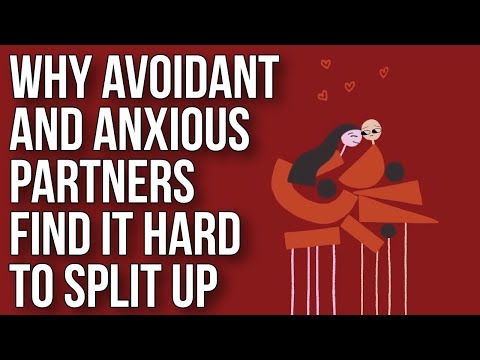
Have you ever found yourself in a relationship where you just can’t figure out what the other person wants? Like, one minute they’re super warm, and the next, they’re pulling away?
That’s attachment styles for you. They can seriously mix things up in your love life. You’ve got the avoidant types who shy away from closeness, and then there are the anxious folks who crave security but feel insecure.
It’s a wild ride! Honestly, trying to navigate these different styles can feel like you’re playing emotional dodgeball. But once you get a grip on it, it can transform how you connect with others.
So let’s chat about it! We’ll break down these styles and explore how to handle relationships like a pro—while keeping your sanity intact. Sound good?
Navigating Love: Can Relationships Between Avoidant and Anxious Attachment Styles Thrive?
Navigating love can be tricky, especially when you throw attachment styles into the mix. You’ve probably heard about **avoidant** and **anxious** attachment styles, right? Well, let’s break this down.
People with an **avoidant attachment style** often value independence and can struggle with intimacy. They may distance themselves emotionally when things get too close, feeling overwhelmed by the intimacy that a relationship brings. You know that feeling when you want to pull away even though it feels good to be close? Yep, that’s avoidance for you.
On the flip side, folks with an **anxious attachment style** crave closeness and reassurance. They tend to worry about their partner’s feelings and whether they’re loved enough. Imagine being in a relationship and constantly worrying if your partner is going to leave you or if they really care—that’s anxiety in action.
Now, put these two together—the avoidant and the anxious individual—and you’ve got a potential recipe for misunderstandings.
- Communication Barriers: Often their communication styles clash. The anxious partner might reach out for more connection or reassurance while the avoidant one pulls back even more.
- Cycle of Push and Pull: This creates what many call a “dance.” The avoidant partner pushes away when things heat up, while the anxious partner chases after them.
- Emotional Rollercoaster: Over time, this push-pull dynamic can lead both partners feeling frustrated or even burned out.
But here’s where it gets interesting: they can thrive together if both are willing to work on it. Seriously! It requires **understanding**, **patience**, and a whole lot of self-awareness.
Imagine a couple where one is super laid-back (the avoidant) while the other is more like a tightly wound spring (the anxious). If they talk openly about their needs—like maybe setting aside time for heart-to-heart chats without distractions—they could help bridge that gap between them.
They might have to set some ground rules around communication too—for example, agreeing on how often they check in with each other throughout the day so that the anxious partner feels secure but not smothered.
That emotional rollercoaster I mentioned earlier? It doesn’t have to be all ups and downs; it can turn into something smoother over time with trust-building exercises or couple’s therapy where they explore these issues together.
So yeah, relationships between people with avoidant and anxious attachment styles can definitely thrive! It just takes some effort from both sides—seriously! If they commit to understanding each other better while respecting their differences, you’d be surprised how beautifully that bond can grow.
Navigating Anxious-Avoidant Relationships: Effective Strategies for Harmony and Connection
Navigating a relationship where one partner has an anxious attachment style and the other has an avoidant style can feel like walking a tightrope—sometimes thrilling, often unnerving. You might find yourself caught in a push-pull dynamic, where one person craves closeness and the other seems to want to pull away. But hey, it’s totally possible to find harmony. Here are some strategies to help you connect better.
Understand the Attachment Styles: First off, let’s break it down. People with an anxious attachment style often fear abandonment and crave emotional closeness. They might text you constantly or seek reassurance. On the flip side, those with avoidant styles value their independence and may feel overwhelmed by too much intimacy.
Communicate Openly: Seriously, communication is key! Share your feelings without blaming each other. For instance, if your partner pulls away when you get too close, try saying something like, “I feel anxious when we don’t talk for a while.” This opens up a conversation without putting them on the defensive.
Set Boundaries: Healthy boundaries are super important in any relationship but especially here. For example, if your anxious partner needs time to talk things out and your avoidant partner needs space to process feelings, make it clear what each of you needs—and respect those requests.
Practice Patience: Look, it takes time to change patterns that have been ingrained for ages. So be patient with each other! If your avoidant partner needs a day alone every now and then, give that space freely instead of letting anxiety take over.
Use “I” Statements: When discussing feelings or issues, stick with “I” statements instead of “you” accusations. Instead of saying “You never listen,” try something like “I feel unheard sometimes.” This way of expressing yourself can decrease defensiveness and encourage dialogue.
Cultivate Trust: Building trust takes effort but is so worth it! Engage in small acts that demonstrate reliability—like being punctual or following through on promises. These little things help both partners feel more secure.
Seek Professional Help Together: Sometimes it’s just hard to navigate these waters alone, and that’s okay! A couples therapist can provide tools tailored just for your unique situation. It’s like having a guide when hiking through tough terrain.
Relationships filled with these contrasting styles can indeed be tricky at times; think of it as trying to blend two different flavors into one delicious dish—you need balance! But remember: every couple has their challenges; anxiety and avoidance don’t define you or your partnership completely.
So yeah—recognizing each other’s triggers and finding ways to meet halfway can lead not just to harmony but also deeper connections over time. Keep working on those strategies together—you got this!
Recognizing the Signs: When to Walk Away from an Anxious-Avoidant Relationship
An anxious-avoidant relationship can be really tricky. You know, it’s that situation where one person craves closeness and reassurance, while the other is more about keeping their distance to feel comfortable. It’s like dancing with a partner who keeps stepping on your toes, making you question if you should stick around or just step away.
Recognizing when to walk away is essential for your well-being. Here are some signs to watch for:
1. Constant Anxiety: If you feel on edge all the time, like waiting for the next emotional storm. It’s draining, right? Instead of feeling secure and loved, you’re often left feeling insecure about their feelings.
2. Communication Breakdowns: Does talking about feelings feel like pulling teeth? When sharing your thoughts leads to frustration or shutdowns instead of healthy conversations, it’s a red flag.
3. Emotional Dismissal: If your partner brushes off your emotional needs consistently or makes you feel silly for wanting connection, that’s a biggie. Everyone deserves to feel heard and validated in a relationship.
4. Patterns of Avoidance: Notice how they respond when things get tough? If they habitually ghost during conflicts or avoid serious discussions altogether, it’s not just annoying; it can be damaging.
5. Feeling Alone: Relationships are supposed to give you that warm fuzziness! If you often feel lonely even when you’re together, that signals something’s off.
Remember my friend from college? She was in a relationship like this—she’d pour her heart out only to hear her partner brush it aside with “You’re too sensitive.” Over time, she realized that constant rejection wasn’t love; it was further isolating her emotionally.
Sometimes the hardest part is realizing that love should uplift and not weigh you down. So if your gut tells you this isn’t working out anymore, seriously consider taking a step back for your own peace of mind.
6. Lack of Trust: Trust issues can eat away at any connection. If you’re constantly questioning their loyalty or intentions because they keep pulling away, it’s definitely worth pausing and reflecting on how healthy that feels.
At the end of the day, trusting yourself matters most. Listen to those inner nudges telling you when something isn’t quite right. You deserve a relationship where both people feel secure and valued—not one where walking on eggshells is your daily routine!
Walking away doesn’t make you weak; sometimes it makes you stronger for knowing what you need in life!
Navigating relationships can feel like a wild roller coaster, especially when you throw attachment styles into the mix. If you’ve ever felt that tension between wanting to get close to someone and then pulling away, or if you notice your partner constantly needing reassurance, there’s a good chance you’re dealing with avoidant and anxious attachment styles.
I mean, picture this: you’re really into someone, and one minute everything feels amazing. You’re laughing, sharing stories, maybe even holding hands. But then—bam!—you sense that familiar hesitation creeping in like an unwelcome guest. Your partner seems distant or starts to pull away emotionally. Suddenly it’s like your heart drops into your stomach because you just can’t shake the worry: “What did I do wrong? Do they even like me?”
On the flip side, think of someone who needs constant reassurance. You might have a friend or partner who wants to text all day just to make sure you’re still in it together. And while that might feel sweet for a moment—“Aw, they care!”—it can also feel overwhelming. You start feeling trapped by their neediness and wish they could just relax for a second.
What’s tough is understanding where these behaviors come from. Avoidant folks often grew up with emotional distance; they learned not to rely on anyone for support, so they keep their hearts locked up tight. Anxious types might have faced inconsistency in relationships from an early age, making them hyper-aware of any signs of rejection or abandonment.
It’s a classic dance where both partners are trying to meet their own needs but often end up stepping on each other’s toes instead. So how do you navigate this? Communication is key—you’ve got to talk openly about your feelings and needs without judgment.
For example, I had this friend who was super anxious in her relationship with her boyfriend who had avoidant tendencies. They’d fight about small things because she would want more closeness while he needed space. Once she started openly expressing her fears without blaming him for his reactions, things slowly turned around—they found a way to compromise that made them both feel heard.
At the end of the day, it’s about recognizing these patterns as part of being human instead of something inherently wrong with either person. Yeah, it might take some time and patience—but understanding those attachment styles can lead to healthier relationships where both partners feel secure enough to be themselves. And isn’t that what we all really want?