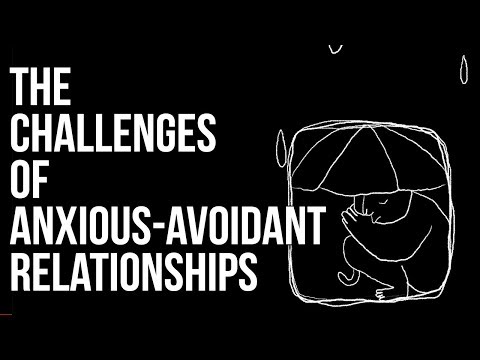
You know that feeling when you really want to connect with someone, but something just holds you back? Yeah, that’s tough.
It’s like your heart wants to reach out, but your mind’s all, “Whoa there!”
That push and pull can be super confusing. And honestly, it can mess with your relationships in a big way.
If you’ve ever felt this way, or if you’ve noticed someone in your life kinda drifting away emotionally, let’s talk about avoidant insecure attachment.
It’s a real thing. You’re not alone in this struggle!
Overcoming Insecure Avoidant Attachment: Strategies for Building Healthy Relationships
It’s pretty common to hear about attachment styles these days, and if you’re dealing with an insecure avoidant attachment, you’re not alone. This style often leaves folks feeling like they want closeness but also fear it at the same time. So let’s talk about how to build healthier relationships when that’s your style.
Understanding Your Attachment Style is a great way to start. You might notice yourself pulling away when things get too close or feeling overwhelmed by emotions. It’s like when you’re watching a movie, and everything’s going fine until suddenly there’s a scene so intense that you just want to hit pause or turn away. Recognizing this pattern can help you learn more about yourself and how you relate to others.
Practice Communication. This is a biggie! Opening up might feel scary, but sharing your thoughts can really help solidify connections with others. Imagine telling your partner that you’re feeling overwhelmed instead of retreating. It might feel vulnerable, but it could also deepen your bond.
Set Healthy Boundaries. You don’t have to dive into emotional waters headfirst if you’re not ready. Setting clear boundaries helps protect your space while still allowing for connection. Think of it like having a safe zone where you can still enjoy the company of others without feeling suffocated.
Gradual Exposure is another approach that works wonders. Instead of jumping into intense emotional situations, ease in slowly. Like dipping your toes in cold water before you take the plunge! Try spending more time with friends or family, maybe even one-on-one settings where everything feels less overwhelming.
Work on Self-Compassion. It’s easy to beat yourself up for being avoidant or feeling closed off sometimes. Cut yourself some slack! Accept that nobody’s perfect and that working through these feelings takes time and patience. Treat yourself with the same kindness you’d offer a friend who’s struggling; it makes all the difference.
Therapy Can Be Super Helpful. Engaging with a professional who understands attachment styles can be really eye-opening. They can provide tailored strategies and insights into why avoiding intimacy is part of your approach to relationships—like shining light on areas you’ve been hesitant to explore on your own.
And hey, remember:
Building healthy relationships when dealing with insecure avoidant attachment takes work, but it’s totally doable! It won’t happen overnight—more like steady progress over time—but each small step leads to deeper connections and more meaningful experiences. And doesn’t everyone deserve that?
Understanding Avoidant Behavior: Why Some People Feel Suffocated in Relationships
Alright, let’s talk about avoidant behavior for a sec. You know those moments when someone seems to pull away just when things start getting real? Yeah, that’s often rooted in what we call avoidant attachment. It can feel, well, suffocating for both parties involved.
So, what is avoidant behavior? Basically, it’s a defense mechanism. People with this kind of attachment style are often uncomfortable with closeness. To them, intimacy feels risky or overwhelming. They prefer to keep things light and distance themselves when things get intense.
You might be wondering why someone would feel that way, right? Well, let’s break it down:
- Childhood experiences: Many people develop this avoidance due to early family dynamics. If a child didn’t get consistent emotional support or faced neglect, they learned to be self-reliant and cautious about depending on others.
- Fear of vulnerability: Opening up can be scary! People who are avoidant often believe that being vulnerable will lead to rejection or hurt. So, they build walls instead of letting people in.
- Overwhelmed by emotions: Sometimes intense feelings feel like way too much. When relationships heat up emotionally, avoidants tend to shut down or ghost rather than confront those feelings.
An example might help illustrate this. Imagine a person who’s been through a rough breakup before. They start dating someone new but as soon as things get serious—like a “meet the parents” moment—they might suddenly come up with an excuse not to go. It’s not personal; they’re just trying to protect themselves from potential pain.
Avoidants might say things like “I need space” or «I’m not ready for this.» But those words can sting like crazy for the other person involved! You’re probably thinking: how do you deal with this?
- Communication: Open discussions about boundaries and feelings can help create understanding. Asking simple questions can bridge that gap.
- Acknowledge their fears: If you notice someone pulling away, it’s essential to show empathy toward their feelings rather than pushing harder for connection.
- Pace matters: Taking your time in building trust and intimacy is crucial when dealing with someone who has an avoidant style.
The bottom line is that understanding avoidant behavior is key in relationships where one partner feels suffocated while the other feels trapped by vulnerability. It’s tough terrain but having patience and compassion goes a long way!
If you find yourself in such dynamics, remember: it’s about both individuals working together toward greater understanding and connection—or at least trying! Relationships aren’t always easy peasy; they take effort from all sides!
Understanding and Supporting Children with Avoidant Insecure Attachment: Effective Strategies for Parents
Avoidant insecure attachment can be like a puzzle when you’re trying to connect with your child. You know, it’s that complicated vibe where kids keep their distance from others, even when they’re feeling stuff inside that they might not know how to express. They may seem like they don’t need anyone, but deep down, they crave that connection—just in their own way.
So let’s talk about some ways you can support your little one. First off, understanding their behavior is crucial. When your kid pulls away or avoids you, it’s not because they don’t care; it’s often a self-protective thing they learned early on. You see, these kids often worry about being hurt or rejected, so keeping people at arm’s length feels safer for them.
- Be patient and consistent. A child with avoidant insecure attachment might test your limits. Do you remember that time when your kid just wouldn’t open up about what was bothering them? Sticking around without pressure helps build trust over time.
- Encourage emotional expression. It helps to create an environment where feelings are okay to share. Maybe use storybooks or movies to explore emotions together. This way, you can gently remind them that it’s cool to feel things—like sadness or frustration—and talk about it.
- Avoid pushing for closeness. I get it; sometimes you just want a hug! But if they’re pulling away, respect that boundary for now. Instead of forcing physical affection, try just sitting together quietly or doing an activity side by side.
- Create routines and predictability. Routine brings comfort! Having set times for meals, homework, and even downtime helps the child feel secure—like there’s some reliability in their world. It’s kind of like having an anchor in rough waters.
- Praise small steps toward connection. When your kid shows even the tiniest sign of wanting to engage—like sharing a secret or asking a question—celebrate it! That positive reinforcement goes a long way in making them feel safe and encouraged to open up more over time.
You might find moments where progress feels slow and frustrating—you’re not alone in this journey! Just remember: showing up consistently is what counts most. Kids notice when you’re there for them without judgment or pressure. It builds a foundation over time that makes those walls come down little by little.
If things feel particularly tough and you’re unsure what direction to take next, consider talking with a professional. Sometimes having an outside perspective can make all the difference—it could help you understand strategies tailored just for your child’s unique needs!
You’ve got this! Building that loving bond takes time and effort but think of it as planting seeds—a bit of nurturing now will grow into something beautiful later on!
Okay, so let’s chat about avoidant insecure attachment. It’s a pretty big deal for a lot of folks, and honestly, it can feel like trying to navigate a maze blindfolded. You know? It’s like you want to connect with people, but there’s this wall that keeps popping up, making everything feel awkward or uncomfortable.
Picture this: maybe you’ve got a friend who always seems to retreat when things get too close emotionally. They might brush off your attempts to get deep and instead keep conversations on the surface. You’re left wondering if it’s something you did or if they just don’t care. That feeling of helplessness can sting—like when you reach out for a hug and they sidestep it as if you were holding a hot potato.
This kind of attachment style usually starts in childhood. If someone had parents who were overly distant or didn’t respond to their needs consistently, they might learn early on that emotional closeness is scary or unsafe. So, as adults, it becomes this default setting where they value independence above all else—almost like it’s their armor against vulnerability.
Now, I’m not saying that avoidant folks don’t care about relationships; it’s more complicated than that. Their hearts can be in the right place but are often hidden behind layers of protective mechanisms. They might yearn for intimacy but fear the emotional risks that come with it.
The challenges really crank up when you’re in a relationship with someone like this. Maybe you’ve poured your heart out just to be met with silence or awkward reassurances that everything’s fine while you’re left feeling unsettled and unheard. Talk about frustrating! It can create this cycle where one person pulls back emotionally while the other feels pushed away.
But here’s the thing: understanding these patterns is key for both sides. For those with avoidant attachment styles, taking small steps towards vulnerability can feel like climbing Mount Everest—terrifying but ultimately rewarding! And if you’re on the other end trying to support someone who struggles with avoidance? Patience is your best friend here.
Sometimes people need gentle reminders that it’s okay to lean on others without losing their sense of self. And yeah, therapy can help too! For folks dealing with avoidant insecurities, working through these feelings in therapy can be such an eye-opener.
So navigating this whole attachment thing isn’t just about fixing one person; it’s about building bridges together—even if it feels more like tightrope walking at times! You just have to keep reminding each other that closeness doesn’t mean losing yourself; it means finding strength in vulnerability instead of hiding from what could bring genuine connection and growth.
In the end, everyone deserves someone who sees them—not just their walls but all the beautiful stuff behind them too!