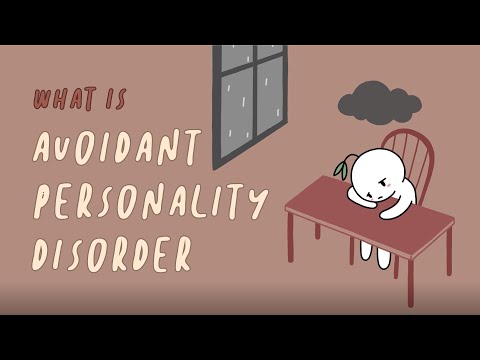
So, let’s talk about avoidant personality. You might have heard the term thrown around, but what does it really mean?
Imagine feeling super anxious in social situations. Like your heart’s racing, palms are sweaty. That’s just a glimpse of what someone with avoidant personality experiences.
It’s a lot more than just shyness, you know? This can affect friendships, work, and even day-to-day stuff.
But hey, you’re not alone if this resonates with you or someone you care about. Let’s unpack this together!
Effective Strategies for Treating Avoidant Personality Disorder: A Comprehensive Guide
Avoidant Personality Disorder (AVPD) can feel pretty overwhelming. It’s like wearing a heavy coat in the summer—uncomfortable, and it makes you want to hide away. People with this disorder usually struggle with extreme shyness, fear of criticism, and a deep desire for social connection that often clashes with their anxiety.
But what are some effective strategies for treating AVPD? Let’s break it down.
- Cognitive Behavioral Therapy (CBT): This is a major player in the treatment game. CBT helps you identify negative thought patterns that fuel your avoidance behaviors. Imagine standing in front of a mirror and realizing you’ve been seeing a distorted reflection of yourself. CBT helps clear that up! You learn to challenge those thoughts and replace them with healthier ones.
- Exposure Therapy: This one’s about getting out of your comfort zone—slowly, of course. Gradually facing social situations that make you anxious can really help over time. Think about it like learning to ride a bike; at first, you might wobble and feel scared, but little by little, you gain confidence.
- Group Therapy: Connecting with others who understand what you’re dealing with can be incredibly validating. In group therapy, you’re not alone in your struggles; sharing experiences helps build trust and reduces feelings of isolation.
- Mindfulness Techniques: Practicing mindfulness can ground you when anxiety starts to creep in. It teaches you to focus on the present rather than getting lost in worries about the future or regrets from the past. Just taking a moment to breathe deeply or notice your surroundings can create space between those anxious thoughts and your reactions.
- Medication: Sometimes doctors prescribe medication to help manage symptoms like anxiety or depression that often go hand-in-hand with AVPD. This isn’t the main strategy but can support other treatments nicely when used correctly.
It’s also essential to set realistic goals for yourself throughout this process. Progress might feel slow—as if you’re climbing a mountain one tiny step at a time—but every step counts! For instance, maybe today you just smile at someone; tomorrow, you start up a short conversation.
And remember—support is crucial! Having friends or family who understand your journey can make a massive difference. They might even join you on some of those hard steps outside your comfort zone.
In summary, tackling Avoidant Personality Disorder isn’t easy but definitely doable with the right strategies in play: from therapy approaches like CBT and exposure therapy to supportive friendships and maybe some medication if needed. It takes time, patience, and effort, but getting there is so worth it!
Understanding the Seriousness of Avoidant Personality Disorder: Key Insights and Impacts
So, let’s talk about Avoidant Personality Disorder (AVPD). It’s one of those mental health conditions that often flies under the radar but can be super tough for those dealing with it. If you think about it, it’s all about the fear of rejection and social interaction. Those living with AVPD typically feel intense anxiety in social situations and often go to great lengths to avoid them.
Now, you might wonder, what does this really look like in real life? Imagine a person who, say, avoids parties or gatherings because they’re worried people will judge them or that they’ll embarrass themselves. They might feel lonely and wish for connections but just can’t handle the thought of putting themselves out there. It’s pretty rough.
- Low self-esteem: People with AVPD often see themselves as unworthy or inferior compared to others. This can pile on feelings of inadequacy and despair.
- Fear of criticism: Even small comments might feel like huge blows. The constant worry about what others think can prevent someone from speaking up or expressing their feelings.
- Avoidance behaviors: Many will steer clear of work meetings, social events, or even casual hangouts simply because they fear being scrutinized.
- Relationship struggles: Building relationships can feel impossible. There’s a strong desire for closeness, yet fear holds them back from reaching out.
The impacts of AVPD aren’t just emotional; they touch every part of life. Imagine constantly feeling like an outsider in your own world—that’s what many face daily. And it doesn’t stop at anxiety; depression often tags along for the ride too.
I remember chatting with a friend who struggled with this disorder. She shared how even sending a text to someone felt like climbing a mountain. The weight of her thoughts crushed her enthusiasm until she’d end up not reaching out at all. But it was heartbreaking because she genuinely wanted connections!
Treatment is definitely possible though! Therapy, especially cognitive-behavioral therapy (CBT), can really help folks challenge those negative beliefs and slowly step outside their comfort zone. Medications may also offer some relief from the anxiety that comes along with it.
Avoidant Personality Disorder isn’t “just shyness” or “being introverted.” It’s a real struggle that affects many aspects of life—including careers and friendships—so understanding it is crucial! Having patience and empathy matters so much when supporting someone dealing with AVPD.
Identifying Avoidant Personality Disorder: Key Signs and Self-Assessment Guide
When it comes to Avoidant Personality Disorder (AVPD), it’s like being stuck in a bubble. You might really want to connect with others, but that fear of being judged or rejected can hold you back. So, how do you know if this is something you’re dealing with? Let’s break it down.
What Is Avoidant Personality Disorder?
AVPD is characterized by a pattern of social inhibition, feelings of inadequacy, and hypersensitivity to negative evaluation. Basically, you might feel overly shy or anxious in social situations, thinking everyone is watching and judging your every move.
Key Signs of AVPD:
Here are some common signs that could suggest AVPD:
So picture this: maybe you get invited out with friends. The whole day leading up to it is filled with anxiety. You wonder what they’ll think of your outfit, whether you’ll embarrass yourself talking—so much worry! Eventually, maybe you decide it’s easier just to stay home.
Self-Assessment Guide:
If you’re wondering whether you relate to some of these signs, consider doing a bit of self-reflection. Here are some questions to ponder:
Talking about feelings can be super tough, but if these questions resonate with you, it could be worth seeking help from a mental health professional.
The Impact on Life:
Living with AVPD isn’t just about feeling shy; it can really impact relationships and overall quality of life. A casual chat at work can feel like climbing a mountain! But the good news? With therapy—especially cognitive-behavioral therapy—you can learn coping strategies that help break down those walls.
So yeah, if any part of this clicks for you—or even if you’re just curious—it’s totally okay! Sometimes just recognizing what’s going on inside your head is the first step toward feeling better.
So, let’s chat about Avoidant Personality. You know, it’s one of those terms that gets thrown around in mental health discussions but can sometimes feel a bit dry or clinical. But it really hits home when you start thinking about what it actually means for people who experience it.
Basically, if someone has Avoidant Personality Disorder (AvPD), they often feel super anxious in social situations and might find themselves pulling away from people. What happens is, they might worry a lot about being judged or criticized. Imagine you’re at a party feeling like you’re standing on the edge of a cliff while everyone else is mingling like pros. That feeling—the urge to just slip into the shadows instead of jumping into conversations? Yeah, that’s part of it.
I remember a friend who struggled with this kind of stuff. They used to avoid gatherings, thinking everyone would notice their awkwardness or that they wouldn’t fit in. It was hard to watch because I knew how much they wanted connection but felt this heavy weight holding them back. You could see the hesitation in their eyes when we talked about hanging out with others. It wasn’t as easy as just saying “let’s go.” There was a ton of internal dialogue happening—self-doubt mixing with fears of rejection.
In therapy, people with AvPD often work on building confidence and tackling those pesky thoughts that say they aren’t good enough. It’s about slowly stepping outside that comfort zone without feeling like they have to jump right into the deep end. And trust me, progress can be anything but linear! Some days are better than others.
When we think about avoidant behavior beyond the clinical definition, it shows how deeply our experiences shape us. It’s not just “Oh, I don’t want to hang out.” Like there’s this whole emotional landscape underneath where loneliness can be pretty loud. If you’re someone who feels this way or knows someone who does, it’s totally okay to lean into those feelings while also seeking support—be it through friends or professionals.
It’s really all about recognizing that vulnerability doesn’t equal weakness; it’s part of being human after all! So remember: if you’re navigating these feelings yourself or trying to understand someone else—you’re not alone in this journey!