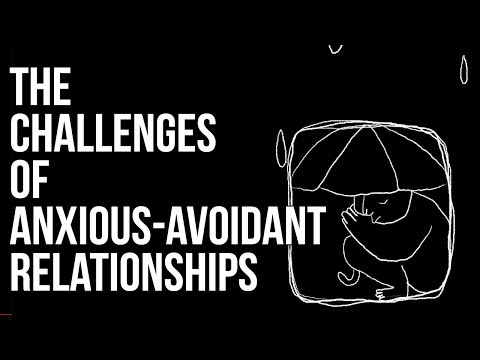
You know that feeling when you really like someone, but your gut tells you to hold back? Yeah, that’s what avoidant relationship styles are all about.
It’s like trying to connect with someone while keeping a wall up at the same time. Super confusing, right? You want intimacy, but the thought of it freaks you out.
Honestly, it’s more common than you think. Lots of us struggle with this stuff, even if we don’t always realize it.
So, let’s chat about it! What it looks like, why it happens, and how you can navigate those tricky waters without losing your mind—or your interest in love. Sound good?
Understanding and Overcoming Avoidant Attachment Style: A Guide to Healthier Relationships
Avoidant attachment style can feel like a heavy backpack, weighing you down in relationships. You know, it’s that feeling of wanting to connect but then pulling back when things get too close. Let’s unpack this a bit.
What Is Avoidant Attachment?
So, avoidant attachment is one of those fancy terms we use in psychology to describe people who tend to keep their distance emotionally. Imagine being at a party, and you see someone you really wanna talk to but instead, you hang back by the snack table. It’s comfortable there, right? But it also means missing out on real connections.
People with an avoidant attachment style often learned in early relationships that it’s safer to rely on themselves. Maybe their caregivers weren’t super available or were inconsistent with love and comfort. This creates a pattern where they might feel uncomfortable with closeness or vulnerability later in life.
Signs You’re Dealing With Avoidant Attachment
You might wonder if this sounds familiar. Here are some signs:
- You often feel overwhelmed when someone gets too close too fast.
- You find it tough to open up about your feelings.
- Relationships tend to fizzle out for you when they get serious.
- You value independence highly and may even fear losing it.
One friend of mine used to say she loved her space after a breakup, but deep down, I could see it was her way of guarding against hurt. She’d joke about being “emotionally unavailable,” but it was clear she wanted more; she just didn’t know how to let herself have it.
The Impact on Relationships
This attachment style can create challenges in your connections with others. You may give off mixed signals—wanting love but retreating once someone tries to get close. It’s like standing at the edge of a diving board: part of you wants to jump into the water, while another part is terrified and holding back.
Your partners may feel confused or rejected because they sense that emotional wall. Often, they try harder to reach you, which can lead them feeling frustrated and hurt when you pull away.
Steps Toward Healthier Relationships
Overcoming an avoidant attachment style isn’t impossible! It takes some work but can lead to truly fulfilling connections.
1. **Self-Reflection**: Start by taking some time for yourself—think about your past experiences and how they’ve shaped your views on intimacy.
2. **Identify Triggers**: Pay attention when you start feeling overwhelmed in relationships. What kinds of situations make you want to pull away? Recognizing these triggers is key.
3. **Practice Vulnerability**: This might sound scary, but gradually letting someone in can be freeing! Try sharing small thoughts or feelings first before diving into deeper stuff.
4. **Communicate Openly**: If you’re dating someone who cares about you (and hopefully they do!), let them know what you’re feeling when things get intense instead of shutting down.
5. **Seek Support**: Speaking with a therapist can be super helpful—they can provide strategies tailored just for you!
One gal I know started seeing a counselor after years of dodging commitment issues like they were a game of dodgeball in gym class! She learned ways to express herself better and even began opening up more in casual conversations with her friends.
Honestly? Taking these steps takes courage! But little by little, as you practice leaning into vulnerability, you’ll notice shifts happening—not just within yourself but also within your relationships.
Remember—it’s totally okay not wanting everything right now! Change takes time, so be gentle with yourself as you navigate this journey toward healthier connections!
Understanding Avoidant Attachment: Why Avoidants Struggle in Relationships
Avoidant attachment, huh? It’s a big topic and honestly, it can mess with relationships pretty hard. When you’re dealing with someone who has an avoidant attachment style, they often keep their distance emotionally. This can be super confusing and frustrating for their partners. So let’s break this down.
People with avoidant attachment usually have a history where emotional needs weren’t met securely while they were growing up. You know how some kids get hugs and support when they’re sad? Well, those with an avoidant style didn’t always get that. They learned to rely on themselves instead of others, which sounds strong but actually can foster loneliness.
- Emotional Distance: Avoidants often struggle to get close to others. They might feel overwhelmed by intimacy or think it’ll lead to hurt. Imagine you’re trying to connect deeply with someone who keeps pulling away. Frustrating, right?
- Dismissing Needs: These folks tend to ignore their own emotional needs—or even deny that they have them! When they feel something uncomfortable, like sadness or vulnerability, they might shut down rather than deal with it.
- Avoiding Conflict: Conflict can be like a horror movie for them. To keep the peace—or because they fear criticism—they might just ghost important discussions instead of confronting issues directly.
The irony is that many avoidants desire connection—but their coping mechanisms get in the way. It’s like wanting a cozy fireplace but being too scared of getting burned by the fire if it gets too close.
I remember talking to this friend who was dating someone pretty avoidant. They’d go on great dates and share laughs, but when my friend tried getting serious about feelings or plans for the future, the avoidant partner would pull back completely! It left my friend feeling rejected and confused—like why do you love being with me but not want to build anything real?
Now here’s where it gets tricky: many avoidants may not even realize they do this stuff! They might think they’re just keeping things casual or free-spirited when really they’re avoiding deeper emotions altogether.
If you find yourself in a relationship with someone who has this style, communication is key—seriously! Encouraging open conversations about feelings without pressure can help create an environment where your partner feels more secure over time. Just remember: patience is important because changing these patterns doesn’t happen overnight.
In short, understanding an avoidant attachment style is about recognizing their need for space while also working toward creating trust—and hey, sometimes that takes some time!
Understanding the Challenges of Avoidant Attachment Style: Insights and Strategies for Growth
So, let’s talk about avoidant attachment style. It’s one of those things that can really mess with relationships, you know? If you identify with this style, you might find it hard to get close to people. But understanding it’s the first step toward making some changes.
Avoidant attachment style often develops in childhood. Maybe your caregivers were emotionally unavailable or overly focused on independence. You might’ve learned that getting too close or showing emotions wasn’t safe or welcomed. As a result, you protect yourself by keeping others at arm’s length.
Imagine this: you’re at a party and see someone you’d like to talk to. Your heart races, but then doubts creep in—what if they don’t like me? Instead of going up to them, you just hang back and observe, feeling both drawn and repulsed at the same time. That’s the push-pull dynamic that often plays out.
So what are some key features of avoidant attachment?
- Difficulty with intimacy: You may struggle to open up or rely on others because it feels too vulnerable.
- High value on independence: You might pride yourself on being self-sufficient, sometimes to a fault.
- Avoiding emotional discussions: Talking about feelings can feel like walking into a minefield, so you steer clear.
This can create challenges in relationships. Partners may feel shut out or think you’re not interested when, really, it’s just your way of coping with fear of closeness.
But hey, there’s hope! If you’re looking for ways to grow from this pattern, here are some strategies:
- Acknowledge your feelings: It sounds simple but recognizing your emotions is huge. Journaling can be a helpful way to explore what you’re feeling without judgment.
- Practice vulnerability: Try sharing small thoughts and feelings with someone you trust. Baby steps matter!
- Cultivate connections: Reach out more often and try engaging in light-hearted interactions without the pressure of deep discussions.
You know what? Seeking therapy can also be a game-changer. A good therapist can guide you through understanding your patterns and help you work on forming deeper connections without feeling overwhelmed.
The thing is, moving past avoidant attachment takes time and effort—it’s not an overnight fix! But every tiny step counts towards building healthier relationships where you feel safe sharing who you really are. So go easy on yourself; progress is still progress!
Navigating avoidant relationship styles can feel like walking through a maze blindfolded. You might be dating someone who seems great on paper, but the closer you get, the more they pull away. It’s confusing, right?
I remember a friend of mine named Sarah. She had this amazing guy in her life. Charming, smart, everything seemed perfect until it wasn’t. When things got a bit serious, he’d ghost her or become distant out of nowhere. It left her feeling anxious and questioning everything about their relationship. Like, was it something she did? Should she try harder? But the thing is, his avoidant style made him uncomfortable with deep emotional connections.
So what’s up with avoidant people? Basically, they often struggle with intimacy. It’s not that they don’t care; it’s more that vulnerability feels like standing at the edge of a cliff—terrifying! They may have grown up in environments where dependence was viewed as weakness or love was conditional. This led to an instinct to keep distance and protect themselves from potential hurt.
If you’re dealing with someone like that, communication is key—even if they’re not great at it. Being open about your feelings while also being patient can help create a safe space for them. I know it’s not easy to wait around for someone to catch up emotionally when you’re ready to dive deep headfirst.
But here’s the kicker: understanding their perspective can really help you navigate these choppy waters better. It doesn’t mean you have to stay in a situation that makes you unhappy or anxious all the time; sometimes it’s just about recognizing what you’re dealing with and deciding how much emotional labor you’re willing to put in.
The journey is personal for both partners involved—finding your own balance between giving space and seeking closeness is vital. So keep an eye on your own needs too; because let’s face it—relationships should ideally add joy rather than stress to our lives!