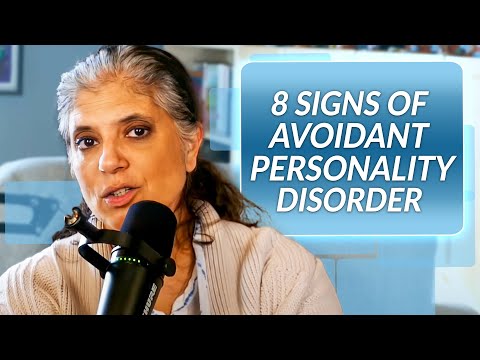
So, let’s talk about Avoidant Personality Disorder. It’s one of those things that’s not super common but can really mess with someone’s life. You know, it feels like being stuck in a shell, and breaking out seems impossible.
Imagine feeling super anxious just thinking about social situations. Yeah, that’s real for a lot of folks. It can be lonely, overwhelming, and honestly pretty exhausting.
But don’t worry! There are ways to take steps forward. Different therapies can help you break free from that fear and start connecting with others again.
In this chat, we’ll explore some effective approaches for treating Avoidant Personality Disorder. You’ll see how change is possible—you just gotta take it one small step at a time!
Discovering the Most Effective Treatments for Avoidant Personality Disorder: A Comprehensive Guide
Avoidant Personality Disorder (AVPD) can feel like being stuck in a bubble. You want to connect with people, but the fear of criticism or rejection makes you shrink back. It’s tough, and the good news is that there are ways to navigate through it. Here’s a look at some effective treatments that can truly help.
1. Therapy is often the first line of defense. This isn’t just any kind of therapy, though. Cognitive Behavioral Therapy (CBT) is particularly useful here. In CBT, you work on changing those negative thought patterns that keep you from stepping out of your comfort zone. You know, like when you think everyone will judge your every move? A therapist can help challenge those thoughts and reframe them into something more positive.
2. Group Therapy might sound intimidating, right? But it can be powerful for those dealing with AVPD. Being in a group lets you practice social skills in a supported environment where everyone understands what you’re going through. You might start by sharing just a little about yourself, and before you know it, you’re engaging more fully with others.
Another approach is Dialectical Behavior Therapy (DBT). This therapy combines cognitive-behavioral techniques with mindfulness practices. It helps you learn to manage your emotions better—so when anxiety hits during social situations, you’ve got tools to cope with it instead of avoiding it.
3. Medication can also be a part of the picture for some folks with AVPD. Antidepressants or anti-anxiety medications might be prescribed if your symptoms are really intense or affecting your daily life significantly. But remember: these meds aren’t a cure-all; they usually work best alongside therapy.
Now let’s talk about self-help strategies. These aren’t substitutes for professional help but rather complements to your treatment plan:
- Journaling: Writing down your thoughts and feelings can clarify them and reduce anxiety.
- Mindfulness practice: Just five minutes a day focusing on breathing can ground you in overwhelming moments.
- Social Skills Training: Practicing small interactions—like greeting someone or making small talk—can build confidence.
You know what else can help? Having a strong support system! Like friends who get where you’re coming from or family members who understand what you’re dealing with every day.
Let’s not forget that patience and self-compassion go hand in hand here. Progress takes time; there will be ups and downs along the way—and that’s totally normal! Celebrate the small victories too because every step counts.
Dealing with Avoidant Personality Disorder can feel isolating at times—but it’s crucial to realize that treatment options exist that empower you to break free from those constraints feeling confident among others again!
Effective Strategies for Coping with Avoidant Personality Disorder: A Comprehensive Guide
Avoidant Personality Disorder (AVPD) can be really tough to deal with. If you or someone you know is navigating through this condition, it helps to have some coping strategies ready. Let’s break it down.
Understanding Your Feelings
With AVPD, feelings of anxiety or inadequacy can come on strong in social situations. You might feel like everyone’s judging you or that you just don’t belong. It’s important to recognize these emotions without letting them take control. Remember, it’s okay to feel this way; it doesn’t define who you are.
Building Self-Awareness
Start keeping a journal about your feelings and thoughts. Writing down what triggers your anxiety can really help in understanding patterns in your behavior. Plus, reflecting on positive experiences—even small ones—can boost your self-esteem over time.
Gradual Exposure
This is all about baby steps! Try gradually putting yourself in social situations, even if they’re uncomfortable at first. Maybe start by saying hi to a neighbor or joining a small group where you share a common interest. The thing is, the more you practice being around others, the easier it’ll become.
Developing Communication Skills
Sometimes we struggle with expressing ourselves because we’re afraid of how others will react. Practicing communication skills in safe environments—like with close friends or family—can build your confidence. Role-playing scenarios might sound silly but seriously, it can make a big difference!
Cognitive Behavioral Therapy (CBT)
CBT focuses on changing negative thought patterns that fuel anxiety and avoidance behaviors. It’s often effective for AVPD since it helps identify and reframe those pesky thoughts that say “I’m not good enough.” Working with a therapist can really guide you through this process.
Mindfulness and Relaxation Techniques
Mindfulness practices like meditation or yoga can be super helpful for grounding yourself when anxiety hits hard. These techniques allow you to focus on the present moment instead of worrying about what others think. Trust me; just five minutes of focused breathing can take the edge off those overwhelming feelings.
Finding Support
Connecting with others who understand what you’re going through is so powerful! Support groups provide safe spaces to share experiences and strategies with people facing similar challenges.
In summary, coping with Avoidant Personality Disorder requires patience and kindness towards yourself. By using these strategies—like building self-awareness, practicing gradual exposure, enhancing communication skills, trying CBT, incorporating mindfulness techniques, and seeking support—you’ll not only manage your symptoms better but also grow stronger in facing social situations over time. Just remember: You’re not alone in this journey!
Understanding Avoidant Personality Disorder: Effective Approaches for Management and Healing
Avoidant Personality Disorder (AVPD) can feel like a heavy weight on your chest. Imagine being afraid of social situations, feeling like everyone is judging you, and just wanting to hide away. If that sounds familiar, you’re not alone. AVPD affects many people and can seriously impact daily life. But let’s break it down and look at some ways to manage and heal from it.
Understanding AVPD means recognizing the symptoms. You might feel anxious in social gatherings, worry excessively about what others think, or avoid interactions altogether. This isn’t just shyness; it’s a deeper fear of rejection or humiliation. It can be paralyzing.
So, what can help? Here’s where effective approaches come into play:
- Therapy: Working with a therapist who understands AVPD is crucial. Cognitive Behavioral Therapy (CBT) is often recommended because it helps change negative thought patterns. You might learn to challenge those spiraling thoughts that say you’ll embarrass yourself.
- Exposure Therapy: This involves gradually facing your fears in a safe environment. Like going from texting a friend to actually hanging out with them in person. It’s about small steps that build confidence over time.
- Group Therapy: Connecting with others who understand what you’re going through can be super helpful. Group therapy creates a space where sharing experiences feels less intimidating, and you see you’re not the only one battling these feelings.
- Mindfulness and Relaxation Techniques: These practices are really useful for managing anxiety in the moment—it could be simple breathing exercises or mindfulness meditation that ground you when things get overwhelming.
- Medication: While there isn’t a specific medication just for AVPD, some people find relief from anxiety through certain prescriptions—a psychiatrist might recommend something if anxiety is affecting your daily life significantly.
You know what helps too? Just meeting small goals each day! Maybe it’s saying «hi» to someone new or even just going out for coffee alone—it’s about celebrating those little victories.
Let’s talk about the emotional side of this too because it’s real—seriously real! Picture someone avoiding their best friend’s birthday party because they’re scared everyone will notice them sweating or tripping over words. That anxiety can lead to isolation—feeling cut off from friends and family makes things even more complicated.
So here’s the thing: healing from AVPD takes time; patience is key! And working with professionals who «get» where you’re coming from makes all the difference. You deserve to feel connected without that heavy weight holding you back.
In summary, understanding AVPD means embracing your emotions while also seeking proactive ways to manage them—like finding the right therapy approach or practicing mindfulness techniques daily. And remember, you’re not on this journey alone; it’s okay to reach out for help when you need it!
Avoidant Personality Disorder, or AvPD for short, is a tough nut to crack. It’s like standing on the sidelines of life, wanting to join in but feeling too anxious or inadequate to step forward. Picture someone who really wants to talk at a party but just can’t shake off that feeling of self-doubt. That was my friend Laura. She’d stay glued to her phone, scrolling through social media while everyone else was mingling. You could see the desire in her eyes, yet she felt stuck.
For folks with AvPD, it’s not just shyness; it’s an overwhelming fear of rejection and negative evaluation that holds them back from connecting with others. The cool thing (or maybe I should say “not-so-cool” thing) is that there are effective ways to tackle this issue.
Cognitive-behavioral therapy (CBT) often comes up as a go-to option here. It focuses on changing negative thought patterns—like when your mind tells you “Everyone hates me.” Therapists help you recognize these thoughts and challenge them, which can be like hitting a reset button on your brain. One day at a time, Laura started questioning her fears, realizing they weren’t always true. A game changer for her!
Another approach? Exposure therapy can be pretty helpful too! This isn’t about throwing someone into the deep end; it’s more like wading into the shallow end gradually. Starting with small social interactions and building up from there helps folks learn they can handle situations that once felt overwhelming.
Don’t forget about group therapy either! It might seem counterintuitive since social settings can be so intimidating, but being around others with similar struggles creates a safe space for sharing experiences and support. Laura tried this after some nudging from her therapist and found out she wasn’t alone; others had similar fears and could relate—what a relief!
And let’s not overlook the role of medications here—sometimes they complement other treatments nicely by reducing anxiety levels enough for someone to engage more fully in therapy.
So yeah, while dealing with Avoidant Personality Disorder is no walk in the park, knowing there are various approaches can shine some light on that long, dark tunnel. Just remember—it takes time and patience! Each step taken is progress worth celebrating!