Nightmares can be a real trip, can’t they? One minute, you’re chilling in your dreams, and the next, you’re running from monsters. It’s wild how our minds work when we sleep.
And then there’s sleep paralysis. Ever woken up but felt like you couldn’t move? It’s freaky! You just lie there, wide-eyed, feeling trapped in your own body.
I remember the first time it happened to me. I was terrified, staring at the ceiling while my heart raced. It felt like a scene from a horror movie.
But here’s the thing—it’s more common than you think! So let’s chat about what goes on in our noggins during these spooky moments and how to deal with them. Sound good?
Exploring Sleep Paralysis: Can It Really Be Dangerous to Your Health?
Sleep paralysis? Oh man, that’s a topic that can really freak people out. You know the drill: you’re awake but can’t move, and it feels like there’s this weight on your chest. Super eerie, right? But let’s break it down a bit and see if it really puts your health in jeopardy.
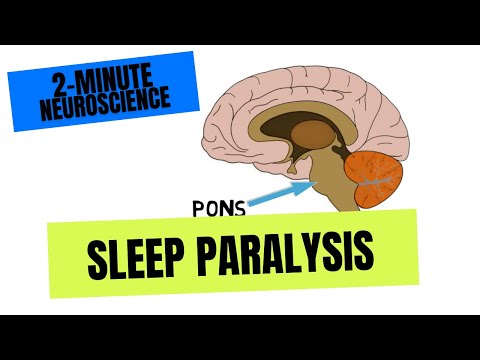
First off, sleep paralysis happens during the transition between sleep and wakefulness. It typically occurs when you’re either falling asleep or waking up. During these times, your brain wakes up while your body’s still in that deep sleep mode. So, you can’t move or talk. This phenomenon can last anywhere from a few seconds to a couple of minutes.
Many people describe feeling pressure on their chest or even seeing shadows in the room. Seriously, imagine lying there, completely awake in your mind but unable to shout for help or even shift your body—terrifying! One night I was jolted awake by this sensation, and I was convinced someone was looming over me. Turns out it was just my imagination running wild.
Now, onto the danger aspect. Generally speaking, sleep paralysis itself isn’t considered dangerous. It might feel like you’re trapped in a horror movie for a minute or two, but physically? You’re usually just fine. Most experts agree that there are no long-term health risks linked directly to sleep paralysis episodes.
Of course, there are some factors that might complicate things:
- If you experience sleep paralysis frequently, it could be tied to other sleep disorders like narcolepsy.
- High levels of stress or anxiety can make episodes more common.
- Lack of good-quality sleep may also play a role.
In some rare cases, those who have chronic nightmares alongside sleep paralysis might develop anxiety about sleeping altogether. Over time, this could lead to insomnia or other issues with mental health—definitely not something to brush off.
So what should you do if you’re facing these spooky episodes more often than you’d like? Well, first thing is to try and improve your overall sleep hygiene. This means getting enough rest (aim for 7-9 hours), sticking to a regular sleep schedule, and creating a calm bedtime ritual.
Remember how I mentioned stress earlier? Finding ways to manage stress through relaxation techniques could also help reduce those nightmarish experiences too—like mindfulness meditation or gentle yoga before bed.
If it keeps happening and starts affecting your daily life? That’s when reaching out to a therapist or a specialist might be worth considering. They can help explore any underlying issues causing the disturbances in your sleep cycle.
Bottom line: Sleep paralysis is creepy but rarely poses any serious health threats on its own. Just take care of yourself and keep an eye on how often these occurrences happen—a little extra TLC for your mind goes a long way!
Understanding Sleep Paralysis: What the ‘Demon’ Experience Reveals About Your Mental Health
Sleep paralysis can be a pretty freaky experience, right? Basically, it happens when you’re waking up or falling asleep but your body is still in that sleep mode. You know, the phase where your brain is active but your muscles are temporarily paralyzed. It feels like you can’t move or speak, and it might come with some wild visuals or sounds. Sometimes people see or sense a presence in the room, which gives rise to those scary “demon” stories.
So, why does this happen? One major factor is **stress**. When you’ve got a lot on your plate—whether it’s work deadlines or personal issues—your mind might struggle to relax fully at night. This can lead to disrupted sleep patterns. Also, **sleep deprivation** plays a big role; if you aren’t getting enough shut-eye regularly, your brain might not transition smoothly between sleep stages.
You follow me? There’s a whole bunch of **mental health conditions** linked to sleep paralysis too:
- Anxiety: If you’re dealing with anxiety disorders, the heightened tension can contribute to episodes.
- Depression: Folks with depression often have irregular sleeping patterns which can trigger these instances.
- PTSD: Nightmares are common in PTSD sufferers, and they may find themselves paralyzed during those wake-up moments.
Now let’s get real for a sec. I once spoke to someone who described waking up feeling completely frozen while seeing shadows in the corner of their room. That scared the bejeezus out of them! They thought something was watching them—a demon? Who even knows! But it turned out they were going through tons of stress at work and hadn’t been sleeping well. It’s honestly amazing how our mental state can manifest physically like that.
Another thing that’s worth mentioning is how **sleep position** might play into this too. Sleeping on your back seems to be a common trigger for many people experiencing sleep paralysis. If you’ve ever found yourself stuck like that while half-awake, it’s quite unnerving.
And it doesn’t really help that our culture loves those ghost stories and myths around these experiences—they make everything feel ten times scarier than it actually is! But look, understanding what’s causing these episodes can help you take control over them.
At the end of the day, if you’re facing frequent episodes of sleep paralysis—and especially if they’re affecting your daily life—it could be time to chat with someone about it. Think along the lines of (you guessed it) mental health professionals who can give you tips on managing stress and improving sleep hygiene.
So remember: Sleep paralysis isn’t just about weird dreams or spooky feelings; it’s also about what’s going on inside your head when life gets heavy. Taking care of your mental health is key here!
Effective Techniques to Overcome Sleep Paralysis Instantly
Sleep paralysis—what a creepy experience, huh? You’re kind of awake but can’t move. It feels like a heavy weight on your chest. You might see shadows or hear things that aren’t there. And it can feel so real, which makes it even more terrifying.
First off, know that sleep paralysis is common. Lots of people have had it at least once. You might be jolted awake and feel trapped in your own body for a couple of seconds or even minutes. It usually happens when you’re waking up or falling asleep, which is super uncool and totally gives you the creeps.
Now, if you want to tackle this head-on when it happens—or even help prevent it—there are some techniques you might find effective:
- Stay Calm: I know, easier said than done, right? But really, try to breathe slowly and evenly when you realize what’s happening. Panic can make everything worse.
- Focus on Moving a Small Part: If you can, concentrate on moving just your fingers or toes. Sometimes shifting even a tiny bit can break the paralysis.
- Shift Your Breathing: Changing how you breathe can help. Try taking deep breaths instead of short, shallow ones. This can help settle your racing heart.
- Visualize Movement: Picture yourself getting out of bed or rolling over. Visualization can sometimes trick your brain into freeing up your body.
- Acknowledge It: Sometimes saying to yourself “This is sleep paralysis” helps ground you in reality. Remind yourself that it’s harmless and will pass soon.
You know what might also help? **Good sleep hygiene**—like keeping a regular sleep schedule and creating a peaceful bedtime environment. Dimming the lights and powering down screens an hour before bed can set the stage for better sleep.
Speaking of experiences—once I chatted with someone who had awful episodes of sleep paralysis during stressful times in their life. They realized that their nightmares were connected to anxiety during taxing periods at work or personal life drama.
Also worth mentioning: certain lifestyle factors like irregular sleep patterns and stress levels could trigger these episodes more frequently than you’d like! That’s why getting enough good-quality rest is crucial.
You might also consider talking with a mental health professional if this keeps happening because sometimes underlying issues like anxiety or depression could contribute to those unsettling nights along with focusing on practical techniques.
So yeah, sleep paralysis isn’t fun at all but knowing you’ve got some tricks up your sleeve might help ease the stress of those night-time monsters lurking around!
Nightmares can feel like those unwelcome guests you try to avoid but somehow always end up at your door. They strike when you least expect it, usually pulling you into dark places that make your heart race and leave you gasping for breath when you wake up. I remember one night, I was running away from something in my dream, my legs felt like they were stuck in quicksand. It was exhausting, and it left me tangled in sheets, struggling to shake off that feeling of dread.
But then there’s sleep paralysis—the eerie cousin of nightmares. Imagine waking up but being totally trapped in your body. You’re conscious, but it’s like your brain’s playing a cruel joke. You’re unable to move or speak, sometimes even seeing these shadowy figures looming over you. For real, it’s terrifying! I’ve talked to friends who’ve been through it; they describe it as if someone’s sitting on their chest while an invisible fist grips their throat.
So what causes this spooky phenomenon? Well, during sleep, especially in the REM stage—which is when we dream—our brains fire up while our bodies go into a sort of paralysis to keep us from acting out those dreams. Sometimes this glitch happens when you’re waking up or falling asleep—it’s like your brain wakes up before your body gets the memo.
Stress and anxiety can play a massive role too. If life feels chaotic or overwhelming, that adds fuel to the fire of nightmares and sleep paralysis episodes. I’ve had weeks where every little worry seemed magnified at night; those feelings seeped right into my dreams.
Navigating through nightmares and sleep paralysis isn’t something anyone should do alone. Talking about experiences can be pretty liberating—it brings a kind of solidarity when sharing those spine-chilling tales with friends or support groups. Plus, some folks find comfort in grounding techniques or mindfulness exercises before bed.
But really? Being kind to yourself is key here. It’s tough dealing with fear lurking just behind closed eyes; acknowledge how real those feelings are while also reminding yourself that they don’t define who you are. So next time your mind decides to take you on a wild ride through the realms of unsettling dreams or leaves you hanging in that paralyzed state—just remember it’s temporary and you’re not alone in this journey through the night!