You know that feeling when you hang out with someone and, instead of leaving energized, you just feel drained? Yeah, I’ve been there too.
Friendships are supposed to be a source of support and joy. But sometimes, they can turn toxic without you even realizing it. Like, one minute you’re laughing over coffee, and the next you’re questioning your self-worth.
It’s wild how people can affect our mental health without us even noticing. You might brush it off as just a rough patch or think it’s normal. Spoiler alert: it’s not!
Let’s chat about some red flags that scream “toxic friendship.” You’ll want to keep an eye out for these vibes—trust me!
The Impact of Toxic Friendships on Your Mental Health: Recognizing the Signs and Solutions
Toxic friendships can really mess with your mental health. It’s like walking around with a dark cloud over your head. These kinds of relationships often drain your energy and leave you feeling worse about yourself. Recognizing the signs can be the first step toward taking control.
So, what does a toxic friendship look like? There are some classic warning signs that you can keep an eye out for:
- Constant negativity: If your friend is always complaining or bringing you down, that can be a major red flag. You find yourself feeling worse after talking to them.
- Lack of support: Friends are supposed to lift you up. If they never seem to care about your problems or successes, it’s time to reconsider the bond.
- Jealousy and competition: You know that friend who just can’t be happy for you? That jealousy can really eat away at your self-esteem.
- Emotional manipulation: Ever feel like you’re being guilt-tripped or controlled? That’s not friendship; that’s manipulation at its finest.
- One-sided effort: If you’re always the one reaching out and putting in the work, it ain’t balanced! Healthy friendships should feel reciprocal.
I remember this one time when I had a friend who always made me feel guilty when I wanted to hang out with other people. It was like I had to fit their needs all the time, and when I didn’t, the mood would shift instantly. Over time, I realized how much it affected my happiness.
But recognizing these signs is just half the battle. You also need to know how to deal with it. Here are some solutions worth thinking about:
- Set boundaries: Don’t be afraid to tell them what behaviors aren’t acceptable. It might feel uncomfortable at first, but boundaries are essential.
- Communicate openly: Sometimes a chat can make a difference. Share how you feel and see if they understand where you’re coming from.
- Evaluate their role in your life: Consider what this friendship is adding (or taking away). If it’s mostly negative, maybe it’s time to step back.
- Cultivate supportive relationships: Surround yourself with people who uplift you and make you feel good about yourself.
If things don’t improve after trying these solutions, it may be necessary to distance yourself from that friend entirely. Ending friendships isn’t easy; it’s tough sometimes! But your mental well-being comes first.
Sometimes we hold on because we’re afraid of being alone or losing history—even if it’s unhealthy history! Remember: healthy friendships bring joy into our lives—not stress or anxiety.
In essence, being aware of toxic friendships allows you to protect yourself better. Know what feels good for you and don’t hesitate to take steps towards healthier connections! It’s all part of caring for your mental health—something that matters more than we often realize.
Understanding the Impact of Toxic Relationships on Mental Health: Signs and Strategies for Recovery
Toxic relationships can really mess with your head. Seriously, they can turn your mental health upside down. When someone in your life constantly drags you down, it’s tough to see how bad it really is. You might think you’re just dealing with a phase or that it’ll get better, but sometimes, it doesn’t.
So, what are the signs of a toxic friendship? Well, here are a few to keep an eye on:
- Constant negativity: If you always feel drained or anxious after hanging out with someone, that’s a huge red flag. It’s like they suck the joy out of every moment.
- Lack of support: Friends should lift you up! If they consistently criticize your goals or dreams instead of cheering you on, something’s off.
- Manipulation: You might notice they twist your words or make you feel guilty for wanting time alone. This control can be subtle but damaging.
- Jealousy: It’s one thing to feel jealous once in a while; it’s another when that jealousy turns into resentment and sabotage in the friendship.
- Dishonesty: If trust has vanished and lying becomes common—whether it’s about small things or big ones—that erodes the bond.
I remember a friend who was stuck in a group where one person always belittled her achievements. Like every time she shared something good happening at work, this “friend” would say something nasty like, “Anyone could’ve done that.” Over time, my friend became more anxious and less confident in her abilities. It was heartbreaking to watch.
Now let’s chat about how these toxic friendships can impact mental health. Here are some effects:
- Anxiety and stress: Constantly walking on eggshells around someone can spike your levels of anxiety.
- Low self-esteem: Being around negativity can lead you to doubt yourself and question your worth.
- Depression: Feeling unsupported can drag you down into feelings of loneliness and despair. You might even isolate yourself further.
Okay, so if you recognize these things happening in your friendships, what do you do? Recovery isn’t instant; it’s a process that takes time.
First off, **set boundaries**. You need to protect yourself! It could be as simple as limiting how often you engage with toxic friends or being clear about what behavior you’re not okay with. Remember: it’s okay to put yourself first.
Next up is **seek support** from healthier relationships or professionals if needed. Sometimes talking things out with someone who gets it makes all the difference.
Also consider **journaling** or reflecting on your feelings related to these friendships. Writing stuff down helps clarify what’s going on in our heads and can reveal patterns we’d otherwise miss.
And don’t forget about **self-care**! Dive into activities that uplift you—whether that’s exercising, painting, or chilling out with good music. Taking care of yourself is key when working through toxic vibes from others.
In short, detoxing from toxic relationships may feel daunting at first—but reclaiming your peace is totally worth it! Your mental health matters way more than holding onto unhealthy friendships just for the sake of not being alone. Keep pushing forward because there are awesome people out there who will appreciate the real you!
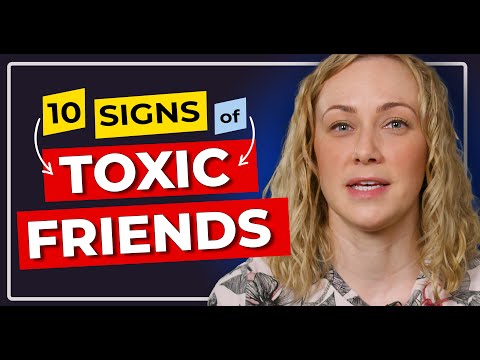
10 Warning Signs of Toxic Friendships: Take the Quiz to Protect Your Mental Health
So, let’s talk about toxic friendships. They can seriously mess with your mental health, and sometimes it’s hard to see the signs until you’re deep in it. You might think that just hanging out with someone is no biggie, but if they’re bringing you down more than lifting you up, it might be time to reconsider. Here are some common warning signs to watch out for.
Lack of Support
You know how friends are supposed to have your back? Well, if you feel like your friend is always putting you down or ignoring your achievements, that’s not cool. It can leave you feeling unvalued and anxious. Like when you finally share good news, and they just say something snarky instead of congratulating you. That stings!
Constant Drama
If every time you talk, it’s a saga of drama and chaos, that can drain your energy fast. You might feel like you’re walking on eggshells or that every conversation has to be an emotional rollercoaster. Remember when a friend called you for the umpteenth time with another crisis? Exhausting right?
One-Sided Effort
Friendships should be balanced; if the effort is all on one side—like you’re always making plans but they never reciprocate—it’s a red flag. It feels pretty awful when you’re the only one trying to keep things alive.
Excessive Criticism
A little constructive criticism is okay but constant negativity can wear anyone down. If every chat feels like a roast session where all your flaws are highlighted, that’s super toxic! Like when they make jokes at your expense—people can joke about being honest but this kind of honesty isn’t helpful.
Feeling Drained
Do you find yourself feeling exhausted after hanging out? It shouldn’t feel like work to maintain a friendship! If interactions leave you drained rather than energized or happy, it’s definitely a sign something’s off.
Lack of Respect for Boundaries
Healthy friendships respect personal boundaries. If your friend continually pushes limits or makes fun of things you’ve set as ‘no-go’ zones for conversation or behavior, that’s not okay. It’s like saying your feelings don’t matter.
Toxic Positivity
This one seems weird because who doesn’t love positivity? But overly positive friends who dismiss real feelings can be harmful too. If they constantly say “just think happy thoughts” while you’re struggling—it minimizes what you’re going through.
(Unwanted) Advice Giving
Sometimes friends give advice without actually listening to what you’re saying first—and if it’s unwanted? That can feel incredibly frustrating! Like when someone thinks they’re being helpful but instead it feels more patronizing than anything else.
Sarcasm Over Engagement
If sarcasm replaces genuine conversation, there’s probably an issue under the surface. Making jokes about real problems instead of addressing them doesn’t build trust; it kinda tears it down over time!
No Growth Together
Lastly, if you’ve noticed that neither of you is growing or evolving in the friendship—that could signal toxicity too! Friendships should help us become better versions of ourselves; otherwise what’s the point?
So yeah, recognizing these warning signs is super important for protecting your mental health! Friendship shouldn’t feel like a constant battle; it should uplift and support both parties involved. Don’t hesitate to evaluate those relationships in your life—you deserve friendships that bring joy instead of stress!
You know, when we think about friendships, we usually picture laughter, support, and shared memories. But sometimes, those bonds can turn a bit sour, and that’s where things get tricky. Toxic friendships can sneak up on you like that annoying fly buzzing around your head when you’re just trying to enjoy a picnic. You know it’s there, but it’s hard to shake off.
Maybe you’ve had this experience: hanging out with someone who constantly puts you down or makes you feel like you’re not good enough. At first, it might seem like harmless teasing or joking around. But over time? That kind of behavior really chips away at your self-esteem. It’s like constantly being in a mini-battle where you’re always losing and your mental health takes a hit.
Then there’s the whole thing about one-sided friendships. You know the type—the friend who always needs support but never shows up when you need them? It can feel pretty isolating to put in all that effort without ever getting anything back. You start to wonder if the friendship is worth it or if it’s just an emotional drain. Seriously, why should you be the only one rowing the boat?
Another sign of toxicity is feeling anxious or uncomfortable around someone instead of excited and uplifted. Like, if every time your phone buzzes with their name, your stomach drops a little—that’s kind of a red flag. It should feel good to connect with friends! If all they bring into your life is stress or dread, then that is not okay.
And let’s not forget about jealousy and competition among friends. Ever felt that twinge when you share good news only to have them turn it into something negative? Maybe they twist it into a comparison or downplay your success—ugh! It’s draining as heck to have friends who make everything about them instead of celebrating each other.
So what do we do about these toxic vibes? It’s not easy facing the reality of cutting ties with someone we’ve invested so much time in—or even worrying that people might think we’re being dramatic or overreacting. Always remember: prioritizing your mental health is key! Sometimes letting go is actually the healthiest option for both parties involved.
Just keep an eye out for those signs; it’s all about surrounding yourself with people who lift you up instead of pushing you down. When friendships energize rather than drain us? That’s how we create happier lives together!