You know, Zoloft—it seems like everyone’s talking about it these days. It’s a popular go-to for folks dealing with depression and anxiety. But here’s the thing: it’s not all sunshine and rainbows.
Some people swear by it, while others? Well, they have quite a different story. For some, it can feel like a rollercoaster ride—lots of ups, sure, but also some scary drops.
You might be wondering about the not-so-great side effects. Like, do those even matter? Spoiler alert: they do!
Let’s chat about the negative effects of Zoloft on mental health and wellbeing. Because everyone deserves to know both sides of the coin, don’t you think?
Zoloft: Benefits and Risks Explained – Is It the Right Choice for Your Mental Health?
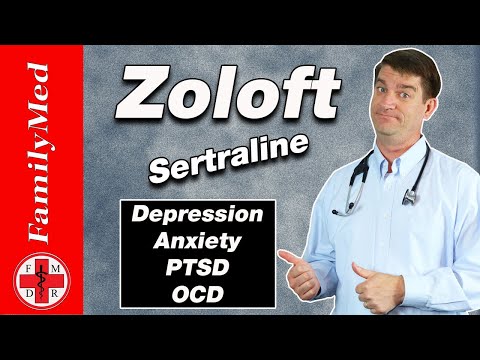
Zoloft, also known as sertraline, is one of those medications that come up a lot in conversations about mental health. It’s an antidepressant that’s often prescribed for conditions like depression, anxiety, and even PTSD. But you might be wondering, what are the real benefits and risks? And hey, is it the right move for you?
Benefits
First off, Zoloft can really help some people. Many find that their mood improves after starting it. Here’s a few key benefits:
- Better Mood: It can lift your spirits and help with feelings of sadness.
- Reduced Anxiety: A lot of folks notice they feel calmer and less overwhelmed.
- Improved Focus: Some users say they can concentrate better when on Zoloft.
But it’s not all sunshine and rainbows.
Risks
With any medication, there are potential downsides. Some people may experience side effects that can mess with their mental health rather than help it. Let’s break that down:
- Anxiety Increase: Weirdly enough, some folks report feeling more anxious at first. It can feel like the opposite of what you’re hoping for!
- Sleepless Nights: Insomnia is a common complaint. If you’re already feeling off, this just adds to the chaos.
- Mood Swings: For some people, taking Zoloft might lead to more intense mood swings or emotional flatness.
- Withdrawal Symptoms: Stopping Zoloft suddenly? That could lead to headaches or irritability—definitely no fun!
So yeah—that balance between benefits and risks is super important.
The Decision-Making Process
Deciding whether Zoloft (or any med) is right for you isn’t a simple yes or no answer. You have to really look at your personal situation.
Think about how severe your symptoms are and how they affect your daily life. You know when things get tough; sometimes just getting out of bed feels like climbing Everest! If that’s the case, talking to a healthcare professional about medication can be wise.
Also, consider other options like therapy or lifestyle changes which could complement medication if you go that route.
It’s crucial to have open conversations with your doctor about everything—your history with meds, any previous experiences with side effects, and how you’ve been feeling lately overall.
Anecdotal Example
I remember chatting with a friend who had been on Zoloft for months. Initially, things got better; she felt happier and more engaged in life! But then she started experiencing some pretty gnarly anxiety spikes right before her sleep issues kicked in. So frustrating! Eventually, she worked closely with her doc and adjusted her treatment plan.
At the end of the day, it’s all about finding what works best for you because every person reacts differently to medication like Zoloft. Don’t hesitate to ask questions and actively participate in your treatment journey!
Exploring the Connection: Does Zoloft Increase Anxiety Symptoms?
Zoloft, or sertraline as it’s known in the medical world, is a commonly prescribed antidepressant that belongs to a group of medications called selective serotonin reuptake inhibitors (SSRIs). It’s mainly used to treat conditions like depression, anxiety disorders, and PTSD. But sometimes, people find that their anxiety seems to get worse after starting Zoloft. So what’s going on there?
When you first start taking Zoloft, your body goes through an adjustment period. This can feel pretty weird. Some people report feeling more anxious than usual during this time. It’s important to understand that this initial spike in anxiety doesn’t mean the medication is failing; it’s really just your system getting used to the new chemical balance.
Here are some common reasons why Zoloft might increase anxiety symptoms:
Think about it this way: Imagine starting a new workout routine. At first, your muscles might scream at you because they’re not used to the strain. But with time and consistency, things tend to improve. It’s kind of similar with medications like Zoloft; patience is key.
There’s also something called “serotonin syndrome,” though it’s rare and typically occurs when the dosage is too high or when combined with other medications that affect serotonin levels. Symptoms can include increased heart rate and heightened anxiety—definitely something worth discussing with your doctor if you notice these effects.
Now, if after a few weeks you’re still feeling more anxious than before you started taking Zoloft, it’s best to have a chat with your healthcare provider. They may decide to tweak your dosage or explore other treatment options altogether.
Remember that mental health treatments are highly individualistic. What works wonders for one person might not be so great for another. Be open about what you’re experiencing—it makes a difference!
Understanding the Link Between Zoloft and Brain Fog: What You Need to Know
There’s been a lot of chatter about Zoloft and its kind of weird side effect called brain fog. If you’re taking Zoloft or thinking about it, understanding this connection could really help.
First off, Zoloft is an antidepressant that belongs to a class of meds called SSRIs (Selective Serotonin Reuptake Inhibitors). It helps balance serotonin levels in your brain, which can improve mood and reduce anxiety. But, like any medication, it has its quirks—brain fog being one of them.
So, what exactly is brain fog? Well, it’s basically when you feel fuzzy in your thoughts. It can make you struggle with focus or remembering things. You’re not alone if you’ve felt this way after starting Zoloft. Many people report having trouble concentrating or feeling «out of it.»
Now let’s break down why this happens:
- Serotonin changes: Since Zoloft boosts serotonin, and serotonin plays a role in many brain functions, some people might experience temporary confusion or sluggishness as their body adjusts.
- Dosage level: Sometimes starting on a high dose can trigger more intense side effects. If the dose isn’t quite right for you, brain fog could pop up.
- Individual responses: Everyone’s body reacts differently to medications. What works wonders for one person might leave another feeling dazed.
- Cumulative effect: If you’re on other meds too, their interactions might contribute to that hazy feeling.
You know how sometimes you feel overwhelmed after a long day? Like your thoughts are swirling around and nothing makes sense? That can happen with Zoloft too when your mind isn’t clear.
Consider Mary’s experience—she was dealing with anxiety and depression and started taking Zoloft. At first blush, she felt lighter! But soon enough, she noticed that her usual sharp mind felt like it was wrapped in cotton wool. Mary described her work tasks as “climbing through mud.” That disconnection from being able to think clearly really bugged her.
It’s essential to keep communication open with your doctor if you’re experiencing these feelings. There are different solutions: adjusting the dose or switching medications could potentially ease that foggy feeling while still helping manage depression and anxiety.
Really though—even if brain fog feels uncomfortable now, it’s often temporary as your body gets used to the medication. Just remember to give yourself a little grace during this adjustment period!
In sum, if you’re taking Zoloft and battling some mental cloudiness along the way, reach out for support! You deserve clarity while managing your mental health.
You know, Zoloft is one of those medications people hear about a lot. It’s often prescribed for depression and anxiety, and for many, it can feel like a lifesaver. But it’s not all sunshine and rainbows. Some folks experience negative effects that can throw a wrench in their mental health journey.
I remember a friend who started on Zoloft after struggling with intense anxiety. She was excited because she’d heard how it could help her feel more relaxed and less overwhelmed. At first, things seemed to improve, but soon she began to notice some pretty unsettling side effects. It was like one minute she was feeling hopeful, and the next she felt this strange numbness—like her emotions were muted. She told me it was frustrating because she didn’t want to feel sad anymore, but feeling nothing at all wasn’t what she had in mind either.
So here’s the thing: while Zoloft can help many manage their symptoms, some people can face issues like emotional blunting or worse insomnia than before. Others might feel increased anxiety or even agitation—totally counterproductive! And if you’re someone prone to side effects from meds, anxiety about taking them can add another layer of stress.
Plus, we can’t forget that everyone’s body reacts differently to medication. What works wonders for one person might leave another completely in the dark—or just feeling lost and confused about their feelings.
It’s really important to keep an open conversation with your doctor if you’re on Zoloft or any similar medication. You should never feel stuck with how you’re feeling! If something doesn’t sit right with you, speak up! Finding the right balance between managing symptoms and maintaining your mental well-being is crucial.
Anyway, these conversations around medication are vital. They remind us not just to rely solely on pills but also consider therapy and self-care as part of our healing journey. Life isn’t just black or white—especially when it comes to mental health—and navigating that space can be tricky sometimes!