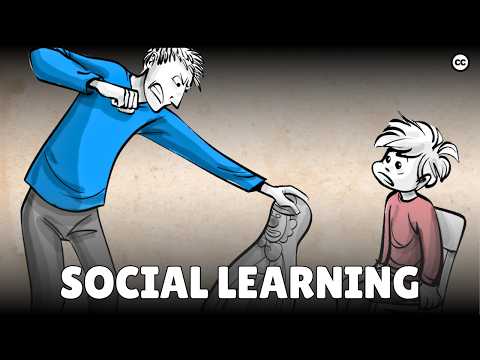
You know how sometimes you learn something from watching others? Like, you pick up a dance move or a way of talking just by being around your friends? That’s kind of the vibe of Bandura’s social theory.
Basically, it’s all about how we shape our behaviors and thoughts through observation and imitation. It sounds simple, but it’s got some serious weight when it comes to understanding mental health.
Imagine you’re feeling down. You see a friend cope in a healthy way—maybe they go for a run or talk it out. Suddenly, you’re like, “Hmm, maybe I could try that!”
That’s the heart of Bandura’s idea! It’s not just about what we do but also how we learn from each other. And in mental health, that connection could be the key to healing and growth. Pretty cool, right?
Understanding Bandura’s Social Learning Theory: Key Concepts and Implications for Mental Health
Have you ever noticed how you sometimes pick up habits from those around you? That’s pretty much what Bandura’s Social Learning Theory is all about. Basically, it says that we learn behaviors, attitudes, and emotional responses by watching other people. So, if you’ve seen a friend handle stress by exercising, you might be inspired to do the same.
One of the key concepts here is **observational learning**. This means we learn by observing others and the consequences of their actions. Remember that time you watched someone try a new technique in yoga? You probably picked up some tips just by watching them struggle or succeed. This kind of learning can influence your mental health too—especially in how you deal with stress or relationships.
Then there’s **modeling**. It’s when someone acts as a role model for us, showing us what to do or not do in different situations. Think of it like this: if your older sibling handles conflict calmly and respectfully, you might learn to approach disagreements in a similar way. This can really shape how we develop coping strategies for our own mental health issues.
Also important is **self-efficacy**, which is basically your belief in your ability to succeed at a task or overcome challenges. Bandura believed that when we see others succeed through perseverance, it boosts our own confidence and motivation to tackle similar situations. Like when you see someone overcoming anxiety about public speaking—you might think, “If they can do it, I can too!” This belief can make all the difference when facing mental health struggles.
Now let’s talk about some implications for mental health care:
- Therapeutic Techniques: Therapists often use modeling techniques in sessions—showing clients healthy coping strategies or behaviors.
- Support Groups: Group therapy leverages observational learning; members might learn from one another’s experiences and responses.
- Role-Playing: This helps individuals practice new skills in safe settings, boosting their self-efficacy and confidence.
Think about Jane who struggled with social anxiety. She joins a group therapy session where members share their experiences of overcoming similar fears. Watching others speak up gives her hope, showing her that change is possible.
The theory also highlights how environmental factors—like family dynamics or cultural influences—affect mental health outcomes. For instance, if you’re raised in a supportive environment where expressing emotions is okay, you’re more likely to develop better emotional regulation skills as an adult.
In a nutshell, Bandura’s Social Learning Theory sheds light on just how much we’re influenced by those around us—which includes both positive and negative behaviors. Recognizing this can be incredibly empowering for anyone dealing with mental health issues; because it reminds us that change is possible through observation and adaptation.
So next time you’re feeling stuck or anxious about something new, remember that you have the power to learn from others’ experiences—and maybe even become a role model yourself!
Understanding Bandura’s Theory: Insights into Social and Emotional Development
Bandura’s theory is pretty fascinating and really influential when it comes to understanding how we learn from each other. You know, a lot of our social and emotional development comes from observing others. That’s what Bandura, a psychologist who really dug into this idea back in the day, calls **social learning theory**. It’s like saying you pick up behaviors, attitudes, and even emotions just by watching those around you. Crazy, right?
One of the big ideas here is **modeling**. Think of it like this: if you see someone being kind and caring, you’re more likely to act that way too. It’s not just about copying; it’s about understanding how behaviors work in different social settings. When kids watch their parents or peers handle tough situations or express feelings, they learn ways to cope themselves.
Another key point is the role of **self-efficacy**. This is basically your belief in your ability to do things. If someone has a high sense of self-efficacy, they’re more likely to take on challenges and persevere through difficulties. For example, if a kid sees that their friend tried out for the soccer team and succeeded after practicing hard (and maybe failing at first), they might think, “Hey, I can do that too!”
Also important are the influences of **reinforcement** and **punishment** in this theory. When you see someone rewarded for their good behavior—like getting praise for helping out—that increases the chance you’ll do something similar because you want that reward too! On the flip side, when someone gets in trouble for acting out, it can deter you from doing something similar.
Bandura also highlighted how important environments are to our learning process—and let me tell ya—it’s huge! Your environment shapes your experiences and influences your development significantly . For example, kids growing up in supportive and loving homes might feel more secure emotionally compared to those who face neglect or criticism.
So why does all this matter for mental health? Well, knowing how these factors connect can help professionals develop better interventions for people struggling with things like anxiety or depression. If someone understands what influences their self-efficacy or social skills—or how these relationships impact them—they can work on developing healthier habits.
In summary, Bandura’s insights into social learning give us a pretty clear picture of how we grow emotionally and socially through our interactions with others. By understanding this process better—like modeling behaviors or dealing with reinforcement—we can find tools to improve mental well-being along the way.
So yeah! That’s Bandura’s theory in a nutshell—pretty cool stuff when you think about how it connects all sorts of dots in our lives!
Exploring Bandura’s Profound Impact on Modern Psychology: A Deep Dive into His Theories and Legacy
Albert Bandura is a big name in psychology. His theories have shaped the way we understand human behavior. You might’ve heard of his idea of **social learning**. Basically, this means we learn from observing others, not just through our own experiences. It’s like watching your older sibling ride a bike and then giving it a whirl yourself.
So, what’s the deal with Bandura’s theories? One of his major contributions is the **concept of self-efficacy**. You know, it’s all about your belief in your ability to do something. If you think you can handle a challenge, you’re more likely to tackle it head-on. On the flip side, if you doubt yourself, you might shy away from those challenges.
Here are some key points about Bandura’s impact on modern psychology:
- Modeling Behavior: When you see someone succeed or fail at something, it influences how you approach similar situations.
- Self-Efficacy: Your confidence plays a huge role in whether or not you’ll take action.
- Observational Learning: Learning doesn’t solely happen in classrooms; it’s happening all around us every day.
- Cognitive Processes: He emphasized that it’s not just about behavior; our thoughts and feelings matter too!
Now, how did all this tie into mental health? Well, let’s say you’re struggling with anxiety or low self-esteem. Understanding that these feelings can be influenced by what you’ve seen or experienced can be really eye-opening! For example, if you often see others facing their fears and coping well, it might inspire you to step out of your comfort zone.
Bandura also introduced the idea that we can change our behaviors by changing our environment and what we expose ourselves to. Like, if you’re feeling stuck in negative thought patterns, seeking out positive influences—friends who uplift you or media that inspires—can make a difference.
An interesting anecdote? Think back to when someone close to you tried to quit smoking after seeing a friend successfully do it. That friend became a role model without even knowing it! It’s classic Bandura—your choices are shaped by those around you.
Let’s wrap up with how his legacy continues today. In therapy settings like cognitive-behavioral therapy (CBT), they use his concepts all the time! Therapists help clients understand their thought processes and encourage them to observe healthier behaviors in others as part of their healing journey.
In short, Bandura’s work reminds us that we’re influenced by our surroundings while also having the power to shape our own lives through our beliefs and actions. So next time you’re feeling unsure about tackling something new, remember: observing success around you can spark your own potential too!
You know, Bandura’s Social Learning Theory is one of those things that really gets me thinking about how we become who we are. It’s like, we’re always learning from each other, right? I mean, consider this: you might pick up a habit or even a way of thinking just by watching someone close to you. It’s fascinating!
Take my friend Sarah, for example. She always struggled with anxiety and would get super overwhelmed in social situations. But then she started hanging out with a more chill group of people who approached life differently. Over time, she picked up their relaxed vibes and learned to handle her anxiety better. That’s classic Bandura for you!
The way Bandura explains this whole process is through something he called observational learning. Basically, it’s when you see someone else doing something—like handling stress well or being assertive—and then you kind of mimic that behavior yourself. So if you’re surrounded by folks who handle life’s bumps gracefully, you’re more likely to adopt those same strategies.
And let’s talk about self-efficacy, too! It’s this awesome concept where your belief in your own ability can really shape how you tackle challenges in life—whether it’s facing your fears or trying therapy for the first time. If you see someone else succeeding, it boosts your confidence that maybe you can do it too.
But here’s the thing: if you’re looking at a negative environment—like friends who constantly grumble or lack motivation—that can totally drag you down mentally as well. It highlights that delicate balance between the positive and negative influences around us.
In mental health contexts, therapists often use these principles to help clients improve their coping skills or change unhelpful behaviors. You might learn some new ways to deal with stress just by observing what others do in similar situations!
So yeah, Bandura’s ideas really emphasize how interconnected we all are when it comes to our mental health journeys and personal growth. It reminds us that sometimes all we need is the right role model—or even just someone who’s been through the wringer—to help guide us on our path to feeling better about ourselves and our lives.