You know how sometimes, when you’re going through stuff, it’s hard to figure out what’s really going on in your head? Yeah, like when emotions feel all jumbled up.
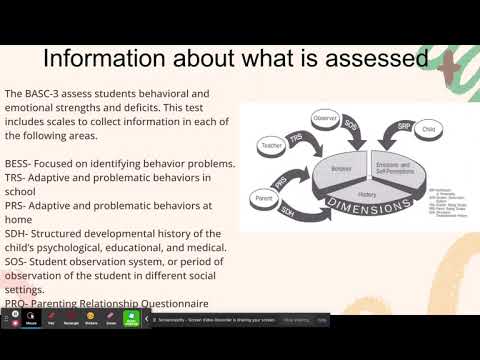
Well, that’s where things like the BASC-3 come into play. It stands for the Behavior Assessment System for Children—third edition. Honestly, it sounds a bit fancy, right? But it’s a tool that helps break down those complicated feelings and behaviors.
Imagine talking to someone who gets you and can help sort things out. The BASC-3 kinda does that but in a more structured way. It looks at how kids think, feel, and act. Serious stuff!
So, if you’re curious about how this whole thing works—or just wanna get the lowdown on mental health evaluations—stick around. You might just find some useful gems here!
Understanding the BASC-3 Behavioral Symptoms Index: A Comprehensive Guide for Parents and Educators
The BASC-3, or **Behavior Assessment System for Children**, is a tool that many parents and educators use to understand kids’ behavior and emotional well-being. So, let’s break this down a bit, especially the **Behavioral Symptoms Index** (BSI) part.
The BSI helps you get a snapshot of a child’s struggles. It looks like they’re juggling with issues related to emotions or behavior. Think of it as checking in on how your kid is doing overall, kind of like asking them how their day was but on a more detailed level.
Why is the BASC-3 Important?
When you’re trying to figure out if your child needs extra support, the BASC-3 gives you insight into their everyday experiences. It’s designed for kids age 2 through 21, which is super helpful because children develop at different rates. So whether they are just starting kindergarten or getting ready for high school, this tool can help.
Key Features:
- Multiple Perspectives: It gathers info from different sources—like parents, teachers, and even the kids themselves. This gives a fuller picture.
- No Single Answer: The BSI doesn’t label kids with one word like «bad» or «troublesome.» Instead, it dives into specific areas where a kid might be struggling.
- Focus on Externalizing/Internalizing Problems: It helps differentiate between issues like being overly aggressive (externalizing) versus feeling really sad (internalizing).
Let me put this in perspective. Imagine you have a kid who’s suddenly acting out in class—yelling and hitting. You might think they’re just acting up without considering that they could be feeling anxious or overwhelmed inside.
The Response Pattern Index
Now onto the **Response Pattern Index** within BASC-3. This part looks at how consistent and reliable the child’s responses are on the assessment questions. If they’re all over the place in their answers? That’s something to look into further!
This index is key because inconsistent answers might suggest some confusion about feelings or maybe even intentional bias—like wanting to appear better than they feel or vice versa.
What Parents Should Watch For:
If you’re looking at this data—either from your own child or one you’re working with—you’ll want to notice patterns that stand out:
- A big disparity between what parents say vs what teachers observe could indicate different environments affecting behavior.
- If externalizing problems show much higher scores than internalizing ones (or the other way around), it may guide which support strategies would be best.
Here’s an example: Let’s say your son reports feeling fine but his teacher notes he struggles with focusing and often looks anxious during tests. This could mean he has anxiety about performance but isn’t ready to express it yet.
The Bottom Line
The **BASC-3 Behavioral Symptoms Index** isn’t just numbers; it’s a vital resource for understanding our kids more deeply and figuring out how we can support them better. Whether you’re spotting signs of stress or simply trying to figure out if that tantrum was normal toddler stuff, this tool gives insights that matter.
Navigating mental health as a parent or educator can be tough but knowing where to look makes all the difference! Every child has their own story; understanding those stories better allows us to help them write positive chapters ahead.
Understanding the Response Pattern Index: A Key Tool in Mental Health Assessment
The Response Pattern Index, or RPI, is an interesting tool used in mental health assessments. It’s part of the Behavioral Assessment System for Children, Third Edition (BASC-3). This tool helps professionals understand how kids and teens respond to questions about their feelings and behaviors. But you might be curious, why does that even matter?
Well, picture this: a kid walks into a room for a psychological evaluation. They might be anxious or feeling overwhelmed. The RPI helps clinicians see beyond just the answers. It highlights how consistently the child responds across different items on the test. If their responses are all over the place, it can indicate they’re unsure, confused, or maybe even trying to give socially acceptable answers.
So what does the RPI measure? Here’s where we can break it down a bit:
- Inconsistency: If someone’s responses vary greatly from one question to another, that can suggest they’re either not being honest or unsure about how they feel.
- Validity: This index shows whether responses are reliable and trustable. Low validity could mean the child isn’t quite understanding the questions.
- Engagement: High scores on consistency show that the child is engaged with the assessment process.
Imagine a kid who says they’re super happy one minute and then reports feeling sad shortly after. If there’s high inconsistency in their answers, it raises some flags for clinicians. They might think, “Okay, this kid could be struggling with emotional regulation.”
The thing to remember is that this tool isn’t just about identifying issues; it’s also about guiding treatment plans. By evaluating these response patterns, therapists can tailor their approaches better. For instance, if a child shows high inconsistency and low engagement in responses, a therapist might decide to use more interactive techniques instead of traditional talk therapy.
Now let’s say you’ve got a teenager taking this assessment who feels pressure to fit in at school. They might give answers trying not to stand out or reflect what they think adults want to hear. The RPI helps point out these inconsistencies—leading to conversations that help them voice their true feelings.
In short: The Response Pattern Index is important because it gives insight into how reliable and valid responses are during mental health assessments. By identifying these patterns early on, clinicians can create effective treatment plans tailored specifically for each individual’s needs.
And remember: mental health evaluations aren’t just black and white; they’re nuanced journeys that require understanding someone’s unique emotional landscape!
Understanding the BASC Assessment for Depression: A Comprehensive Guide
The BASC (Behavior Assessment System for Children) is pretty important in evaluating mental health, especially when it comes to understanding depression in kids and teens. If you’re wondering what it’s all about, hang tight, because I’m gonna break it down for you.
First off, the BASC helps in gathering a whole lot of info about how a child is feeling and behaving. It’s like shining a flashlight on the darker corners of their emotional world. The newest version, the **BASC-3**, comes with a bunch of tools that allow psychologists to get detailed insights into different aspects of a child’s mental health.
One of the cool features is the **Response Pattern Index**. This index helps check whether someone is being honest and consistent with their responses on these assessments. Sometimes people might not answer truthfully or may be confused about what they really feel. The Response Pattern Index keeps things more accurate by spotting those issues.
Now let’s get into some specifics. When someone takes the BASC-3 for depression evaluation, they answer questions about how they’ve been feeling and acting lately. It covers emotions like sadness, irritability, and withdrawal from friends—which are key signs of depression.
Imagine a shy teenager named Alex who used to love playing soccer but now sits alone during lunch and barely smiles anymore. The BASC-3 would help highlight those changes by analyzing how Alex responds to various questions about feelings and behaviors—like whether he feels hopeful or thinks things will never get better.
The results give scores across several areas:
This way, you get a fuller picture rather than just focusing on one aspect of what’s going on in their lives.
Also important: after analyzing those scores, professionals can determine what kind of support might be helpful for each individual kiddo—be it therapy, counseling, or other resources.
In short, understanding the BASC assessment means recognizing its key role in identifying depression among children and teenagers via careful observation of behaviors and feelings that may otherwise slip through the cracks. With tools like these at hand, we can give young people better chances to overcome whatever they’re facing by genuinely understanding them first!
So, let’s chat about this thing called the BASC-3 Response Pattern Index. It sounds pretty technical, right? But stick with me for a minute. Basically, the BASC-3 is a tool used in mental health evaluations, especially for kids and teens. It helps psychologists get a real feel for how someone is doing emotionally and behaviorally.
Now, the Response Pattern Index is all about looking at how honest or consistent those answers are. You know how when you take a test and, like, you just don’t really feel like being honest? Or maybe you’re not sure how to put your feelings into words? Yeah, that can happen here too. The index kinda checks if the responses follow a certain pattern that might suggest the person is trying to show themselves in a better light or if they’re being evasive.
I remember this one time when I was helping a friend through some tough times. They filled out a similar questionnaire and it was clear they were holding back because they didn’t want to seem weak or misunderstood. That makes total sense! No one wants to think they’re broken or something’s wrong with them. But when someone tries to present themselves differently than they really feel—often to protect themselves—well, it can mess with the results of these evaluations.
What’s really cool about using the Response Pattern Index is it gives clinicians some insight into that whole inner world of the person being evaluated. It can reveal if someone is struggling more than they’re willing to admit or if they’ve got other things going on that need attention.
But look—it isn’t all black and white. You can’t just say, “Oh, this person didn’t answer honestly.” There’s context behind every response; life experiences shape how we express ourselves. So what matters here is combining these insights with other information to get a full picture of someone’s mental health.
It’s kind of like piecing together a puzzle—you’ve got some beautiful parts of art but without understanding where each piece fits in the bigger picture, good luck getting clarity! That’s why mental health evaluations need to be approached thoughtfully and compassionately; we’re all carrying our own stories around us.