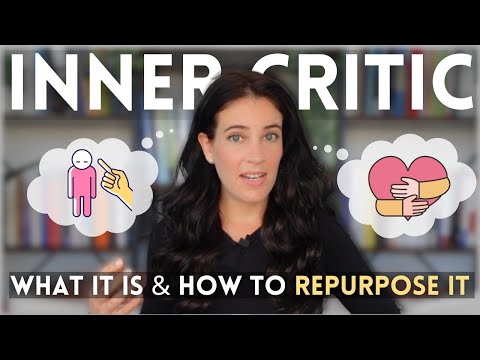
You know that voice in your head? The one that’s always nagging, saying you’re not good enough? Yeah, that one. It’s like an annoying friend who never knows when to shut up.
Well, guess what? You’re not alone. Seriously, we all have that inner critic. It can be exhausting! Sometimes it feels like we’re in a battle with ourselves.
But here’s the thing: you can totally conquer that inner critic. You can learn to quiet it down and even flip the script. Imagine how freeing it would be to ditch those heavy thoughts and feel lighter!
Let’s chat about how to tackle this pesky voice and boost your mental health while you’re at it. Sound good? Cool, let’s get into it!
Overcoming Your Inner Critic: A Transformative Audiobook for Mental Wellness
Hey, let’s talk about that pesky inner critic we all have. You know, that annoying voice in your head telling you you’re not good enough or constantly pointing out your flaws? Well, overcoming it is a big deal for mental wellness, and there are ways to tackle it head-on.
First things first, what is this inner critic? Think of it as the part of us that doubts ourselves. It usually picks up on past experiences or negative feedback we’ve received. Like maybe when you messed up in front of your friends, and now every time you want to speak up, that voice chimes in with “You’ll embarrass yourself again.” It can be relentless!
Now onto some strategies for dealing with this inner critic. Here are a few important points:
- Acknowledge Its Presence: Seriously, just accepting that this voice exists is the first step. Once you recognize it’s there, you can start separating your worth from its judgment.
- Challenge the Criticism: You can ask yourself if what it’s saying is actually true. A lot of times, the things our inner critic says are based on old stories we tell ourselves.
- Practice Self-Compassion: This is key! Treat yourself like you would treat a friend who’s struggling. Would you tell them they’re worthless? Probably not! So why do it to yourself?
- Reframe Your Thoughts: Take those negative thoughts and flip them around. Instead of “I’m terrible at this,” try “I’m still learning.” It changes the game.
- Meditation and Mindfulness: These practices help quiet your mind and foster a sense of awareness about your thoughts without judgment.
Let me share a little moment from my life here. There was a time I bombed a job interview. I mean seriously flubbed it! My inner critic had a field day after that: “You’ll never get hired,” “Why did you even think you were qualified?” But instead of spiraling down into despair, I took a step back. I recognized that voice didn’t define me or my abilities—it was just noise trying to hold me back.
Now audiobooks can be really helpful in this journey too! Listening to something like “Overcoming Your Inner Critic” could guide you through these strategies while you’re doing other stuff—like cooking or commuting! They offer insights and techniques right when you’re relaxing or on the move.
So basically, tackling your inner critic isn’t easy—it takes practice and patience—but with awareness and these strategies, you can definitely make progress toward better mental health. Remember to be kind to yourself during this whole process; after all, we’re all human here!
Unlock Your Inner Strength: A Comprehensive PDF Guide to Self-Therapy for Overcoming Your Inner Critic
You know that little voice inside your head? The one that’s always critiquing you, telling you you’re not good enough, or that you couldn’t possibly do that thing? Yeah, that’s your inner critic. And honestly, dealing with it can feel like a full-time job. But learning how to manage this voice is super important for your mental health.
Understanding the Inner Critic involves recognizing it as a part of you rather than as the whole you. It’s like a shadow—always there, but not the entirety of who you are. This inner critic often roots itself in past experiences, negative feedback from others, or societal expectations. So really, it’s shaped by what you’ve lived through.
But how do we tackle this sneaky little fellow? Here are some ways to work on it:
- Acknowledge Its Presence: You can’t fight something you’re ignoring. Start by noticing when the critic speaks up. Is it during stressful situations? Before a big presentation?
- Challenge the Thoughts: When those mean thoughts pop up, take a moment to question them. Are they really true? For instance, if it says «You failed that test,» flip it to «I didn’t do as well as I wanted, but I can try again.»
- Practice Self-Compassion: Treat yourself like you would treat a friend in the same situation. Would you be harsh on them? Nope! Show yourself some grace.
- Mindfulness and Meditation: These practices can help ground you and separate yourself from those critical thoughts. Even just five minutes of focusing on your breath can make a difference.
- Journaling: Get those thoughts out of your head and onto paper. Writing down what the critic says—and then countering those points—can provide clarity.
Let me share a quick story here: A friend of mine struggled with public speaking due to her inner critic constantly whispering that she would embarrass herself in front of others. One day she decided to practice her speech in front of just one other person—a supportive buddy who reminded her how great she was when she spoke passionately about things she cared about. That simple act shifted her perspective! Instead of listening to her inner critic, she focused on sharing her message.
It’s all about reframing your mindset. This takes time and practice—like building muscle at the gym—but seriously worth every moment spent.
Speaking of time: don’t rush yourself into feeling great immediately; that can backfire! Set achievable goals along this journey. Maybe today it’s simply recognizing when your inner critic shows up; tomorrow could be challenging one negative thought.
It’s important to remember: You’re not alone in this struggle with self-criticism; it’s pretty common! Lots of folks battle their inner voices daily, so seeking support from friends or even professional therapy could be helpful too.
Just remember—you are more than your inner critic thinks you are! Embrace who you are with all your imperfections; that’s where real strength lies. Good luck on this journey toward conquering your inner critic!
Transform Your Self-Talk: Download Free Inner Critic Worksheets PDF for Improved Mental Health
Sure! Let’s talk about that inner critic of yours. We’ve all got one, right? That little voice that tells you you’re not good enough or that you’ll mess up. Seriously, it’s a sneaky little jerk sometimes.
When we talk about transforming self-talk, it’s all about flipping the script in your head. Instead of listening to that negative chatter, you can learn to recognize it and challenge it. That’s where those Inner Critic Worksheets come in handy! They’re tools to help you identify and change those negative thoughts into more positive and realistic ones.
First off, let’s get into what self-talk really is. It’s basically your internal dialogue—the stuff you tell yourself throughout your day. If it’s mostly harsh and judgmental, it can take a toll on your mental health, leading to anxiety or depression.
Here are some ways those worksheets can support you:
- Identify Negative Thoughts: The worksheets often encourage you to write down what your inner critic says. Like, “I’ll never succeed” or “I’m such a failure.” Seeing these thoughts on paper can help you realize how often they pop up.
- Challenge the Critic: Once you’ve got those thoughts down, the next step is questioning them. Ask yourself if they’re really true or if there’s evidence against them. You might find they’re based on old experiences rather than reality.
- Create Positive Affirmations: After challenging those pesky thoughts, flip them! Instead of saying “I’m not good enough,” try something like “I am capable and learning every day.” It’s amazing how much a shift in words can shift your mindset.
Now, let me share a quick story. There was this friend of mine who always thought she wasn’t good at public speaking. She’d literally avoid situations where she had to talk in front of people because her inner critic would scream things like “You’ll mess up” or “Everyone will judge you.” But after working through some worksheets together, she realized just how untrue those thoughts were! She even ended up giving a presentation successfully—totally rocking it!
So yeah, the thing is, transforming self-talk isn’t an overnight fix—it’s a journey! With consistent practice using techniques from those worksheets and becoming aware of how you speak to yourself daily, you’ll start seeing shifts in how you feel about yourself.
One last thing: Remember that it’s okay to struggle with this sometimes. Everyone has their ups and downs! Just be patient with yourself as you work through this process—it takes time to conquer that inner critic and build a healthier relationship with your own thoughts.
You know that voice in your head that seems to always point out your flaws? Yeah, that one. It can be a real pain, can’t it? It’s like having a little gremlin constantly whispering things like, «You’re not good enough,» or «Why did you say that?» Honestly, it’s exhausting.
I remember chatting with a friend once who was feeling down about their job. They kept saying stuff like, “I’ll never get promoted,” or “I’m just not cut out for this.” And I could see how their inner critic was running the show. It wasn’t until we talked about it more that they realized those thoughts weren’t facts. They were just opinions—albeit harsh ones—that didn’t reflect the reality of their abilities.
So, what can you do about this pesky critic? First off, recognizing it is huge. You might feel like it’s part of who you are, but hey—it doesn’t have to be! When you start to notice when those negative thoughts creep in, you can challenge them. Ask yourself why you’re thinking this way or what evidence there is to back it up. A lot of times, there isn’t any!
Next step? Give yourself some grace. Seriously! Treat yourself the way you’d treat a good friend. If they stumbled at work or messed up in a social situation, would you tear them down? Nope! You’d probably offer support and encouragement instead.
Practicing self-compassion is key here. And let me tell ya; it feels a million times better than wallowing in self-doubt. There’s something really freeing about learning to laugh off mistakes and remind yourself that everyone has off days.
And don’t forget: therapy can be an awesome avenue for tackling your inner critic too. Talking things through with someone else makes a world of difference sometimes—especially when you’re wrestling with thoughts that feel insurmountable.
In the end, conquering your inner critic doesn’t happen overnight; it’s more like slowly training a puppy not to bark at every squirrel. But every time you challenge those negative thoughts and replace them with something kinder? That’s a win for your mental health! So cut yourself some slack; you’re doing better than you think!