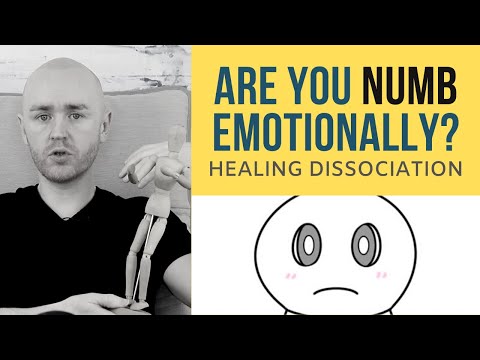
You know that feeling when you’re just… kind of stuck? Like your emotions are on mute?
Honestly, it can be super frustrating. You’re going through life, and everything feels dull. You’re not sad, but you’re not exactly happy either. It’s like wandering in a fog.
What’s really going on there? It’s all about numbing emotions. We all do it sometimes, right?
But here’s the thing: numbing isn’t an answer. It can mess with our mental health in ways we don’t even realize. Let’s chat about this a bit more and dig into why it happens and what we can do about it.
Finding Relief: Best Therapies for Overcoming Emotional Numbness
Emotional numbness can be like living in grayscale when everyone else is enjoying a vibrant rainbow. You know, when it feels tough to connect with your feelings, and even the things that used to bring you joy seem dull? Yeah, it’s a tough spot. If you’re dealing with that kind of emotional flatness, you might be wondering how to find some relief. Let’s take a closer look at some therapies that could help shake things up a bit.
One powerful approach is Cognitive Behavioral Therapy (CBT). This one’s all about identifying and changing negative thought patterns. Think of it this way: it’s as if your brain is wearing foggy glasses that make everything seem less bright. CBT works on helping you clear those lenses so you can start seeing things more clearly again.
Another solid option is Mindfulness-Based Therapy. This method encourages you to be present in the moment and notice your thoughts and feelings without judgment. Imagine sitting quietly, focusing on your breathing, or just appreciating a sunset without feeling the weight of your worries—sounds nice, right? Mindfulness can help anchor you back to yourself and pull you out of that numb state.
Then there’s Emotion-Focused Therapy, which man, hits close to home for many people. It dives deep into feelings—like really deep—as if you’re exploring an underwater cave filled with hidden treasures. The idea here is not to avoid those emotions but rather to embrace them and understand them better. Once you do that, it’s easier to reconnect with what you’re feeling.
Don’t forget about Art or Music Therapy. If talking ain’t really your jam, expressing yourself through art or music can be super effective. You could paint your feelings or play an instrument; sometimes creativity unlocks emotions in ways mere words can’t reach.
Also worth mentioning are support groups. Sometimes sharing your experiences with others who feel the same way can help lift that haze of numbness off your chest. Just being around people who get it can create a sense of belonging and connection that’s hard to find when everything feels muted.
But hey, don’t forget about medication if that seems relevant for you! Some folks find that antidepressants or mood stabilizers help ease their symptoms enough for therapy techniques to sink in better. Just remember not every person will need this.
So there you have it! These therapies may not work overnight—healing takes time—but they sure can be effective tools in overcoming emotional numbness when life feels colorless.
Don’t hesitate to reach out for support along the way; we all need a little help sometimes!
Understanding Emotional Numbness: The Mental Illnesses Behind Feeling Detached
Emotional numbness. It’s like being on autopilot, right? You go through the motions of life but feel totally disconnected from your emotions. You’re not alone in this experience; it often pops up with some mental health issues. Let’s take a closer look at what might be going on when you feel this way.
What is Emotional Numbness?
Basically, emotional numbness means you’re not feeling the full range of your emotions. Joy? Sadness? Anger? They all seem muted or just out of reach. It can be super frustrating because, let’s face it, feeling things is part of being human!
So, why does this happen? Well, emotional numbness can often be a response to overwhelming stress or trauma. Your brain might be trying to protect you from pain by shutting down your feelings. Strange but true!
Mental Health Conditions Linked to Emotional Numbness
Several mental health conditions can contribute to this feeling of detachment:
Imagine someone going through a tough breakup—when the sadness feels so heavy that all they want to do is switch off their feelings entirely. This could lead them down the path of emotional numbness.
The Science Behind Numbing Emotions
On a biological level, emotional numbness can be connected to how our brains process emotions and stress responses. When faced with high levels of stress or trauma, areas in the brain that manage emotions—like the amygdala—can become hypersensitive or underactive at different times.
This leads us back to that protective mechanism I mentioned earlier: it’s like your brain saying “Not today!” when faced with any negative feelings.
Coping With Emotional Numbness
If you’re experiencing emotional numbness, there are ways to start reconnecting with those feelings again:
Just remember: feeling detached isn’t something you have to live with forever. With support and some self-care practices, it’s possible to start feeling more like yourself again!
Emotional numbness can feel really isolating; but knowing what’s behind it helps demystify the experience. So if you’re feeling detached, know that understanding what’s happening inside might just be the first step towards reconnecting with those vital emotions.
Understanding the Psychology Behind Emotional Numbness: Causes and Insights
Emotional numbness is, like, this really puzzling thing that can creep up on you. You might feel totally blank, detached from your emotions and experiences. It’s like watching life through a foggy window. So, what’s behind all this? Let’s break it down a bit.
What Causes Emotional Numbness?
Well, there are a few main culprits here. One of the biggest reasons people experience emotional numbness is as a result of trauma. Imagine going through something super painful—like loss or abuse. Your mind can create this protective shield to keep you from feeling those intense emotions again. That’s one way your brain tries to help you cope, even if it feels pretty awful in the long run.
Another factor could be depression or anxiety. When you’re stuck in that cycle of negative thoughts or overwhelming worry, sometimes emotions just take a backseat, you know? It’s easier to zone out than to deal with everything crashing down around you.
Other Contributing Factors
There are also some lifestyle and environmental hints that play into emotional numbness:
- Stress: Constant high stress levels can wear you down.
- Substance Use: Whether it’s alcohol or drugs, they can dampen your feelings.
- Isolation: Spending too much time alone can make it hard to connect with your feelings.
And then there are mental health conditions like PTSD and borderline personality disorder which often bring along emotional numbness as part of their package.
The Impact on Daily Life
Living with emotional numbness isn’t easy. You might find yourself feeling disconnected from loved ones or losing interest in things that once brought joy, like hobbies and socializing. It’s disorienting! That feeling of being on autopilot—like when you’re going through the motions but not really living life—can lead to frustration and loneliness.
Sometimes people who feel emotionally numb don’t even realize what’s happening until they try to reconnect with those feelings again. An example could be someone who has been so caught up in work stress that they’ve missed out on important family events—just because everything seems blurry and unimportant when you’re in survival mode.
Finding Your Way Back
If you’re dealing with emotional numbness, there are ways to start reconnecting with yourself:
- Talk Therapy: This can help peel back those layers and uncover what’s underneath.
- Mindfulness Practices: Things like meditation or yoga might help bring some feelings back.
- Journaling: Writing out thoughts can sometimes spark buried emotions.
Each person is different though; some find relief quickly while others take longer routes.
So yeah, understanding why emotional numbness happens is key in addressing it. The experience may feel isolating but knowing the reasons behind it brings us one step closer to reclaiming our feelings—and really living again!
Numbing emotions—isn’t that a phrase that hits home for a lot of us? You know, it’s like when life throws all this stuff at you, and instead of feeling it, you just… shut down? You might binge-watch TV shows or scroll through social media endlessly, kinda hoping to escape the heaviness. I remember this one time when a friend of mine lost her job. Instead of dealing with the feelings of confusion and sadness, she just dove into work at another part-time gig. Crazy busy, but inside? She was totally numb.
From a psychological perspective, numbing is often our brain’s way of protecting us from overwhelming feelings. If you think about it, it makes sense—our minds sometimes kick in this survival mode where emotions feel like too much. And honestly, who wouldn’t want to dodge those painful moments if they could? But here’s the kicker: while numbing might feel comfortable in the short term, it can lead to some real problems down the road.
You see, when we avoid feeling something painful—like grief or anxiety—we also miss out on the good stuff. Joy, love, excitement—you name it! It’s all tied in together. So when you cut off those tough emotions to keep things under control, you’re also kind of putting a wall up around your happiness too.
Another thing to think about is how this can show up in different ways for folks. Some people numb through substance use—like drinking more than they intended or trying drugs to escape reality. Others might go down a more emotional route and just become distant from their friends and family. It’s wild how these patterns can emerge without even realizing it.
If you’re stuck in that cycle right now—or know someone who is—it might be worth having an honest chat with yourself or even seeking out a therapist who gets where you’re coming from. Just remember: feeling those uncomfortable emotions doesn’t mean you’re weak; it’s part of being human! It takes guts to face them head-on.
So next time you feel like shutting down your feelings—you know what I mean—try digging a little deeper instead. Sure, it’s not easy but opening yourself up could lead to some seriously good stuff waiting on the other side. Here’s hoping we all find a balance between those tough times and the joyful moments life throws our way!