You know, figuring out what’s going on in someone’s head can be a bit like solving a puzzle. It takes more than just looking at the pieces, right?
In clinical psychology, behavior assessment techniques are like those special tools that help us piece everything together. They give us a peek into how someone thinks, feels, and acts.
Sometimes it’s not just about what they say but how they say it or even what they don’t say at all. You follow me?
These techniques are super important because they help therapists understand their clients way better. It’s all about connecting the dots between emotions and behaviors.
So let’s chat about these assessment techniques and how they can really shine a light on what’s happening inside someone’s mind. It’s fascinating stuff!
Understanding Behavioral Assessment Techniques: A Guide to Effective Psychological Evaluation
Behavioral assessment techniques are super important in clinical psychology. They help psychologists understand a person’s thoughts, feelings, and behaviors in a structured way. When someone walks into a therapist’s office feeling overwhelmed or confused, these assessment techniques can shine a light on what exactly is going on beneath the surface.
So, what goes into a behavioral assessment? Well, a few key techniques really stand out:
- Direct Observation: This is where the psychologist watches the person in real-time. Imagine being observed during an interaction with friends or while tackling daily tasks. The goal is to see how you react to different situations and stimuli.
- Self-Report Questionnaires: These are surveys where you describe your own behaviors and feelings. They usually ask about your mood, habits, and life experiences. It’s like taking a snapshot of your mental state from your perspective.
- Behavior Rating Scales: These scales gather information from multiple sources—like parents, teachers, or spouses—about how someone behaves across different settings. Picture it as collecting feedback from folks who know you well.
- Cognitive Behavioral Assessment: This technique focuses on pinpointing specific thoughts that lead to particular behaviors. For example, if you feel anxious about public speaking, what thoughts run through your head right before stepping up to speak? Identifying these can lead to better coping strategies.
Now let’s talk about why these assessments matter. Take someone dealing with anxiety; they might feel trapped in their own mind—like running on a hamster wheel of worries that never stops spinning. By using behavioral assessments, the psychologist can identify triggers and patterns that contribute to those anxious feelings.
For instance, imagine this: You’re always nervous before attending social events and can’t figure out why. A therapist could observe how you behave when surrounded by people—do you withdraw? Do you fidget? Then they might follow up with some questionnaires to dig deeper into those feelings of unease.
Another example could be with children diagnosed with ADHD; observation helps capture impulsive behavior during various activities like playtime or classroom settings. Parents’ insights through rating scales add another layer of understanding.
But here’s the thing: using just one technique doesn’t give the full picture! That’s why psychologists often mix them up to gather comprehensive data about you as a person—your unique quirks and experiences.
By weighing all this information together—the observations, self-reports, and feedback—a psychologist gets closer to figuring out what’s really happening inside your mind so they can offer tailored support that actually works for you.
In short, behavioral assessment techniques form like the backbone of effective psychological evaluation. They pave the way for genuine understanding and treatment planning tailored just for you!
Exploring the Different Types of Behavioral Assessments: A Comprehensive Guide
Behavioral assessments are a key part of understanding someone’s mental health. They help clinicians figure out what’s going on in a person’s life and design the best path forward. There are several different types of behavioral assessments, and each has its unique approach and benefits.
1. Structured Interviews
This is, like, one of the most common methods. Here, a clinician asks a series of set questions to get detailed information about an individual’s behavior and feelings. It’s kind of like having a chat, but with specific goals in mind. The cool thing is that it helps standardize responses, which makes it easier to compare different cases.
2. Rating Scales
These scales let people score their own behaviors or feelings on a set scale—think of it as how you’d rate your day on a scale from one to ten. They help quantify emotions and behaviors over time, so you can see if things are getting better or worse.
3. Observational Assessments
Sometimes direct observation is the best way to go! This involves watching someone in their natural environment—like at home or school—to see how they interact with others and handle different situations. An example? A teacher might observe a student during class to understand their social interactions better.
4. Functional Behavioral Assessment (FBA)
This one’s super interesting! FBA digs into why certain behaviors happen by looking at the context around them—like what happens right before and after the behavior occurs. It helps identify triggers and can guide interventions that address those triggers directly.
5. Self-Monitoring
This technique encourages individuals to keep track of their thoughts, feelings, and behaviors themselves over time—a bit like journaling but more structured. You might write down when you feel anxious or angry to identify patterns in your emotional responses.
6. Performance-Based Assessments
These assess behaviors based on tasks completed under certain conditions—think role-playing scenarios for social skills training or even puzzle-solving tasks for cognitive assessments. They can reveal insights into how someone processes information or interacts with others in real-time.
Each method has its strengths and weaknesses, which means they often work best in combination with each other! You know how sometimes one size doesn’t fit all? Well, these assessments are similar; what works for one person might not work for another.
In practice, clinicians often blend these approaches to get the most comprehensive picture possible of someone’s mental health situation—it’s like putting together a puzzle, each piece helping to build that complete image! That way, they can tailor treatment plans that suit individual needs best, making the whole process more effective.
Remember, behavioral assessments aren’t just about labeling problems; they’re tools to promote understanding and growth! By gathering this information carefully, clinicians can help you find healthier ways of coping with life’s challenges.
Understanding Behavioral Assessment in Clinical Psychology: A Comprehensive Guide
Behavioral assessment in clinical psychology is all about getting to the heart of what someone’s actually doing, rather than just focusing on what they say. You know, it’s like a detective mission where you’re piecing together clues from real-life situations instead of guessing what’s going on inside someone’s head. Here’s a quick look into how this works.
What is Behavioral Assessment?
Essentially, behavioral assessment involves observing, measuring, and evaluating someone’s behavior in different contexts. Instead of saying “I feel anxious,” the focus shifts to “I sweat when I talk in front of people.” It gives a much clearer picture.
Why Do We Use It?
This kind of assessment helps psychologists understand the reasons behind certain behaviors. For example, let’s say you notice your friend avoids social gatherings. A behavioral assessment can help figure out if it’s due to social anxiety or maybe just not enjoying those events.
Types of Techniques
There are several techniques used in behavioral assessments:
- Direct Observation: This means watching a person in their natural environment. Like, if you’re helping your buddy who’s struggling with anger issues, you might observe how they react during a disagreement.
- Self-Monitoring: This is where individuals keep track of their own behaviors. Think about journaling your feelings when you’re feeling down—this helps spot patterns over time.
- Functional Analysis: Here we analyze behavior by looking at triggers and consequences. For instance, if someone eats junk food when stressed, this technique would explore what happens before and after that behavior occurs.
The Process
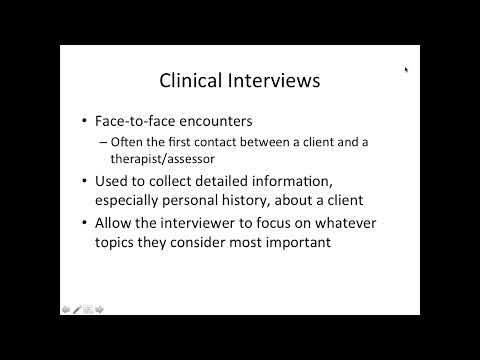
The process usually starts with an interview. A psychologist might ask various questions about emotions and behaviors that lead to challenges or distress. Then comes the data collection phase—gathering information through observations or self-reports.
The Benefits
One major perk? Behavioral assessment offers very concrete data that can help guide therapy decisions. Let’s say your therapist realizes you only feel anxious in certain settings; then they can target those specifically instead of taking a one-size-fits-all approach.
In my own experience with friends who’ve gone through therapy, I remember one who was struggling with constant procrastination. Through behavioral assessments, she discovered that she often felt overwhelmed at the start but could focus well once she got into tasks. This led her therapist to use strategies focusing on breaking down tasks into smaller chunks.
So yeah, behavioral assessments provide a clearer frame for understanding an individual’s challenges and strengths. They also bridge the gap between what people experience internally and their outward behaviors—a really important step toward effective treatment!
You know, when it comes to understanding ourselves or helping others, behavior assessment techniques in clinical psychology can really be a game changer. It’s like having a little magnifying glass to see what’s going on beneath the surface.
Think about the last time you felt super anxious about something—maybe a presentation at work or an intense conversation with a friend. You probably noticed your heart racing or that knot in your stomach, right? Those feelings are clues. They tell you something’s up. That’s where these assessments come into play.
These techniques aren’t just about asking questions; they can involve observing how someone acts in different settings, or even looking at what they’ve written in journals or responses to specific tasks. It helps psychologists figure out patterns and triggers—like spotting that one friend who always clams up in big groups but is totally chatty one-on-one.
I remember when my buddy was going through a rough patch. He was struggling with his mood but didn’t really get why. The therapist used some behavior assessment techniques and pinpointed how certain situations made him feel overwhelmed and withdrawn. Just knowing those patterns helped him take steps to cope better.
And it’s not just for anxiety! Whether it’s depression, ADHD, or even autism spectrum disorders, these tools help build a clearer picture of someone’s experience. They allow psychologists to tailor their approaches too—like finding the right puzzle piece for each individual.
But here’s something that might surprise you: it’s as much about collaboration as it is about diagnosis. It’s not like sitting in an interrogation room where you’re just grilled with questions; it’s more like joining forces with someone who genuinely wants to understand you better.
So yeah, behavior assessment techniques might sound all technical and formal, but at their core, they’re pretty humanistic and compassionate. They remind us that we all have unique stories worth exploring deeply—and that understanding those stories can make a huge difference in our lives.