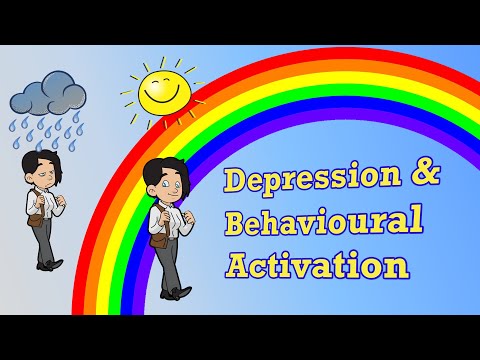
You know how sometimes you just feel stuck? Like you’re in a rut and can’t find your way out? Well, that’s where the Behavioral Activation Model comes into play.
It’s this cool approach that helps you get moving again—literally! Instead of just talking about your feelings, it gets you doing stuff to boost your mood.
Imagine waking up feeling blah and then having a game plan to shake things up. That’s what this model is all about.
It’s not some complicated theory or anything; it’s super practical, which makes it easy to grasp. Let’s break it down together!
Understanding the Behavioral Activation Model: A Guide to Boosting Mental Health
The Behavioral Activation Model is all about getting you moving when you’re feeling stuck. It’s a technique often used in therapy to help manage depression and anxiety by encouraging you to engage in meaningful activities. When you’re feeling low, it can be super easy to just want to curl up on the couch and not do anything. But that’s where this model comes in—by helping you break that cycle.
So, what’s the deal with this model? Basically, it focuses on changing your behavior to impact your mood. Sounds straightforward, right? Well, here’s how it works: when you start doing things that matter to you or even things that you used to enjoy, it can help lift your mood. Think of it like getting a little spark back in your life. Even small steps can lead to big changes.
Engaging in activities is crucial here. It could be as simple as taking a walk around your neighborhood or calling a friend for a chat. Let’s say you’ve been feeling pretty down lately and haven’t wanted to do much of anything—like my friend Anna, who spent weeks cooped up at home after a tough breakup. Once she began stepping outside for just 10 minutes every day, something shifted. She started feeling more energized and connected.
The goal of behavioral activation is not just about doing stuff—it’s about finding meaningful activities that resonate with you personally. Think about what brings you joy or even a sense of accomplishment:
- Hobbies you’ve lost touch with.
- Social interactions.
- Physical activities like yoga or dancing.
- Learning something new.
Another key point is recognizing those feelings of avoidance that pop up when you’re trying to engage in something positive, like panic before reaching out to friends or dread over starting an old hobby again. Understanding these feelings is part of the process.
So, how do we put this into practice? Well, starting small works wonders! You could keep an activity diary where you jot down things you’d like to do and check them off as you go along. The act of writing helps clarify what really matters and tracking progress gives a little dopamine boost—who doesn’t love that?
You’ve gotta remember: it’s totally normal to have ups and downs along the way. Like Anna found out, sometimes you’ll feel energized after getting active; other times, maybe not so much—but that’s okay! The important thing is showing up for yourself regularly.
In summary, the Behavioral Activation Model gives us practical tools for improving our mental health through action and engagement with life’s little joys—and let me tell ya, these small victories can really accumulate over time! So if you’re feeling down or stuck in a rut, maybe give this approach a shot—it might just light up your path again!
Understanding Behavioral Activation: The Best Examples of This Effective Therapy Technique
So, let’s chat about Behavioral Activation—an evidence-based therapy technique that’s really come into its own, especially when it comes to treating depression. The basic idea here is pretty simple: your emotions often follow your actions. If you’re stuck in a rut, just sitting there feeling down, things usually don’t change. But if you begin to engage with the world again? Well, that’s where the magic happens.
Here’s what you need to know: behavioral activation encourages you to get moving and do things that can uplift your mood. It’s like giving yourself a little nudge back into life. Think of it as a way to break the cycle of inactivity and negative feelings.
Why does it work? The premise here is fairly straightforward. When you’re feeling low, you might avoid activities that used to bring you joy or satisfaction. So by reintroducing those activities, even if it’s just tiny steps at first, you’re basically telling your brain “Hey, I can still feel good!”
Now let’s break this down a bit further:
- Activity Scheduling: This is where you plan specific activities throughout your week. Maybe it’s going for a walk every afternoon or calling a friend on Sunday evenings.
- Increasing Pleasurable Activities: You choose things that bring you joy or fulfillment—like painting, cooking, or playing video games!
- Avoidance Reduction: You tackle things you’ve been avoiding due to fear or anxiety. Like heading out for groceries when normally you’d order in.
- Mindfulness Practices: Engaging fully in experiences can give them more meaning and help pull you out of negative thought patterns.
Still not convinced? Let me share an example. Picture someone named Sarah who feels stuck in her home after losing her job. She spends days on end sitting on the couch binge-watching shows and feeling increasingly low. When Sarah tries behavioral activation, she starts small by committing to take a short walk around her block two times a week. Within days she notices something—a little lift in her mood! After that, she adds in meeting with friends for coffee once every two weeks and feels even better.
The beauty of this technique is that it doesn’t just treat symptoms; it addresses the root issues by getting people moving again—physically and emotionally! You see how taking baby steps can lead to bigger changes?
And hey, this isn’t some one-size-fits-all approach—it really tailors itself based on what works for each person. Some folks might want more structure; others prefer picking their own time slots for those activities.
Basically, behavioral activation is about remembering life isn’t always about grand gestures; sometimes just getting up and doing something—anything—is enough to spark change! Each step brings more awareness and helps build momentum towards recovery.
In all honesty? It’s about reclaiming those moments of joy step by step—you follow me? That’s what makes this approach so relatable and effective for many dealing with depression or anxiety.
Understanding Behavioral Activation: Essential Steps to Improve Your Mental Health
Behavioral Activation is a term you might not hear every day, but it’s a powerful concept in mental health treatment. You see, when people are feeling down or struggling with conditions like depression, they often withdraw from activities they once enjoyed. It’s this cycle of avoidance that can keep them stuck in a rut, feeling even worse. The idea behind behavioral activation is pretty simple: get back into the game of life! You know?
Basically, the model encourages engaging in meaningful activities to improve mood and overall well-being. When you start doing things, even if you don’t feel like it, your mood can gradually improve. It’s not about forcing happiness but rather creating opportunities for positive experiences.
- Identify Activities: The first step is figuring out what activities used to bring you joy or satisfaction. Maybe it was painting or hanging out with friends. This isn’t always easy—sometimes we forget what we love!
- Set Small Goals: Once you’ve got a list going, set achievable goals for yourself. If cooking used to be your jam but feels overwhelming now, start by just making a simple dish once a week.
- Create a Schedule: Like planning your week ahead for work or school, schedule these activities into your calendar! Treat them like important appointments that you can’t skip.
- Mood Tracking: Keep track of how these activities affect your mood over time. Notice any patterns? If spending time outside lifts your spirits more than scrolling on social media does, maybe prioritize those outdoor moments!
It’s all about building momentum. Imagine trying to push a giant rock uphill—at first, it feels really heavy and impossible. But as you keep nudging it along with small pushes (or in this case, small activities), eventually it starts rolling more easily.
A friend of mine used to struggle with feelings of being overwhelmed and sad after losing her job. She felt trapped at home and didn’t know where to start—everything felt too big and daunting! After talking together about small steps she could take, she decided to visit her local park one day just to sit in the sun for half an hour. That little moment turned into daily walks where she’d listen to music or catch up on podcasts she loved.
The thing is, each tiny action contributed to her getting out of that funk bit by bit! After some time, she was able to reconnect with old friends and even sign up for classes that excited her again.
So while behavioral activation may sound technical and fancy-pants at first glance, the heart of it is genuinely about taking those little steps toward living life again—on your own terms! It empowers you by giving control back into your hands through action rather than letting inertia take over.
If you’re curious about why this works so well compared to other methods? Well, engaging in activities helps break down negative thought patterns instead of ruminating on them endlessly; thus contributing positively towards mental health recovery overall.
You’re not alone if all this sounds tricky at first; it takes practice! Remember that each step counts—even the tiniest one can make a difference along the journey toward feeling better again!
You know how sometimes you just hit a wall? You feel stuck, and it’s like getting out of bed is the biggest challenge of your day? That’s where the Behavioral Activation Model comes into play. It sounds fancy, but really, it’s all about getting you back into doing things that make life feel a bit brighter.
Let me give you an example. I had a friend who went through this really tough phase where she just didn’t want to do anything—staying in bed seemed much easier than facing the world. So, she started working with a therapist who introduced her to behavioral activation. The idea was simple: instead of waiting for motivation to kick in (which often feels nonexistent), she’d pick small activities she used to enjoy and just do them, even if she didn’t feel like it.
At first, it was awkward. She’d force herself to sketch or go for a walk around the block. But slowly—like super slowly—things began to shift. Once she’d start doodling or just get outside and feel the sun on her face, little by little, her mood would lift. That’s basically what this model is about: taking action first and letting your feelings catch up later.
The model focuses on connecting actions with positive emotions. It’s all about understanding that when you engage in meaningful activities—even mundane stuff—it can really change your outlook over time. It’s like a gentle reminder that emotions aren’t always in charge; actions can lead the way sometimes.
Okay, so let’s say you’re feeling down and struggle with anxiety or depression—you might not want to socialize or step outside your comfort zone at all! But behavioral activation encourages you to break things down into bite-sized pieces: maybe chatting with one friend or stepping out for a quick coffee run can be enough to spark some joy.
It isn’t magic; it takes effort and consistency. But when people start noticing those teeny tiny victories—like laughing at something funny they saw online or cooking a meal they love—they realize they have some control over their mood again.
And hey, that empowerment feels pretty good! The key takeaway here? Start small and build up from there; every little action can make a big difference over time. Sure, it’s not always easy, but sometimes pushing through that inertia is what we need most—a gentle nudge back toward becoming ourselves again.