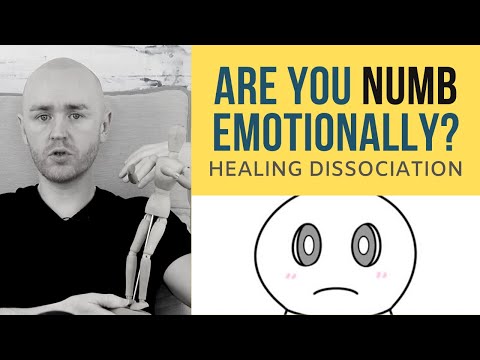
You know that feeling when you’re just … there? Like, everything’s happening around you, but you’re totally checked out? Yeah, that’s emotional numbness.
It doesn’t have to be a big dramatic moment to feel it. Sometimes it’s like walking through life with cotton in your ears and fog in your brain. You might look happy on the outside but feel like a shell inside.
I remember a friend once told me she was at a party, laughing and chatting, but deep down she felt like she was watching it all from a distance. It’s really wild how you can be surrounded by people and still feel so alone, right?
That silence inside can be pretty deafening. So let’s talk about this whole emotional numbness thing—what it is, why it happens, and how to start feeling again.
Understanding Emotional Numbness: A Deep Dive into Trauma Responses
Emotional numbness can feel like floating in a cloud, where everything around you seems muted. You might go through the motions of life, but inside, there’s a sense of detachment. This experience often pops up as a response to trauma. It’s not just you; many people have been there too.
So, what is emotional numbness? Well, basically it’s when you feel disconnected from your feelings. You might not cry at sad movies or get excited about things that used to make you happy. It’s like your heart hits a mute button.
How does trauma play into this? Trauma can be anything from losing someone close to facing serious difficulties in life—like abuse or an accident. When such overwhelming experiences happen, your brain tries to protect itself. And one way it does this is by shutting down emotions, which can feel sort of like putting on an emotional armor.
You know that feeling when you’re watching a movie but can’t connect with the characters? That’s similar to how emotional numbness works. You’re aware of feelings happening around you but have trouble letting them in.
Common signs of emotional numbness include:
Sometimes it seems easier not to feel anything at all rather than face the painful stuff head-on. Imagine sitting at a table with friends who are laughing and joking, but instead of joining in, you’re just staring blankly at your plate; that isolation can be really tough.
The thing is, emotional numbness doesn’t just go away on its own. If left unchecked, it can lead to more intense issues down the road—like depression or anxiety. It’s important to recognize it as part of a larger picture.
Now let’s talk about ways to work through this experience. Therapeutic approaches, such as talk therapy or cognitive-behavioral therapy (CBT), can help reconnect those feelings slowly but surely. A therapist can guide you through unpacking emotions that might feel scary right now.
Also, mindfulness practices like meditation may help bridge that gap between awareness and feeling again. You could try simple breathing exercises or even just taking moments throughout your day to notice what’s happening inside—like how your body feels when you’re stressed versus relaxed.
Just remember: healing takes time and it’s okay if progress feels slow sometimes; be gentle with yourself! Reconnecting with those emotions might seem daunting but it’s also the key to moving forward after trauma. You’re not alone on this journey—so many are navigating these choppy waters too!
Reconnecting with Yourself: Effective Strategies to Overcome Emotional Disconnection
Reconnecting with yourself can feel like a tall order, especially if you’ve been tossed around by emotional numbness. Seriously, that feeling of being shut off from your emotions can be tough, right? But there are ways to navigate through this silence and start feeling alive again. So, let’s break down some effective strategies that might just help you out.
1. Acknowledge Your Feelings
The first step is simply recognizing what you’re going through. It’s surprising how many people try to shove their feelings aside, thinking they’ll go away on their own. Trust me; they don’t.
Ask questions like “How am I really feeling?” or “What’s bothering me?” It might seem uncomfortable, but facing those emotions is crucial.
2. Journal Your Thoughts
Writing things down can be super therapeutic. When emotions are swirling around in your head, it can feel chaotic; getting them out on paper helps clarify things.
Don’t worry about grammar or structure; just let it flow! You’ll probably find patterns in what you write and maybe even uncover feelings you didn’t realize were there.
3. Mindfulness and Meditation
Taking a few moments to breathe deeply and focus can ground you like nothing else. Mindfulness practices encourage you to be present in the moment without judgment.
If thoughts wander, gently bring your focus back to your breath—no big deal.
4. Physical Activity
Sometimes emotions get stuck in our bodies, right? Engaging in physical activity—like going for a walk or dancing—can release that pent-up energy and help shake off the numbness.
5. Connect with Nature
Nature has this magical effect on our minds and bodies! Getting outside for fresh air breaks the cycle of isolation that often accompanies emotional disconnection.
6. Reach Out to Others
Connecting with friends or family can pull you out of that isolation bubble too.
The key here is surrounding yourself with supportive people who understand what you’re going through.
7. Seek Professional Help
This might feel like a big step, but talking to someone trained can provide insights that are hard to see on your own.
It’s okay not to go through this alone!
So yeah, reconnecting with yourself isn’t always easy but totally doable! Remember that it’s okay if progress feels slow; every little step counts when trying to overcome emotional disconnection. Just keep experimenting until you find what clicks for ya! You’re not alone in this journey!
Understanding Emotional Numbness: Is It a Hidden Danger for Your Mental Health?
Emotional numbness is that strange feeling when you’re just… there. You might look fine on the outside, laughing with friends or doing your daily routine, but inside? It’s like a blank slate. It can make life feel pretty dull and disconnected. It’s more common than you might think and can be a way your mind protects itself from overwhelming emotions.
Picture this: Let’s say you just went through a tough breakup. Instead of feeling hurt or angry, you find yourself saying things like “I’m fine” while carrying on with life as if nothing has happened. You might even feel a bit relieved because it seems easier not to feel anything at all. But that relief is often temporary.
So, what causes emotional numbness? There are a few key players here:
- Trauma: If you’ve experienced something really distressing—like losing a loved one or being in an accident—your brain might push those feelings away as a survival instinct.
- Depression: This condition can suck the joy out of life and leave you feeling flat, almost like you’re watching your own life from the sidelines.
- Anxiety: Sometimes, when you’re constantly on edge, feeling anything at all can seem overwhelming, leading to this weird kind of shutdown.
- Substance use: Alcohol or drugs can numb emotions in the moment but often worsen things over time.
Now here’s where it gets tricky: emotional numbness isn’t always bad. It can be protective in some cases; it helps shield you from pain when stuff gets heavy. But if it sticks around too long? That’s where danger creeps in. If you’re not allowing yourself to feel sadness or anger, you could also miss out on joy and excitement.
But how do you know if what you’re feeling is emotional numbness versus just being low-energy or anxious? Here are some signs:
- You’ve lost interest in activities you used to enjoy.
- You struggle to connect with others emotionally.
- Your reactions seem muted—you might laugh but don’t really feel it.
- You avoid situations that remind you of strong feelings.
Let’s think about that for a second: imagine missing out on family dinners because they’re too “overwhelming.” Or avoiding friends because seeing them makes your heart ache. Sure, it feels easier to disconnect now, but this could lead to loneliness later.
Over time, prolonged emotional numbness can mess with your mental health big time. It may lead to deeper issues like depression or anxiety disorders if left unchecked. That feeling of isolation grows stronger too—and nobody wants that.
Okay, so what do we do about this whole thing? A big step is recognizing when you’re feeling numb and taking action.
One thing people find helpful is talking to someone—a friend or professional—about these feelings. Therapy isn’t just for crises; it’s also fantastic for figuring stuff out before it spirals. Plus, practicing mindfulness techniques—like meditation—might help connect you back with your feelings instead of running away from them.
Another cool idea? Journaling! Seriously! Writing down what you’re experiencing—even if it’s bland—can slowly bring color back into those emotions.
In short, emotional numbness isn’t just «whatever.» It’s important to pay attention because ignoring it could spell trouble down the road for both mental health and relationships. So next time you’re scrolling through social media and see everyone else living their best lives while yours feels muted, just remember: acknowledging how you’re truly feeling is the first step toward feeling better again!
Emotional numbness can feel like walking through a fog. Everything looks blurred, and you can’t really connect with what’s happening around you. It’s that weird feeling where life keeps moving, but you’re just… not there. You know?
Not long ago, a friend told me about this dark patch he was going through. He loves music, but during that time, he couldn’t even listen to his favorite songs. Nothing resonated with him anymore. It was like the colors had faded and all he had were shades of gray. That’s when I realized how terrifying emotional numbness can be. It’s like a big wall that just cuts off your feelings—joy, sadness, excitement—everything feels muted.
You might find yourself smiling on the outside while inside it’s just crickets chirping in an empty room. You’re sitting at a party, laughing with friends, but somehow it feels hollow. That disconnect can be super confusing. And for some folks, they might not even recognize what’s happening until someone gently nudges them to pay attention to their feelings.
So why does this happen? Well, sometimes it’s our brain’s way of protecting us from pain or overwhelming stress. Think of it as our internal safety mechanism kicking in when things get too heavy to handle. But here’s the kicker: while it helps in the moment, long-term emotional numbness can lead to feeling isolated or struggling even more with deeper issues.
It’s important to acknowledge this silence.. As difficult as it is to sit with those quiet feelings—or lack thereof—you’ve got to remember that it doesn’t define who you are. Reaching out for support is key! Talking about what you’re feeling (or not feeling) can be the first step toward breaking down those walls.
Finding ways to reconnect with your emotions doesn’t have to be grand either—sometimes it’s simply taking a walk outside or trying out new hobbies that excite you again. Maybe watching a movie that makes you chuckle or hitting up your favorite coffee shop can spark something within.
But here’s the thing: everyone experiences emotional numbness differently; some days are better than others. It could take time before things start feeling vibrant again! Just know that you’re not alone in this journey—many stories seem silent at first but often find their way back into color and sound eventually.
So if you’re feeling stuck behind that wall today, hang in there! You might not see the light just yet, but it’s okay to seek help and take baby steps forward—there’s a whole rainbow waiting once you navigate through the fog.