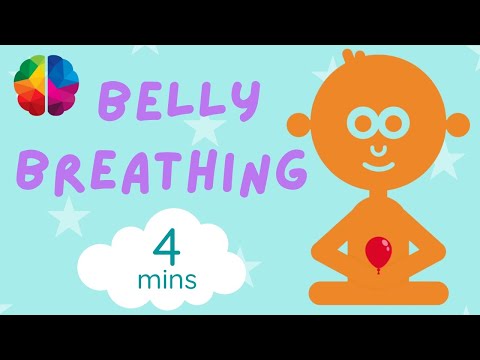
Hey there! Let’s talk about something super simple but seriously effective for stress relief—belly breathing.
You know those moments when life feels like a runaway train? Yeah, we’ve all been there. It’s like you’re juggling a million things and can’t catch your breath.
Well, belly breathing is one of those little tools that can help you find a moment of calm. It’s not complicated at all, just a few deep breaths to give your body and mind a break.
Trust me, it can really make a difference. So, grab a cozy spot and let’s explore how this simple practice can help bring some balance back into your life!
Discover the Best Breathing Patterns to Alleviate Anxiety Effectively
Okay, let’s chat about breathing patterns and how they can seriously assist with anxiety, specifically that good old belly breathing. It’s like having a little magic trick up your sleeve when stress sneaks up on you!
Belly breathing, also known as diaphragmatic breathing, is all about using your diaphragm effectively. You know that big muscle at the base of your lungs? When you breathe deeply using it, you get more air in and actually help calm your nervous system. Sounds pretty cool, right?
Now, anxiety can make you feel like you’re stuck in a tight space. Your chest feels tight; maybe you start to breathe rapidly. That’s when belly breathing comes into play. This technique helps slow down your heart rate and lowers that pesky cortisol level—the stress hormone.
- How to Belly Breathe: Just take a moment to sit or lie down comfortably. Place one hand on your belly and the other on your chest.
- Inhale Slowly: Breathe in through your nose for about four seconds, allowing your belly to rise while keeping your chest relatively still.
- Exhale Gently: Let it out slowly through pursed lips for around six seconds, feeling that belly fall.
This whole process can be done anytime—seriously! In the middle of a stressful meeting or when you feel overwhelmed at home. Just focusing on that rhythm encourages relaxation.
I remember a friend who struggled with panic attacks during her job interviews. It was like clockwork: she’d start feeling anxious, and then BAM! Panic would hit. One day I suggested she try belly breathing before her next interview. She was skeptical but gave it a shot—she managed to keep her cool by just focusing on her breath whenever anxiety tried to creep in.
The results? She felt more centered and calm during interviews! That’s not just anecdotal; studies show this method can work wonders for many people experiencing anxiety.
Another neat thing about this technique is its impact on emotional balance. Breathing deeply helps connect the mind and body better, which is super helpful for processing emotions without feeling overwhelmed by them.
- Ditching Negative Thoughts: When you focus on breath patterns, it interrupts those anxious thoughts swirling around.
- Cultivating Mindfulness: Each deep breath grounds you in the present moment—less ruminating about yesterday or worrying about tomorrow!
This technique isn’t just an instant fix but rather a skill that needs practice over time, kind of like training at the gym but with less sweat involved! Try setting aside five minutes every day to practice; even greeting the day with deep breaths can set a positive tone.
If you’ve been battling anxiety or just need some emotional balance in life, give belly breathing a whirl! You never know—this simple act of tuning into your breath might just be what helps you detach from stressors in daily life.
Your mental well-being deserves all the attention it can get—and sometimes all it takes is learning how to breathe a little better!
Discover the Best Pranayama Techniques for a Calmer Nervous System
So, you’re looking for some ways to chill out your nervous system? That’s awesome. One of the best techniques you can try is Pranayama, or breath control. Seriously, it’s like a secret weapon against stress. And one of the simplest forms, “belly breathing,” can make a huge difference in how you feel.
When we get stressed or anxious, our breathing often becomes shallow and quick. That’s not cool because it sends signals to our body that things aren’t okay. Belly breathing, on the other hand, helps you slow down and breathe deeply into your diaphragm instead of just your chest.
Here are a few Pranayama techniques that can help you get there:
So why does this work? When you’re focusing on deep breathing like this, you’re sending a strong message to your body: “Hey there, it’s time to relax!” Your heart rate slows down; tension in muscles eases up—just like that friend who always knows how to calm you down when you’re freaking out.
Let’s take a quick moment to reflect on something emotional here: Picture yourself after a long day at work when everything seems overwhelming – deadlines are piling up like dirty dishes in the sink. You sit down quietly somewhere cozy and start with belly breathing… Slowly but surely, you notice that tightness in your chest loosening up. It feels like letting go of an old backpack filled with rocks you’ve been carrying around forever.
The thing is, regular practice of these techniques can lead to real changes over time too—like being more aware of how stress affects you day-to-day or even sleeping better at night.
So give these Pranayama techniques a shot! Remember: It’s all about taking those moments to breathe deeply and reconnect with yourself.
Understanding Psychosomatic Breathing Problems: Causes, Symptoms, and Solutions
When it comes to psychosomatic breathing problems, things can get pretty tricky. So, what’s the deal? Well, these are issues where your breathing feels off, but there isn’t any physical condition causing it. It’s more like your mind and body are having a chat, and sometimes they don’t agree.
Like, if you’re feeling super stressed about work or a big life change, your body might respond in ways that feel really unsettling. You may notice you’re taking shallow breaths or find yourself holding your breath without realizing it. And that can make everything feel worse, you know?
So, what are the causes? Here’s a breakdown:
- Stress: When you’re overwhelmed, your body goes into fight-or-flight mode. This response can mess with your breathing.
- Anxiety: Constant worry can tighten up your chest and make breathing feel labored.
- Panic Attacks: These guys can hit hard and fast, leading to hyperventilation.
- Trauma: Past experiences may cause tension in the body that shows up as breathing issues.
Now onto the symptoms. You might be experiencing some of these:
- Tightness in the chest
- Sensation of not getting enough air
- Dizziness or lightheadedness
- Persistent cough or throat clearing
This is where things start to get a bit emotional too. I remember talking to a friend who went through a rough patch after losing their job. They started noticing they were always short of breath during interviews or even casual chats. It felt real—like something was physically wrong—but deep down it stemmed from sheer anxiety.
So how do you deal with this? Let’s look at some **solutions** you might find helpful:
- Belly Breathing: This technique helps ground you. It involves inhaling deeply through your nose so that your belly rises, and then exhaling slowly through your mouth.
- Meditation: Setting aside just a few minutes daily for mindfulness can work wonders for calming the mind and improving breath control.
- Cognitive Behavioral Therapy (CBT): This approach helps you challenge negative thought patterns that lead to anxiety and stress.
- Regular Exercise: Keeping active helps not only with physical health but also reduces stress hormones that impact breathing?
The thing is, addressing psychosomatic issues often requires looking at both mental and emotional parts of yourself. If you’re feeling overwhelmed by it all or if symptoms persist, reaching out for professional help can be super beneficial too.
Take care of yourself! Your breath is way more than just air; it’s like an anchor when life gets stormy.
You know, stress can really mess with your head and your body. It’s like carrying around a heavy backpack that you just can’t take off. Some days, even small things feel like mountains. But there’s this simple thing called belly breathing that can help lighten that load just a bit.
So let’s break it down. Belly breathing, or diaphragmatic breathing as the fancy folks call it, just means using your belly to take deep breaths instead of just filling up your chest. It sounds super easy, right? But the thing is, it’s way more effective than you’d think. When you breathe from your belly, it sends a message to your brain that it’s time to chill out. Seriously—your body gets the clue that it can relax.
I remember a time when I was feeling totally overwhelmed with work and life stuff hitting me all at once. I was anxious and couldn’t focus on anything. A friend suggested I give this belly breathing a try when I felt stressed out. At first, I was skeptical—like how could breathing differently help? But honestly, after just a few minutes of focusing on taking deep breaths in and out through my belly, I felt a shift. My thoughts slowed down, and my heart stopped racing so much.
It’s like flipping a switch from chaos to calm. By allowing the air to fill my belly rather than just my chest, I found this grounding sense of control over my emotions. It’s not about fixing everything immediately but creating space in my mind to better handle what came next.
And here’s the kicker: you don’t need any special equipment or even a lot of time to do it! You can practice while sitting at your desk or laying on the floor in your living room—no big deal! Plus, incorporating this into your daily routine—you know—when you’re feeling stressed or even when you’re not can help build emotional balance over time.
So basically, if you’re feeling overwhelmed by life’s little stresses or the big ones for that matter, try giving belly breathing a shot next time you need to hit reset. Just remember: it’s about taking those deep breaths slowly and letting yourself find some peace amid the noise of everyday life. And hey—it might just change how you handle stress little by little!