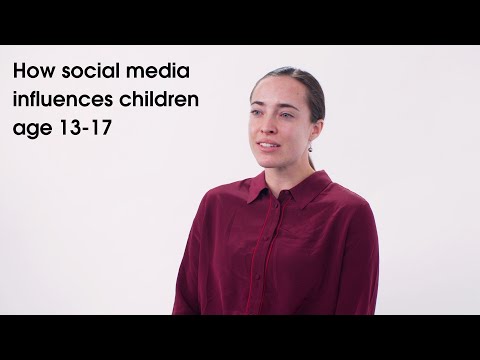
Hey! So, you know how scrolling through Instagram or Facebook can feel kind of like a guilty pleasure? I mean, sometimes it’s just fun, right? But believe it or not, social media isn’t just about cute cat videos and influencer selfies.
Seriously! It can actually have some cool perks for your mental wellbeing. Like, connecting with people who get you? That’s a big deal.
Imagine finding a whole community that shares your interests or struggles. Pretty awesome, huh? It’s like having your friends right there in your pocket!
We usually hear the negative stuff about social media—like how it can mess with our heads—but let’s flip the script for a minute. There are some real positives out there we should talk about!
Exploring the Negative Impact of Social Media on Mental Health: Key Insights and Solutions
Sure! Social media can be a mixed bag, huh? On one hand, it connects us to friends and family. But on the other hand, it can mess with our mental health in ways we usually don’t realize. Let’s break down some of the negative impacts and what we can do about them.
Comparison Culture is one major issue. You’re scrolling through your feed and bam! You see someone living their best life—perfect vacations, flawless bodies, you name it. It’s hard not to feel like you’re missing out or falling short somehow. You might notice that your mood dips after seeing those curated posts. Seriously, many studies find that this kind of comparison can lead to anxiety and depression.
Another point to think about is Cyberbullying. I mean, online interactions can get pretty harsh. People hide behind screens and say things they’d never say in person. This kind of negative interaction can really affect self-esteem and create a constant state of worry, making you dread checking your notifications.
Then there’s the whole addiction aspect of social media. You know how you might sit down to check your messages and then suddenly hours have passed? Yeah, that happens because these platforms are designed to keep you hooked. The dopamine rush from likes or shares makes it super easy to lose track of time, impacting your sleep and overall well-being.
And let’s not forget about FOMO or the “Fear of Missing Out.” It feels like everyone else is having fun without you when you see those party pics or events posted online. This can make you feel lonely, even when you’re surrounded by people who care about you.
Now, moving on to some solutions because it’s not all doom and gloom! Here are a few ideas:
- Set Time Limits: Try using apps that monitor how much time you spend on social media. Cutting back a little can help clear your mind.
- Curate Your Feed: Follow people who inspire positivity rather than comparison. Unfollow those who bring negativity into your life.
- Engage Mindfully: Instead of just scrolling mindlessly, try engaging with content in a positive way—like commenting genuinely or sharing uplifting posts.
- Create Technology-Free Zones: Designate spaces where phones aren’t allowed (like at dinner). This allows for more meaningful in-person connections.
Honestly, prioritizing mental health means recognizing both the good and bad sides of social media. You’re not alone in feeling overwhelmed by it all; tons of folks do too! Balancing usage is key here—just being aware can make a huge difference in keeping yourself mentally healthy while still staying connected with the world around you!
10 Surprising Benefits of Social Media for Mental Health and Well-Being
Social media’s often painted as a villain, right? It gets a bad rap when it comes to mental health, but there’s actually some good stuff happening too! So, let’s check out some surprising benefits that social media can bring to your mental well-being. You might find yourself nodding along.
- Connection with Others: Social media helps you connect with people you might not see every day. Whether it’s family or old friends, keeping in touch can make you feel loved and supported.
- Finding Communities: There are endless groups out there based on interests, like hobbies or health issues. Joining these communities can provide validation and understanding for what you’re going through.
- Sharing Your Story: When you share your experiences online, it can help lighten the load. You might feel less alone when others relate to your struggles, which is a big relief!
- A Way to Express Yourself: Whether it’s through art, writing, or video blogs, social media gives you an outlet to express your feelings and thoughts. Getting creative can be super therapeutic!
- Access to Mental Health Resources: Many mental health organizations have a strong social media presence. They share articles, videos, and helplines that can help if you’re feeling stuck.
- Encouragement and Support: Positive comments and likes from followers can boost your mood. Sometimes just knowing that someone appreciates what you’ve put out there makes a big difference.
- Awareness of Mental Health Issues: Social media raises awareness about different mental health conditions. This knowledge helps reduce stigma and promotes understanding—not just for you but for everyone!
- Motivation for Healthy Habits: Following accounts focused on wellness—like fitness tips or mindfulness—can inspire you to take better care of yourself. Little nudges here and there really add up!
- A Platform for Advocacy: If you’re passionate about causes related to mental health, social media is a great place for activism. Being part of something bigger than yourself can be empowering.
- A Safe Space During Tough Times: On darker days when leaving the house feels like climbing Everest, social media lets you socially engage without actually going anywhere. It helps keep isolation at bay!
So yeah, while it’s easy to focus on the negatives of social media—like comparisons and negativity—there’s another side to the story too! It all comes down to how you decide to use it. Just remember: balance is key!
How Social Media Enhances Student Mental Health: Exploring the Positive Effects
Social media can be a bit of a mixed bag when it comes to mental health. But let’s focus on the upside—there are actually several ways it can boost student mental well-being. You know, like how you find comfort in connecting with others who get what you’re going through? That’s one biggie.
Building Connections
One awesome thing about social media is that it helps students build connections. You might be in a new city or just feeling lonely on campus. Platforms like Instagram, Twitter, or TikTok allow you to meet folks with similar interests or struggles. This sense of community can really lift your spirits.
Access to Resources
Then, there’s the whole access to information thing. Seriously, with just a few taps, you can find countless mental health resources and supportive content. Whether it’s mindfulness tips on Instagram or mental health podcasts shared on Twitter, students now have info right at their fingertips.
Sharing Experiences
Ever notice how people share their journeys online? That can be super powerful. When students see others talking openly about struggles—like anxiety or depression—it normalizes those feelings. It reminds you that you’re not alone out there; there’s comfort in knowing others are in the same boat.
Coping Strategies
Some platforms even offer creative outlets for coping with stress. You might come across posts featuring art therapy techniques, guided meditations, or even uplifting quotes that give you that little nudge to push through tough days. You follow me?
Encouragement and Support
Supportive comments and messages from friends can do wonders for your mood too! A simple “You got this!” from a classmate can make all the difference when you’re feeling overwhelmed by exams or projects.
Diversity of Perspectives
Another cool part is exposure to diverse perspectives. Social media gives students a glimpse into other cultures and lifestyles which broadens understanding and empathy—key ingredients for emotional intelligence and resilience.
In short, while social media has its drawbacks (and we can’t ignore those), it also offers some pretty solid tools for enhancing student mental health if used wisely. So remember to check in with yourself every now and then—and balance your online time with real-world connections too!
So, let’s chat about social media and how it can actually help with mental wellbeing. You know, it often gets a bad rap for making people feel anxious or inadequate. But there’s another side to the story that’s worth talking about.
For starters, think about connections. One of my friends moved across the country last year. At first, we worried about losing touch. But thanks to social media, we’re actually closer than ever. We share daily updates, funny memes that crack us up, and even support each other through tough times—all from thousands of miles away! It’s like having a front-row seat to each other’s lives, which feels pretty darn good.
And then there’s that whole community vibe. You can find groups on almost any topic nowadays—mental health support, hobbies, or just people being themselves in all their glorious weirdness. When you join those spaces, it can be such a relief to know you’re not alone in your struggles or interests. It’s nice to hear someone say exactly what you’re feeling or thinking; it makes you feel validated and connected.
Plus, let’s not forget the inspiration factor! I mean, scrolling through feeds can sometimes feel overwhelming—and yeah, we all have our moments of comparison—but there are tons of uplifting accounts out there too! From wellness tips to stories of resilience that just light up your day—it’s like having a personal cheer squad.
Of course, it’s all about balance and being mindful of how much time you spend online. You don’t want those endless scrolls to take over your life or mess with your mental space! But when used mindfully? Social media can be a powerful tool for connection and positivity.
So next time you’re picking up your phone for another scroll session, maybe take a moment to think about how it’s affecting you. And remember: it can be both good and bad; just finding that sweet spot is key!