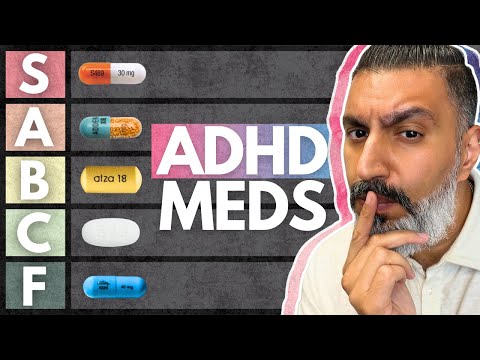
You know, ADHD isn’t just a kid thing. Seriously, it can hit women hard too—especially when it comes to adulting.
So many of us are juggling careers, families, and that never-ending to-do list. It can feel like you’re just barely keeping your head above water. I mean, who hasn’t lost their keys for the millionth time or struggled to focus during a meeting?
And let’s get real: finding the right help isn’t always easy. Medications can be a big part of the puzzle, but choosing the right one? Well, that’s where things get tricky.
I want to dive into what works best for women with ADHD and how those meds can change your game. Let’s chat about this!
Top Medications for Managing ADHD and Depression: A Comprehensive Guide
Talking about ADHD and depression together is pretty common, especially for women. You see, these two conditions often play off each other, making it tricky to sort through the haze. Now, managing both can involve different treatments, and medication is a big piece of that puzzle.
First off, let’s chat about ADHD medications. There are mainly two types: stimulants and non-stimulants.
Stimulants are usually the first line of defense. They kick in pretty quickly and might help you feel more focused and less restless.
- Methylphenidate (like Ritalin or Concerta): This one’s a classic! It helps increase attention and decrease impulsivity.
- Amphetamine-based medications (like Adderall or Vyvanse): These also enhance focus but can sometimes have a stronger punch.
Now, non-stimulant options like Atomoxetine (Strattera) can be useful if stimulants aren’t your jam or they cause side effects like insomnia or anxiety.
Moving on to depression meds—this can get kind of complicated because everyone’s brain chemistry is different. You want something that lifts your mood without making ADHD symptoms worse.
Antidepressants typically used include:
- Selective Serotonin Reuptake Inhibitors (SSRIs): These are often the go-to meds for depression. Examples include fluoxetine (Prozac) and sertraline (Zoloft). They help balance serotonin levels which can boost your mood.
- SNRIs (Serotonin-Norepinephrine Reuptake Inhibitors): Venlafaxine (Effexor) falls into this category. It targets both serotonin and norepinephrine which might help with energy levels.
- Bupropion (Wellbutrin): This one’s interesting because it’s stimulating so it may not worsen ADHD symptoms while also helping with depression.
But here’s the thing—finding the right med isn’t always smooth sailing. It’s a journey filled with trial and error sometimes.
For example, let me tell you about Sarah—a friend who struggled with ADHD and depression for years. She started with an amphetamine but felt jittery all day long. After chatting with her doc, she switched to Atomoxetine along with an SSRI, which helped her manage both conditions better without those pesky side effects.
In the end, treatment needs to be tailored specifically for you! Working closely with your healthcare provider is key to figuring out what combo will best support your mental health while keeping everything balanced.
Remember, medication isn’t the only tool in your toolbox either! Therapy and lifestyle changes can also make a huge difference alongside any prescriptions you might take. So stay connected with your support system; finding what works for you could take some time—but it’ll totally be worth it!
Understanding the 24-Hour Rule for ADHD: A Guide to Managing Impulsivity and Decision-Making
Understanding the 24-Hour Rule for ADHD
Alright, so let’s talk about the 24-hour rule when it comes to managing impulsivity and decision-making in people with ADHD. This isn’t just some random tip; it’s a strategy that can really help keep those impulsive decisions in check.
So, what’s the deal with this rule? Basically, it encourages you to wait a whole day before making any decisions that feel rash or impulsive. It sounds simple, right? But it can be super effective. Here’s why: when you have ADHD, your brain kinda skips the whole “think before you act” step sometimes. But giving yourself a full 24 hours helps slow things down a bit.
Here’s how it works:
- You hit a moment where you want to make an impulsive choice—like buying something expensive or saying something you might regret.
The cool part is that this little pause can really change your perspective. You might realize later that the urge was more about excitement than need. Or maybe after sleeping on it, you’ve found better options—or even decided that it’s just not worth it.
Let me share a quick story to illustrate this. A friend of mine with ADHD once saw a flash sale on her favorite gadget and immediately wanted to buy it without thinking twice. Instead of hitting “buy,” she decided to use the 24-hour rule. After giving herself time to think about it—while also distracting herself with other activities—she realized that she didn’t actually need it; her current gear was still working fine! That saved her some cash and also kept her from adding more clutter at home.
But what if you’re struggling with sticking to this rule? Well, sometimes having an accountability buddy helps—a friend or family member who knows you’re working on this can gently remind you to hold off for those 24 hours.
Now let’s talk about ADHD medications, particularly for women. You know how hormones can affect mood and behavior? Well, women often experience different symptoms or intensity due to hormonal fluctuations during their cycle. Some studies suggest that certain medications may work better for women at specific times in their cycle.
If you’re interested in medication as part of your treatment plan, make sure to chat with your healthcare provider about options tailored for your unique situation and needs.
To wrap things up: using the 24-hour rule could seriously lead you toward better decisions and less regret if you’ve got ADHD tendencies steering the ship sometimes! It’s all about taking a breather before acting on those impulses—and hopefully avoiding some of life’s little mishaps along the way!
Exploring ADHD Medications with Minimal Side Effects for Women: A Comprehensive Guide
So, let’s chat about ADHD medications, specifically for women, and how they can be effective with minimal side effects. It’s a bit of a complex topic, but here’s the scoop in straightforward terms.
When it comes to ADHD, many people think of just the hyperactive kids bouncing off the walls. But adults and women can struggle with it too. It’s not just about being distracted; it can make daily life feel overwhelming. The good news? There are medications out there that can help manage symptoms without knocking you out with side effects.
First off, let’s mention stimulants. These are often the go-to for treating ADHD. Medications like **Adderall** or **Ritalin** are well-known examples. They work by increasing certain chemicals in the brain that help with focus and impulse control. But here’s where things get tricky: they can sometimes cause insomnia, loss of appetite, or even anxiety.
Now, if you’re concerned about those potential side effects – and who wouldn’t be? – there are non-stimulant options. Medications such as **Strattera** (atomoxetine) fall into this category. They tend to have fewer immediate side effects compared to stimulants, though they might take a little longer to kick in. Some women prefer these because they don’t have the same potential for abuse that stimulants do.
Another option is **Wellbutrin** (bupropion), which is often used as an antidepressant but has shown effectiveness for ADHD too. Plus, it comes with a lower risk of weight gain and sexual side effects compared to some other treatments.
But here’s the thing: every person reacts differently! It’s kind of like trying on shoes—you might think one style is perfect until you actually wear it and realize it pinches your toes (not fun). So working closely with your healthcare provider is key here.
One thing that many women find helpful when exploring their options is looking into hormonal factors. Hormonal changes during menstrual cycles or menopause can seem to affect ADHD symptoms or medication effectiveness. Some women notice their symptoms flare up around their periods. This means timing your medication or choosing specific types could make a difference.
Also, consider lifestyle factors. Things like sleep patterns, diet, and exercise play huge roles in managing ADHD symptoms too. Sometimes adjusting those areas alongside meds helps improve overall well-being and reduces reliance on medication alone.
Lastly, remember that while medications can be super helpful for managing ADHD symptoms, therapy options like cognitive behavioral therapy (CBT) are also worth exploring—especially if meds aren’t giving you exactly what you need.
So yeah! That’s the gist of ADHD medications for women looking for something effective but easier on side effects! Just keep in mind that finding the right fit takes time and patience—like figuring out your favorite coffee order or getting used to a new haircut!
You know, when people talk about ADHD medications, they often think about kids or guys, but women with ADHD face their own unique challenges. It’s like we’re living in this world that doesn’t always recognize our experience. So, let’s chat about this a bit.
I remember a friend of mine, Sarah. She was always super organized in school but felt like she was constantly swimming upstream with her thoughts. Once she hit her twenties and entered the workforce, it became tough to juggle everything—deadlines, social gatherings, and just the noise of life. After a bit of struggle and trial-and-error with different strategies and therapies, she finally decided to explore medications and see if that could help.
The thing is, the best ADHD meds for women can depend on so many factors—like your body chemistry and what symptoms you’re dealing with. Stimulants like Adderall or Ritalin are pretty common; they help boost focus by increasing dopamine levels. But then again, these can sometimes lead to side effects like anxiety or difficulty sleeping. And honestly? Women might experience these side effects differently due to hormonal fluctuations throughout their cycles.
For some women, non-stimulant options like Strattera can be a better fit—less intense but still effective for managing those pesky ADHD symptoms without the same jolt. I mean, finding the right medication feels a bit like trying on clothes; sometimes you need to sift through quite a few until you find one that feels just right.
It’s also super important to think about how these meds interact with other health issues or even other medications you’re taking because we all have our individual histories and experiences, you know? Like Sarah—a couple of months in on her medication plan and some therapy sessions later—she started feeling more grounded and engaged in her life. It wasn’t an overnight miracle or anything; it took time for her to adjust.
But here’s where it gets interesting: there’s not just one “best” choice out there for women. It really boils down to what works for you personally—your lifestyle, your cycle (literally), and your support system around you. It’s crucial that any decision regarding medication is made with your healthcare provider who understands the complexities involved—instead of just picking something off the shelf because it worked for someone else.
So yeah, talking openly about women’s experiences with ADHD medications kinda sheds light on this often overlooked area in mental health discussions. We’re all navigating this journey together; taking time to figure out what’s best for us is so important!