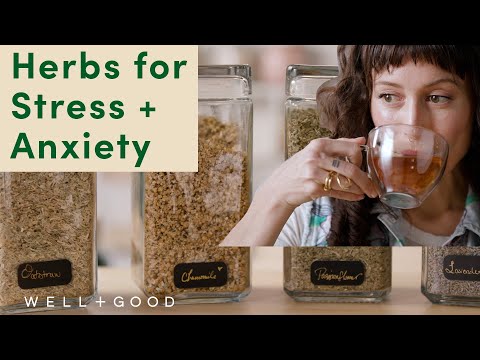
You know that feeling when your heart races for no reason? Or when you’re lying in bed, staring at the ceiling, caught in a whirlpool of thoughts? Yeah, anxiety can be such a mood killer.
But hey, we don’t have to just sit there and take it, right? There are actually some pretty cool natural remedies out there. Herbal supplements can be a game-changer for managing anxiety—like little green warriors fighting off those pesky nerves.
I stumbled upon this stuff myself when I was feeling super overwhelmed. Seriously, it was like a light bulb went off! So let’s chat about these herbs and see how they might help you find your chill. Sound good?
Top Natural Remedies for Anxiety: Discover the Strongest Solutions for Relief
Anxiety can feel like this heavy weight on your chest, right? Sometimes, finding a way to relieve that pressure feels impossible. While there are plenty of treatments available, you might be curious about those natural remedies floating around out there. So let’s chat about some herbal supplements that could help calm those racing thoughts.
Chamomile is one of the classics. Seriously, if you think about it, a warm cup of chamomile tea can be so soothing. Research has shown that chamomile may reduce anxiety symptoms and even help improve sleep quality. Imagine unwinding with a nice cup before bed—it’s like giving yourself a little hug.
Then there’s lavender. This isn’t just for fancy candles! Lavender oil aromatherapy has been linked to reduced anxiety levels. You could use it in a diffuser or even sprinkle it on your pillowcase. I remember once just sitting back with lavender oil wafting through the room—and it was like the day’s stress melted away.
How about passionflower? Sounds exotic, huh? Well, this herbal remedy seems to have some serious calming effects. Studies suggest that passionflower can help decrease anxiety without many side effects compared to conventional meds. Just picture having a little peace and quiet while tackling your daily grind.
Now let’s talk about ashwagandha. It’s an adaptogen, which is basically plants that help your body manage stress better. Some folks swear by it for balancing cortisol levels—cortisol being that pesky stress hormone we all know too well. You could take it as a supplement or in powder form mixed into your smoothie or oatmeal.
Don’t forget about valerian root. It’s known for its sedative properties and has been used for centuries to promote sleep and relaxation. If you’re feeling anxious at night when all the “what-ifs” start flying around in your head, valerian might just offer some relief.
And let’s not overlook good ol’ omega-3 fatty acids. These healthy fats are found in fish oil and are recognized for their brain-boosting benefits—like promoting mood stabilization! Including more fatty fish in your diet can be an easy way to feel better over time.
So yeah, while these natural remedies can provide some relief, they’re not magic pills. Seriously consider talking with someone who knows their stuff—like a healthcare professional—especially if you’re already on medication or dealing with chronic anxiety. Mixing herbs without advice might not always lead you down the best path.
In the end, everyone responds differently to different approaches. Be patient with yourself as you explore what works best for relieving anxiety naturally!
Top Herbal Remedies to Naturally Alleviate Anxiety and Depression
When it comes to dealing with anxiety and depression, some people look to nature for a little help. You know, there’s this whole world of herbal remedies that folks have been using for ages to ease the mind and lift the spirit. Let’s dive into some of the more popular options you might find interesting.
Chamomile is probably one of the most well-known calming herbs. Think about that cozy feeling you get when sipping chamomile tea before bed. It’s not just a bedtime habit; it has compounds that can reduce anxiety and promote relaxation. Some studies even suggest it might help with general anxiety disorder.
Then there’s Lavender. Who hasn’t caught a whiff of lavender and felt instantly chill? This flower isn’t just pretty; its oil has been found to have calming effects on both the mind and body. You could use it in aromatherapy or add some lavender essential oil to your bath for a soothing experience.
Now, let’s chat about St. John’s Wort. This herb has been used for centuries as a natural treatment for depression. It works by affecting neurotransmitters in your brain, which are like tiny messengers that help regulate mood. Just keep in mind, it can interact with other medications, so checking in with a healthcare professional is always key before trying it out.
Another one worth mentioning is Kava. If you’re looking for something that really packs a punch when it comes to anxiety relief, kava might be your go-to. It’s derived from the root of a plant found in the South Pacific and has been shown to help reduce feelings of stress without making you feel super drowsy.
Passionflower is also gaining attention lately. Some research suggests this herb can be effective at alleviating anxiety symptoms by boosting levels of gamma-aminobutyric acid (GABA), which helps calm anxious brain activity. You’d usually find it in teas or supplements.
And let’s not forget about Rhodiola Rosea. Often called «golden root,» this adaptogen helps your body cope with stress. It can boost your mood and energy levels, making it easier to deal with all those little day-to-day anxieties.
Here are some important things to consider:
- Consultation: Always chat with your doctor before starting any herbal remedies.
- Doses vary: What works for one person might not work for another, so finding the right amount is crucial.
- Quality matters: Stick to reputable sources when choosing herbal supplements.
So yeah, while these herbs could offer some relief from anxiety and depression, they’re not magic cures. They work best alongside other treatments like therapy or medication if needed. Plus, everyone reacts differently—so what calms one person might not do much for another. Just remember: being open about how you’re feeling and exploring various options is key!
Top Supplements to Reduce Stress and Anxiety: Your Guide to Natural Relief
Managing stress and anxiety can be a real challenge, right? If you’re looking for some natural ways to help ease those feelings, you might want to consider some herbal supplements. Let’s dive into a few popular options that are often mentioned when we talk about natural relief.
1. Ashwagandha
This one’s got a cool name and a good reputation! Ashwagandha is an adaptogen, meaning it helps your body cope with stress. People have reported feeling calmer and more balanced when they take it regularly. It’s often used in traditional Indian medicine, and some studies suggest it can actually lower cortisol levels, which is the hormone that spikes during stressful times.
2. Chamomile
You’ve probably heard of chamomile tea, right? Well, it’s not just for cozy nights in. Chamomile has been used for centuries as a calmative. Some folks find that sipping on chamomile tea or taking its extract can help reduce anxiety and improve sleep quality. Perfect combo if you need to wind down!
3. Lavender
Ahh, the soothing scent of lavender! This beautiful flower isn’t just for fancy sachets. Lavender oil has been shown to help with anxiety, especially when inhaled or used in aromatherapy. Some studies suggest that lavender capsules might also help reduce symptoms of generalized anxiety disorder.
4. Passionflower
This one might sound exotic, but passionflower is well-loved for its calming properties. People often use it as a natural remedy for anxiety and insomnia. Some research indicates that it may increase levels of gamma-aminobutyric acid (GABA) in the brain—a neurotransmitter that helps keep you feeling calm.
5. Valerian Root
If you’re dealing with anxiety at bedtime, valerian root could be your new best friend! It’s known for its sedative effects and may improve sleep quality without making you feel groggy the next day. Often found in supplement form or as tea, it’s definitely worth checking out if sleep is part of your stress puzzle.
Now here’s the thing: while these supplements have potential benefits, everyone reacts differently to them! That’s super important to remember—what works wonders for one person might not do much at all for another.
Also, don’t forget about talking to a healthcare professional before jumping into any new supplement routine—especially if you’re already taking other medications or have existing health conditions.
So yeah, while herbal supplements can offer some relief from stress and anxiety naturally, they’re not a magic fix-all solution. Think of them like tools in your toolbox; they work best alongside other strategies like therapy, exercise, and good old self-care practices.
In short, give these natural remedies a whirl if you’re curious! Just keep an open mind and listen to what your body tells you as you explore different options out there.
You know how anxiety can sometimes feel like this heavy weight on your chest? I mean, one moment you’re just chillin’, and the next you’re spiraling into thoughts that feel like they’re racing at a hundred miles per hour. It’s no fun, that’s for sure.
So, let’s talk about something a bit different when it comes to handling anxiety: natural remedies. Herbal supplements have been around forever and some people swear by them. I have a friend who went through a tough time and was always anxious about everything. She tried various things, from therapy to meditation, but then she stumbled upon herbal remedies like chamomile tea and ashwagandha. And guess what? They made a noticeable difference for her!
Chamomile is pretty popular for its calming effects; you’ve probably heard of it before. Just sipping on that warm tea can be so soothing after a long day—it kind of wraps you up in comfort, if you know what I mean. And ashwagandha? Well, it’s known as an adaptogen, which means it helps your body manage stress better. My friend started taking it regularly and said she felt more grounded; like she could handle life’s little bumps without losing her cool.
Of course, herbal supplements aren’t a magic bullet or anything. It’s not like you just pop one of these pills or sip that tea and all your worries vanish into thin air! But they can be part of a bigger picture when managing anxiety alongside other practices like therapy or mindfulness techniques.
But here’s the thing—you should definitely chat with a doctor or knowledgeable person about it before diving in headfirst. Not every herbal remedy plays nice with medications or health conditions you might have.
You gotta do what feels right for you! Whether it’s leaning on traditional meds or trying out these natural options, the goal is to find that sweet spot where you feel calm and collected again. So if herbs are calling your name, maybe give ‘em a shot—just keep it balanced!