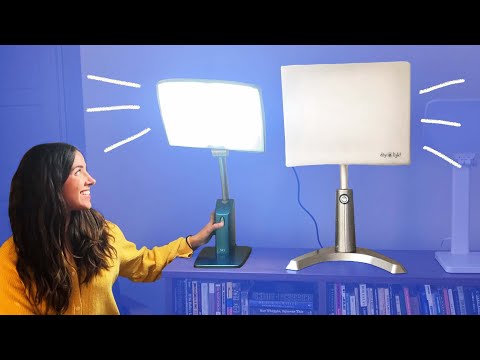
You know that feeling when winter drags on, and the sun just won’t show up? Yeah, it can be a real downer. If you’ve ever felt like you’re stuck in a gray cloud, you’re not alone.
Seasonal Affective Disorder—SAD for short—can totally mess with your mood. It’s like being in a funk that seems to stick around until spring finally decides to make an appearance.
But what if I told you there’s something you can do about it? Light therapy might just be your new best friend! The right light can really help boost your mood when the days are short and dreary.
So let’s chat about how to pick the best light for those gray days ahead. It might not be a magic wand, but hey, it’s worth exploring!
Your Guide to Choosing the Best SAD Lamp for Seasonal Affective Disorder Relief
When winter hits, and the days get shorter, it’s not just about putting on heavier jackets. A lot of folks struggle with *Seasonal Affective Disorder* (SAD), which can make you feel super low. It’s like a cloud hangs over your head, even on bright days. That’s where **SAD lamps** come in—they’re designed to help mimic natural sunlight and can really make a difference.
So, if you’re considering getting one, here are some things you should keep in mind:
- Brightness Level: Look for a lamp that has at least 10,000 lux. This brightness mimics the natural light you’d find outside on a sunny day. It’s like your own personal sunshine!
- UV Filter: Make sure the lamp has a good UV filter. You don’t want to be soaking up harmful rays while trying to brighten your mood. Look for lamps that explicitly state they’re UV-free.
- Size and Design: Think about where you’ll use it. Some people put their lamps on their desks at work or next to their couches during TV time. A bigger lamp might be nice for daily use, but if you’re short on space, smaller models can still do the trick.
- Adjustability: Some lamps let you adjust brightness levels or angles. This can help you find what feels best for you and gives you flexibility depending on how you’re feeling that day.
- Features: Consider options like timers or built-in alarms that gradually wake you up with light—like having your own personal sunrise! This might help ease those groggy winter mornings.
And here’s another thing: consistency is key! You wanna use the lamp regularly—typically about 20-30 minutes each day works wonders. Sit by it while reading or sipping your morning coffee; just make it part of your routine.
Now, picture this: there was a friend of mine named Sarah who always felt down when the seasons changed. She started using a SAD lamp every morning while she had her breakfast, and honestly? It helped her bounce back quicker than you’d think! Just having something bright around her made a huge difference in her mood.
In short, finding the right SAD lamp could be a game-changer for beating those winter blues. Pay attention to brightness and safety features before making your choice—those details really matter! You got this!
Warm vs. Cool Light: Which Is More Effective for Managing Seasonal Affective Disorder (SAD)?
So, if you’ve ever felt a bit down when winter rolls around, you’re not alone. A lot of folks struggle with that. It’s called Seasonal Affective Disorder, or SAD for short. Basically, your mood can take a nosedive because of reduced sunlight during those chilly months. One popular way people try to perk themselves up is by using light therapy, but there’s a big question that often pops up: is warm light better or is cool light the way to go?
Let’s break it down.
Warm Light usually has a cozy feel to it—think about those golden hues that resemble sunsets. People often find this type of light calming and relaxing. When you expose yourself to warm light, it can help reduce stress and promote feelings of comfort, which might be beneficial if you’re feeling anxious or tense because the weather outside isn’t so inviting.
But here’s the catch: most studies on SAD point towards cool light, like the kind you’d see in bright daylight or in offices. This blue-white spectrum mimics natural daylight more closely and has been shown to boost serotonin levels, which can really help with your mood. So when we talk about effectiveness for managing SAD, cool light often takes the crown.
Here are some key points:
The emotional rollercoaster that is SAD can feel pretty heavy sometimes; I remember chatting with a friend who had it bad last winter. She tried various approaches but found out that sitting under her bright white lamp while sipping coffee made her feel a burst of joy she hadn’t felt in months!
So basically, even if cozy warm lights have their place—like making your space feel inviting during the cold months—when it comes to fighting off those seasonal blues specifically? You might want to stick with cool lights for your therapy sessions.
What do you think? It sounds like combining both could create an awesome vibe at home while also helping tackle SAD symptoms.
Best LED Light Colors to Boost Your Mood When You’re Feeling SAD
When the days get shorter and the weather turns cold, some of us feel a little more than just chilly. That’s right, I’m talking about Seasonal Affective Disorder (SAD). It can really put a damper on your mood. One way to help combat those feelings is by using LED lights in certain colors to boost your mood. Let’s break this down.
First off, light therapy is one popular way to deal with SAD. You know how sunlight makes everything feel brighter and happier? Well, artificial light can help too. Different colors of light can affect our emotions and energy levels in unique ways.
- White Light: Bright white light is one of the most common choices for light therapy. It mimics sunlight and can help improve your overall mood. If you’ve ever walked outside on a sunny day and felt a rush of happiness, you get what I mean!
- Blue Light: This color has been shown to have energizing effects. It boosts alertness and helps fight off feelings of fatigue. Just be careful with blue light at night—it can mess with your sleep cycle.
- Yellow Light: A softer option, yellow light creates a cozy vibe that feels warm and uplifting. Think of it like wrapping yourself in a snug blanket on a cold day—it just feels good.
- Purple Light: This one might surprise you! Purple or violet light has calming properties that can reduce stress. It’s great if you want to create a chill environment after a long day.
- Pink Light: Kind of like yellow, pink provides warmth but also add a little playfulness to the mix. It’s like having cotton candy vibes in your room—it adds joy!
So, what do you choose? Well, it really depends on how you’re feeling at any given time. Maybe you need that bright white boost in the morning to kickstart your day or maybe you’re looking for some cozy yellow vibes in the evening.
To give you an idea: imagine Sarah, who struggled with feeling down each winter season. She decided to use blue LED lights during her morning routine—it helped her wake up feeling more energized! And then at night, she switched to gentle yellow lighting for her relaxation time—like calming her mind before bed.
In summary, choosing LED lights that fit your mood is all about personal preference and what works best for you in combating SAD symptoms! Each color has its own unique vibe; find what resonates with you!
So, you know how some days are just, like, super gray and gloomy? It can seriously mess with your mood. If you’ve ever felt that way, you might get what Seasonal Affective Disorder (SAD) is all about. Basically, it’s this type of depression that crops up when the days get shorter and the sunlight disappears for a while. Makes sense, right? Sunlight plays a big role in how we feel.
One way people try to cope with SAD is through light therapy. It’s kinda like tricking your brain into thinking it’s summer again! You use a special light box that mimics natural sunlight. But here’s the thing: not all lights are created equal. Some people swear by one type while others find another works better for them.
When I was talking to my friend Rachel about this, she mentioned how she got this bright white light that felt like daylight in her living room. At first, she’d sit there for just ten minutes—she said it was a game changer! But then I told her that I tried one of those fancy blue light boxes instead, and wow, I felt so energized after just a short session! It’s funny how something as simple as light can affect us so differently.
If you’re considering diving into light therapy for SAD, remember to look at things like brightness (measured in lux), size of the lamp, and color temperature too. Some people prefer the soft glow of warmer lights while others go for the bright white vibe.
It’s kind of important to choose one that’s legit good quality because you want it to make a real difference without straining your eyes or giving you headaches. And hey, don’t forget to talk to someone who knows their stuff! Your doc or therapist can help guide you toward the right choice based on your vibe.
Bottom line: finding the right light could really brighten up those dreary winter months and give you a little extra warmth when you need it most. Take it from someone who knows; even though winter can be tough sometimes, there’s always a little shimmer of hope waiting just around the corner—like sunshine after rain!