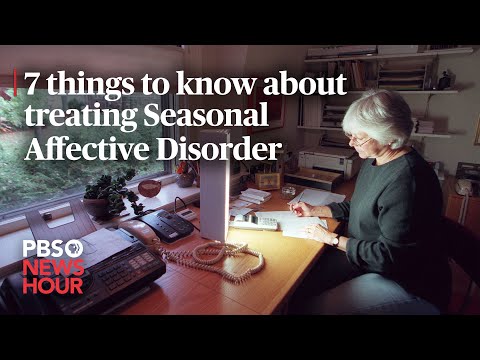
So, let’s talk about seasonal affective disorder, or SAD for short. You know, that thing where winter just hits you harder than a snowstorm, and everything feels kinda… gray? Yeah, it’s real.
It’s like when the sun decides to play hide and seek for months, leaving you in a funk. Seriously, getting through those darker months can feel like climbing a mountain sometimes.
But here’s where lighting comes into play. Not just any lighting—I’m talking about optimal lighting solutions that can really make a difference! Imagine sunlight streaming into your space, brightening your mood just like it brightens your room.
Let’s figure out how to chase those winter blues away together! Sound good?
Brighten Your Mood: The Benefits of Using a SAD Lamp for Seasonal Affective Disorder
Seasonal Affective Disorder, or SAD for short, can be a real drag. If you’ve ever felt like you’re in a funk when winter rolls around, you might just get what I mean. With shorter days and less sunlight, it seems like the whole world is just dimming down. But there’s a glimmer of hope! Enter the **SAD lamp**.
So, what’s the deal with these lamps? Basically, they mimic natural sunlight. They’re bright – like super bright! And that helps trick your brain into thinking it’s getting more daylight than it actually is. This can be a game changer for your mood!
Here are some benefits of using a SAD lamp:
- Boosts Mood: Studies show that exposure to bright light can reduce symptoms of depression linked to SAD.
- Improves Sleep: Light therapy can help regulate your sleep-wake cycle. You might sleep better at night if you use one in the morning.
- Increases Energy Levels: Feeling sluggish? That burst of light can perk you right up!
- Easier to Use: Just sit in front of the lamp for about 20-30 minutes daily and go about your routine – reading, working, or enjoying coffee.
You know, my friend Sarah tried one last winter when she felt herself slipping into that seasonal haze. She’d come home from work feeling low and just wanted to curl up on her couch. After using a SAD lamp for a few weeks in the mornings while sipping her coffee, she noticed she wasn’t dragging herself through the day anymore.
Now, using a SAD lamp isn’t magic—it’s not going to fix everything overnight—but it might help you feel more like yourself during those dreary months. Just think about how much you’ve missed out on because it’s pitch dark by 5 PM!
Also, it’s worth checking out what kind of lamp you’re getting. Look for ones that are designed specifically for treating SAD—they usually provide around **10,000 lux** of brightness without harmful UV rays.
Remember though: while these lamps can be awesome for many people dealing with SAD symptoms, they aren’t always enough alone. It’s important to consider talking to someone who gets mental health stuff if things feel really heavy.
In short, if winter’s got you feeling down and out, give that SAD lamp a shot! You might just find some much-needed brightness in those gloomy days ahead.
Understanding SAD Lights: How Much Is Too Much for Mental Health Benefits?
Seasonal Affective Disorder (SAD) is a type of depression that comes around when the days get shorter and darker. If you’ve ever felt like you’re in a funk every winter, you might be nodding your head right now. One popular way to tackle SAD is through light therapy using special lamps, often called SAD lights. But how much light is really enough? And can too much actually be harmful? Let’s chat about it.
So, what exactly are these SAD lights? They’re bright lights designed to mimic natural sunlight. Typically, they emit a color temperature between 5000 and 6500 Kelvin, which is similar to daylight. Sounds cool, huh? The idea is that by sitting near one of these lamps for about 20 to 60 minutes a day during the fall and winter months, you can help lift your mood and combat those pesky symptoms of SAD.
Now, here’s where it gets interesting: not all lamps are created equal.
That’s a measure of brightness! In comparison, regular indoor lighting usually sits at around 100 to 300 lux. You see the difference? When choosing a lamp, make sure it filters out UV light too; we don’t want to risk skin damage while trying to feel better.
But this brings us back to that big question: how much is too much? Well, studies show that more isn’t always merrier when it comes to light therapy. Some people might start feeling jittery or overly energized if they spend too long under these bright ranges—kind of like an over-caffeinated feeling! It’s not unusual for folks using lights for longer than recommended durations (like hours on end) to experience headaches or eye strain.
So what should you do? You want balance in your lighting routine. Start slow—maybe begin with just 20 minutes each morning while sipping coffee or scrolling through social media. Pay attention to how you feel afterward; if everything feels good in following days after doing this consistently, then you can attempt increasing duration slightly. But listen closely: if any negative effects pop up—like tension or trouble sleeping—reduce your exposure time!
And here’s something interesting: some research suggests that the time of day may matter too. Many experts recommend using SAD lights early in the morning since it helps set your body’s internal clock right from the start! Using them later in the day could interfere with your sleep cycle as they can trick your brain into thinking it’s still daylight outside.
In summary, while SAD lights can be incredibly beneficial for boosting mood during those dark months, finding that sweet spot takes some care and attention. Don’t jump straight into marathon sessions under bright bulbs; start small and adjust based on how you’re feeling overall. After all, your mental health deserves just as much thought as any other part of your well-being!
Top Light Therapy Devices to Combat Seasonal Affective Disorder: A Comprehensive Guide
Seasonal Affective Disorder (SAD) can really get you down, especially when the days are short and the weather is gloomy. One popular way to tackle this is with light therapy. So, what exactly is light therapy? Well, it involves using bright lights to mimic natural sunlight. The goal? Boost your mood and energy levels.
Now, let’s chat about some top light therapy devices that people often consider for easing those winter blues.
Now let me tell you about my friend Mia, who struggled with SAD for years and decided to give light therapy a shot. After getting her HappyLight, she noticed a shift in just a couple of weeks! More energy during the day made her feel more motivated to get out of bed and tackle her daily tasks.
Anyway, aside from these devices, here are a few key things to remember when considering light therapy:
So there ya go! Light therapy has been a lifesaver for many folks facing seasonal mood dips. If you’re feeling low during the winter months, you might just find that a little extra light in your life can go a long way toward brightening things up!
So, let’s chat about Seasonal Affective Disorder—SAD for short—and how lighting can really make a difference. You know the feeling; when the days get shorter and all you want to do is crawl under a blanket and hibernate? Yeah, that’s SAD for you. It sneaks in during those gloomy months and can leave you feeling pretty low, like you’re stuck in a fog.
Imagine it’s mid-January. You wake up, and it’s still dark outside. The sun barely makes an appearance during the day, if at all! I remember a friend of mine went through this last winter. She was usually vibrant and full of energy, but once December hit, she just seemed like a shadow of herself. She’d joke about wanting to move somewhere sunny—but that wasn’t realistic.
Well, here’s where lighting comes into play. Bright lights can really help lift your mood during these dreary months. It’s like giving your brain a little nudge to wake up! Light therapy boxes are super popular for this reason; they mimic sunlight and help regulate your circadian rhythms—basically getting your sleep-wake cycle back on track.
You might wonder what kind of light is the best, right? Well, look for something that’s around 10,000 lux (that’s just fancy talk for brightness). Use it first thing in the morning for about 20-30 minutes while you sip your coffee or read those emails you’ve been putting off. So simple but so effective!
And it’s not all about fancy gadgets either; just opening up those curtains and letting natural light come through can help too! You know how it feels to sit by a window on a sunny day? That warmth can really change your mood.
Of course, optimal lighting solutions aren’t just about getting enough light but also setting the right vibe at home when night rolls around. Soft lighting in the evening can create coziness without making your brain feel like it should be awake at midnight.
Anyway, if you’re struggling with SAD or know someone who is, think about how lighting might help brighten things up—literally! Sometimes it takes just a little bit of brightness to push away those dark clouds hanging over us.