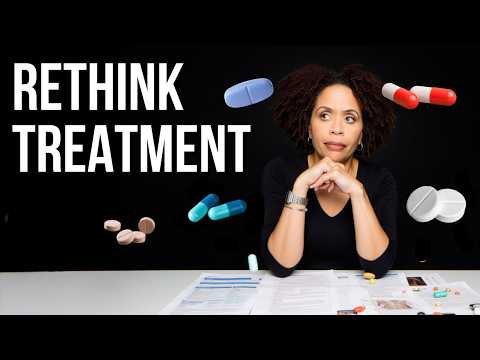
Alright, so let’s talk about ADHD. You know, that thing where your brain feels like it’s juggling a hundred thoughts at once? It can be super overwhelming.
If you or someone you know is navigating the wild world of Combined Type ADHD, you’re not alone. Seriously, it’s like a rollercoaster ride with really high highs and some pretty low lows.
What’s the deal with meds for it? They can be a game-changer. But picking the right ones can feel like searching for a needle in a haystack.
Let’s break it down together. We’ll chat about some common meds, how they work, and what to expect. Sound good? Cool, let’s get into it!
Top Medications for Managing ADHD Combined Type: A Comprehensive Guide
Managing ADHD Combined Type can be quite the journey, right? It involves a mix of impulsivity, hyperactivity, and difficulties with focus. Seriously, it can feel like trying to juggle while riding a unicycle on a tightrope! Luckily, there are medications out there that can help ease these challenges. So let’s break it down.
First off, the two main categories of medication for ADHD are **stimulants** and **non-stimulants**. Most doctors start with stimulants because they’ve been shown to work pretty well for many people. Here’s a quick look at some common options:
- Methylphenidate: This is one of the most widely prescribed. You might recognize names like Ritalin or Concerta. They typically help increase attention and decrease impulsivity.
- amphetamine-based medications: Think Adderall or Vyvanse. These also boost focus and reduce hyperactivity but can have different effects on different folks.
A lot of people notice improvements in their symptoms within a few hours after taking these meds. But hey, not everyone reacts the same way. It can take some time to find the right dosage or even try multiple medications before landing on the best one for you.
Here’s where it gets interesting! While stimulant medications are often the first go-to option, there’s also **non-stimulant** medication available if stimulants don’t do the trick or if they come with unwanted side effects.
- Atomoxetine (Strattera): This non-stimulant works differently by affecting norepinephrine levels in your brain instead of dopamine as stimulants do. It’s a good choice for those who may have issues with addiction or prefer to avoid stimulants.
- Guanfacine (Intuniv): Originally meant for high blood pressure, this med helps manage ADHD by calming down overactive brain signals.
Now it’s not just about picking a pill and calling it good. Medication should be part of a broader plan that includes therapy and lifestyle changes too—like structure at home or organizational strategies in school.
And let’s not overlook potential side effects! Some folks might experience insomnia, headaches, or even reduced appetite when taking these meds. It’s usually manageable but worth keeping an eye on.
When you’re on the hunt for what works best for you or someone you know with ADHD Combined Type, communication with your doctor is key. Keep them in the loop about what you’re feeling; they want you to find success just as much as you do!
At the end of the day, finding effective medication can be super helpful in managing ADHD symptoms. Just remember that it’s all about finding what fits your unique style—you know yourself better than anyone else!
Vyvanse vs. Concerta: Which Is More Effective for Combined Type ADHD?
When it comes to dealing with ADHD Combined Type, you might stumble upon two popular medications: Vyvanse and Concerta. Both are used to help manage symptoms like inattention, hyperactivity, and impulsivity. But how do they stack up against each other? Let’s break it down.
First off, **Vyvanse** (lisdexamfetamine) is a stimulant that works by increasing certain chemicals in the brain that help with focus and attention. One cool thing about Vyvanse is it’s a prodrug. What that means is your body has to convert it into its active form after you take it. This leads to a potentially smoother experience for many people because it peaks more gradually.
On the flip side, we’ve got **Concerta** (methylphenidate). This med also boosts those same brain chemicals but does so through a different mechanism. Concerta uses something called an osmotic-controlled release system. Basically, it releases the medication slowly over time, which can provide more consistent coverage throughout the day.
Both meds are effective for **ADHD Combined Type**, but what really matters is how they work for you personally. With Vyvanse, some users report feeling more stable throughout the day without the ups and downs sometimes seen with other stimulants. However, some folks do experience side effects like decreased appetite or sleep issues.
Concerta can be a bit easier to start with since it’s been around longer and has loads of research backing its effectiveness. But here’s where it gets tricky – some people don’t feel like they get enough control over their symptoms as the day goes on since there’s only one peak.
Here’s a little rundown of key differences:
- Duration: Vyvanse lasts about 10-14 hours, while Concerta usually covers 10-12 hours.
- Onset: Vyvanse may take longer to kick in—sometimes up to two hours—compared to Concerta.
- Side Effects: Both can cause loss of appetite or insomnia, but experiences vary from person to person.
And hey, if you’re someone who struggles with morning routines or starts feeling symptoms later in the day, Vyvanse might help keep that focus across all tasks better than Concerta could at times.
But remember this: finding what works best for you often involves trial and error. You might need to chat with your doctor about your experiences on either medication—and even consider trying both if needed—to see which fits best in your life and helps tackle those ADHD symptoms effectively.
So whether you’re leaning towards Vyvanse or Concerta—or maybe even another option—it’s super important to keep track of how you’re feeling and functioning on whichever med you choose!
Effective Strategies for Managing Combined Type ADHD: Tips for Daily Life and Success
Managing Combined Type ADHD can feel like navigating through a complex maze, where distractions pop up at every turn. But don’t worry, you’re not alone in this. With the right strategies, daily life can get a bit smoother, and you can set yourself up for success. Here’s what you need to know.
Establishing a Routine is your best friend. Consistency helps anchor your day. Think about it: if you wake up at the same time every morning and have a predictable sequence of activities, it reduces chaos. Try breaking your day into chunks—like morning, afternoon, and evening routines. Each chunk could have specific tasks to help guide you along.
Visual Aids can be super helpful too! You might want to use charts or calendars to keep track of tasks and appointments. Color-coding is an option that makes it more engaging. For example, you could use blue for work-related stuff and green for personal outings—it adds a fun twist while keeping things organized.
Another tip? Set Clear Goals. This means figuring out what you want to achieve each day or week — and keeping those goals realistic! If your goal is “finish project,” try breaking that down into smaller bits like “write introduction” or “gather research.” It makes those bigger tasks feel much less overwhelming.
Limit Distractions. This one’s crucial! Identify things that pull your focus away—like notifications on your phone or the TV running in the background—and minimize them as much as possible during work periods. Creating a “distraction-free zone” where you can really concentrate is key here.
Another effective strategy is to Use Timers. The Pomodoro technique is pretty popular: work for 25 minutes solidly, then take a 5-minute break. Something as simple as putting on some chill music during those breaks can refresh your mind and keep things light.
Don’t forget about Physical Activity. Seriously, getting some movement in can help clear mental fog and boost focus! Whether it’s a quick jog around the block or even just some stretching at home—find something that gets you moving regularly.
It’s also important to Practice Mindfulness. Taking just a few minutes each day for deep breathing or meditation can ground you when everything feels chaotic. There are plenty of apps out there that guide you through it without needing loads of time.
Finally, let’s chat about Seek Support. It’s okay to ask friends or family for help when you’re feeling stuck with managing daily tasks. And consider talking with a therapist who understands ADHD—they can offer tailored strategies just for you!
Incorporating these strategies won’t make everything perfect overnight—instead think of them like little tools in your toolkit. Use what works best for you, and don’t hesitate to tweak things along the way until it clicks! Maintaining patience with yourself is part of this journey too; it takes time but getting there? Totally worth it!
So, you know, ADHD can be a bit of a rollercoaster. If you or someone you care about has the combined type, it’s like juggling two different worlds—hyperactivity and inattention. And honestly? It can get super overwhelming at times.
I have a friend, let’s call him Jake. Jake has ADHD combined type, and I’ve seen him struggle with that back-and-forth energy. One minute, he’s bouncing off the walls with ideas for his next big project. The next moment? He can’t focus on writing an email or finishing a simple task at work. It’s like living in constant chaos but also having these brilliant moments of creativity.
Now, medications can play a pretty significant role in managing ADHD symptoms. There are mainly two categories of meds to consider: stimulants and non-stimulants. Stimulants are usually the first go-to for many folks because they can be quite effective in increasing focus and decreasing impulsivity and hyperactivity. You’ve probably heard of some of these—like Adderall or Ritalin. They work by boosting certain chemicals in the brain that help regulate mood and attention.
But here’s the thing: some people might not vibe well with stimulants due to side effects like insomnia or jitteriness—that’s where non-stimulant options come into play! Medications like Strattera could be a good fit for those who don’t respond well to stimulants or have other health concerns.
Finding the right medication is often a balancing act; what works for one may not work for another, and it can take time to tweak dosages or switch things up to get it just right. But when it does work? It’s like flipping on a light switch! You start seeing improvements in focus, organization, and even relationships because when you’re less distracted or impulsive, everything else kinda falls into place—you follow me?
And hey, while meds can be super helpful, they’re not the end-all-be-all solution. Therapy often goes hand-in-hand with medication; for instance, cognitive-behavioral therapy (CBT) can equip people with tools to manage their symptoms better without relying solely on pills.
So yeah, managing ADHD combined type effectively takes some effort—finding the right combination of medication and support is key. It’s all about figuring out what helps you feel more balanced so you can embrace that amazing creativity while keeping the chaos under control!