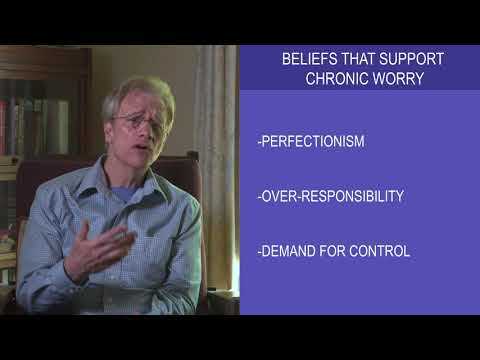
So, let’s chat about anxiety. It’s that nagging feeling that, you know, just hangs around. Like an unwanted guest at a party.
If you’ve ever felt like your brain’s running in circles, you’re not alone. Seriously, so many people get caught in that spiral of «what ifs.»
Generalized Anxiety Disorder (GAD) can feel like a heavy backpack you just can’t take off. It’s exhausting, right? But here’s the good news: there are treatments out there that actually work!
In therapy, you can find ways to manage those racing thoughts and overwhelming feelings. Let’s break down some of the effective approaches to tackle GAD together. You ready?
Effective Coping Techniques for Managing Generalized Anxiety Disorder (GAD)
So, if you’re dealing with Generalized Anxiety Disorder (GAD), you’re not alone. It can be really draining when your mind is racing with worries about everything. The thing is, there are some effective coping techniques that can help you manage those anxious feelings better. Let’s chat about a few of them.
1. Mindfulness and Meditation
This one’s super popular for a reason! Mindfulness involves paying attention to the present moment without judgment. You might find yourself sitting quietly, focusing on your breathing, or just noticing what’s around you—like the sounds or smells in your space. Meditation apps can be helpful here, guiding you through the process. A friend of mine started meditating five minutes a day and noticed her anxiety slowly melting away.
2. Physical Activity
You don’t have to hit the gym hard; just getting moving helps! Going for a walk or dancing in your living room can work wonders. Exercise releases endorphins, those little feel-good hormones that help lift your mood. Even something as simple as stretching can make a difference in how you feel.
3. Journaling
Writing down your thoughts can be super therapeutic. It gives you a chance to process everything swirling around in your head and helps put things into perspective. Maybe try doing it first thing in the morning or right before bed to clear out those anxious thoughts from your mind.
4. Breathing Techniques
You might’ve heard about deep breathing before—it’s kind of like hitting the reset button on your anxiety! Take slow, deep breaths in through your nose and out through your mouth. This calms down your nervous system and helps bring you back to a more grounded state.
5. Social Support
Reaching out to friends or family is key as well! Sharing how you feel with someone who gets it makes such a difference—you know? You don’t have to go through this alone. Just talking it out can ease some of that tension.
6. Limiting Caffeine and Alcohol
This one’s tough but worth noting! Both caffeine and alcohol may seem like they help initially but can actually ramp up anxiety levels later on! Cutting back might give you some relief from those racing thoughts.
7. Professional Help
Sometimes these strategies help, but other times we need extra support—so don’t hesitate to reach out for professional guidance if things feel overwhelming! Therapists trained in cognitive-behavioral therapy (CBT) often work well for folks dealing with GAD by helping reframe negative thoughts into more balanced ones.
In summary, managing GAD involves using various tools that resonate with you personally—whether it’s mindfulness or talking it out with a friend. And remember: it’s totally okay to ask for help along the way; you’re taking steps toward feeling better every day!
Discovering the Most Effective Treatments for Anxiety Disorders: A Comprehensive Guide
Anxiety disorders can feel like this heavy weight pressing down on you. You’re not alone, though. Lots of people deal with anxiety, especially Generalized Anxiety Disorder (GAD). Finding the right treatment can be tricky, but let’s break it down a bit.
First off, psychotherapy is often a go-to for folks dealing with GAD. This basically means talking to a therapist who helps you understand your anxiety better. One common type of therapy used is Cognitive Behavioral Therapy (CBT). CBT focuses on identifying negative thought patterns and replacing them with more positive or realistic ones. It’s all about learning to challenge those anxious thoughts and behaviors.
Then there’s exposure therapy, which is another effective method. It involves gradually exposing you to the things that make you anxious in a safe environment. This can help you learn how to manage those feelings without getting overwhelmed. It’s like slowly dipping your toes into the water instead of jumping right in.
Now, let’s chat about medications. Some people benefit from taking medications alongside therapy. Antidepressants, particularly selective serotonin reuptake inhibitors (SSRIs), are often prescribed for GAD. They work by balancing chemicals in your brain that affect mood and anxiety levels. But remember, medication isn’t a one-size-fits-all solution—it can take some time to find what works best for you.
Another crucial aspect is lifestyle changes. Seriously, small tweaks can make a big difference! Regular exercise, healthy eating, and good sleep hygiene can help reduce anxiety levels significantly. Like when I started jogging every morning—it felt like I was shedding layers of anxiety with each step!
Here are some key points about discovering effective treatments:
- Talk Therapy: Connecting with a therapist and using methods like CBT.
- Exposure Therapy: Facing fears gradually in a controlled setting.
- Medications: Considering SSRIs or other options while working closely with your doctor.
- Lifestyle Changes: Incorporating exercise and healthy habits into your daily routine.
Finally, everyone experiences anxiety differently; what works for one person might not work for another. It’s essential to keep trying until you find the right mix that clicks for you.
The thing is, don’t hesitate to reach out for support—whether it’s friends, family or professionals who get it! Anxiety may be tough to deal with but getting help doesn’t have to be an uphill battle!
Effective Strategies for Overcoming Generalized Anxiety Disorder: A Comprehensive Guide
So, dealing with Generalized Anxiety Disorder (GAD) can feel like you’re carrying around a heavy backpack filled with worries. Like, you wake up and there’s this nagging feeling that something isn’t right. It’s exhausting. But hey, let’s talk about some effective strategies to help you cope with this anxiety monster.
One of the best approaches is therapy, specifically Cognitive Behavioral Therapy (CBT). This method helps you identify those pesky thought patterns that add to your anxiety. You know the ones—like overthinking every little thing? Through CBT, you learn to challenge those thoughts and replace them with more positive or realistic ones. Imagine flipping the script in your head; it truly makes a difference.
Mindfulness is another solid strategy. It’s all about being present in the moment rather than getting lost in what might happen next week or next year. Try simple mindfulness exercises like focusing on your breath. Picture sitting quietly for just five minutes, concentrating on inhaling and exhaling without judgment—it can ground you a whole lot.
And then there’s exposure therapy, which sounds intense, but hang in there! The goal is to gradually expose yourself to the situations that make you anxious. Let’s say social gatherings freak you out—you’d start with small interactions first and work your way up. Think of it as baby steps toward owning your fears!
Don’t forget about medication options too! While I’m not here to give medical advice, know that some find relief from anxiety through medications like SSRIs or SNRIs. They can provide a bit of extra help while you’re tackling therapy techniques.
Incorporating lifestyle changes can seriously boost these strategies as well. Things like regular exercise can work wonders for managing anxiety levels—you know how just going for a walk clears your head? That’s real! Plus, paying attention to your diet—like cutting back on caffeine—can also help keep those anxious jitters at bay.
Lastly, building a support system with friends, family, or even support groups provides an amazing safety net when times get tough. Talking things out with someone who understands can be incredibly reassuring.
So remember:
- Cognitive Behavioral Therapy (CBT) helps challenge negative thought patterns.
- Mindfulness keeps you grounded in the present moment.
- Exposure therapy gradually helps face fears.
- Medication may be an option for some.
- Lifestyle changes like exercise and diet play a big role.
- A strong support system really makes a difference.
Overcoming GAD isn’t an overnight process—it takes time and effort! But using these strategies together might help lighten that backpack filled with worries little by little.
Generalized Anxiety Disorder, or GAD, can feel like you’re stuck in a constant state of worry about everything—work, relationships, health, you name it. It’s like that old record player stuck on repeat, and no matter how hard you try to change the tune, it just keeps looping the same anxious thoughts. I remember when a friend shared how she would lay awake at night, her mind racing with a million «what ifs.» It was exhausting for her!
When talking about treatments for GAD in therapy, there are some pretty effective approaches out there. One of the most popular is Cognitive Behavioral Therapy (CBT). Basically, CBT helps you identify those pesky negative thought patterns and beliefs that contribute to anxiety. You know those moments when your mind goes wild imagining all sorts of catastrophic outcomes? CBT teaches you how to challenge and reframe those thoughts—kind of like switching off that stuck record.
Another method that’s worth mentioning is Acceptance and Commitment Therapy (ACT). This one’s all about accepting your feelings instead of fighting against them. Like my friend realized during her therapy sessions: it’s okay to feel anxious sometimes. What really matters is how you respond to that anxiety. Instead of avoiding situations because they’re scary or uncomfortable, ACT helps you commit to taking action toward what truly matters to you.
Mindfulness-based techniques can also be game changers for many people with GAD. The idea here is simple: focus on the present moment. It’s super easy to get lost in worrying about tomorrow or next week, right? Mindfulness practices encourage you to ground yourself in what’s happening now—your breath, your surroundings—even if just for a few moments.
Of course, medication might also come into play for some folks struggling with GAD. Antidepressants or anti-anxiety medications can help reduce symptoms and make therapy more effective by calming the storm inside. But this path varies for each person—what works wonders for one may not suit another.
The truth is finding the right treatment often takes time and patience—you might need to try different approaches before settling on what feels right for your unique journey with anxiety. It’s kind of like dating; sometimes you have to swipe left until something feels like a good match!
What’s most important is having someone on your side as you navigate all this—a therapist who gets it and can support you through those rough patches. Just remember that there’s hope! With the right tools and support from therapy combined with self-care strategies, managing GAD becomes way more doable than it seems at first glance. So take heart; relief can be around the corner!